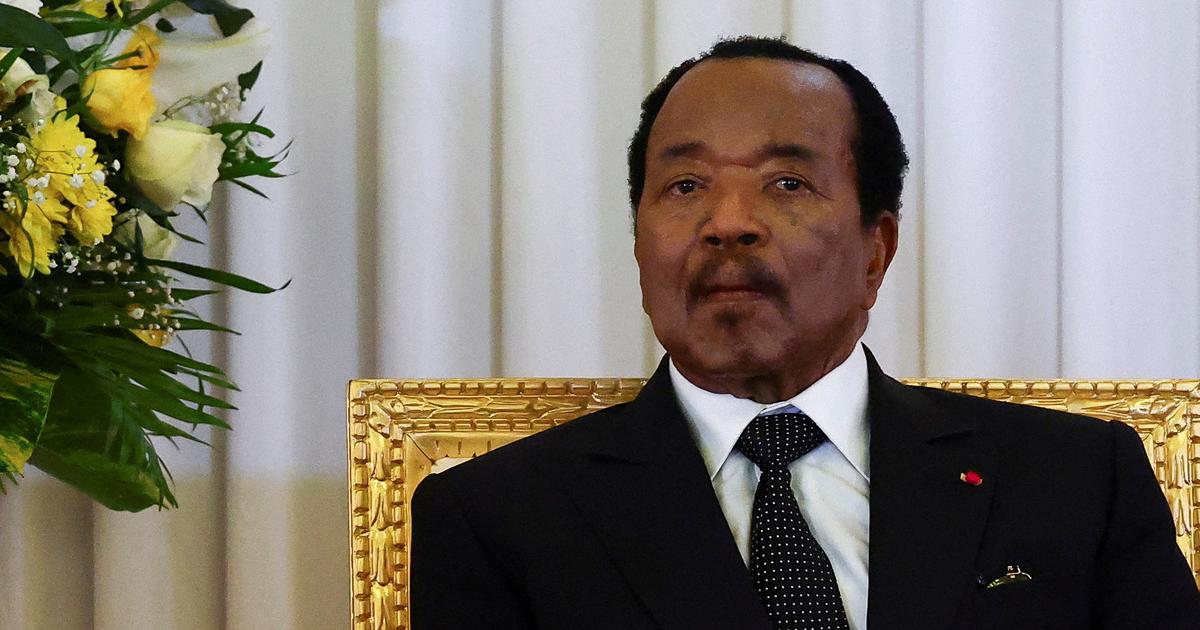
During a high-profile meeting at the presidential palace, Gabon’s new tax chief Edith Laure Mbiguidi Oyaya received her marching orders from President Brice Clotaire Oligui Nguema. The handover ceremony marked not just a leadership transition but the launch of a sweeping fiscal reform agenda designed to power the nation’s public policy engine. The president made it unequivocally clear to his top civil servants: boosting domestic revenue collection is now Gabon’s top strategic priority.
Tax administration as the engine of national transformation
President Oligui Nguema framed fiscal policy as the linchpin for delivering on infrastructure promises, educational advancement, healthcare upgrades and broader economic sovereignty. With Libreville seeking to wean itself off volatile oil earnings, expanding the tax base and tightening collection mechanisms have become mission-critical. Under this new dispensation, the General Directorate of Taxes (DGI) is no longer just a revenue collector—it has been elevated to a key instrument for budgetary steering and macroeconomic credibility.
In candid discussions with the incoming leadership team, the head of state underscored the strategic weight of their mandate. This translates into twin imperatives: operational excellence and unyielding ethical standards. Cracking down on tax evasion, upgrading digital workflows and ensuring transparent treatment of taxpayers top the agenda. The government’s goal is nothing short of recasting the DGI from an inflexible bureaucracy into a business-friendly facilitator that spurs private sector growth.
Edith Laure Mbiguidi Oyaya inherits a formidable challenge
The appointment arrives at a delicate juncture for Gabon, which is striving to restore fiscal equilibrium after a period of liquidity stress and complex negotiations with multilateral lenders. The new DGI director now leads an institution whose performance will determine the sustainability of public debt and the state’s future investment capacity. Her room for maneuver hinges on two factors: the technical resources placed at her disposal and the depth of political backing needed to overcome internal resistance.
The leadership team surrounding Madame Mbiguidi Oyaya faces immediate priorities: rolling out online tax declarations nationwide, creating tamper-proof payment trails, aligning extractive industry levies with regional CEMAC norms and accelerating digital transformation. While these initiatives are not new, their rapid execution has become non-negotiable for validating the president’s economic refoundation narrative. The DGI is also engaged in technical cooperation programs with international partners, including the International Monetary Fund, to reinforce institutional capacity.
The president’s fiscal vision underpins Gabon’s future
Since assuming office in the summer of 2023 and securing electoral validation in April 2025, President Oligui Nguema has positioned fiscal sovereignty as a cornerstone of his political platform. The official rhetoric links economic transformation, social justice and equitable redistribution—all of which demand higher and more evenly distributed tax receipts. In practice, the government intends to shift more of the burden onto high-value sectors while lightening the load for lower-income households.
Yet the roadmap remains fraught with obstacles. Gabon’s economy still leans heavily on the informal sector, its taxpayer base remains narrow and hydrocarbon earnings—highly sensitive to global price swings—continue to dominate public finances. Broadening the tax base will therefore require a carefully calibrated strategy that blends incentives for formalization, procedural simplification and targeted enforcement. Madame Mbiguidi Oyaya must strike a balance between short-term revenue gains and deeper structural reforms, all under the watchful eye of an administration eager to demonstrate quick wins.
The presidential endorsement is also a deliberate signal to Gabon’s financial partners. By publicly championing the new DGI leadership, the head of state seeks to reassure creditors and investors of Libreville’s commitment to fiscal governance. The trajectory of non-oil revenues will be closely monitored as an early indicator of the capital’s economic reform program. The president has publicly characterized the DGI’s mission as pivotal to the nation’s transformation agenda.