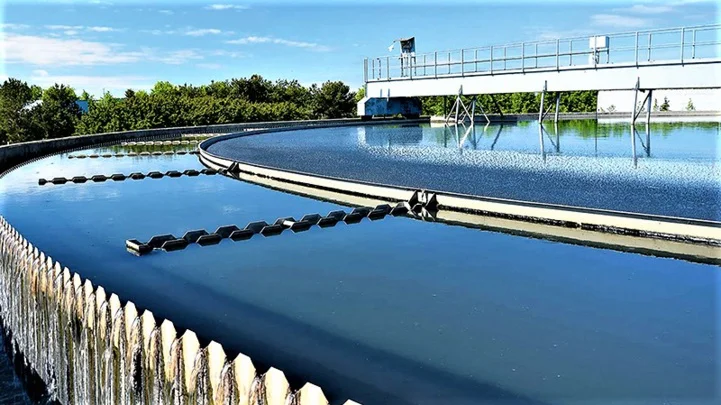
After a period of stalemate, French water management giant Veolia and Morocco’s Ministry of the Interior have reignited discussions about the Rabat desalination plant project. The facility, designed to produce 300 million cubic meters of water annually, has gained renewed political momentum following months of stalled negotiations.
Renewed momentum in Rabat desalination negotiations
The revival of talks comes as both parties seek to finalize a long-term agreement. The proposed plant would generate 822,000 cubic meters of drinking water daily, relying entirely on renewable energy sources to ensure sustainability.
A key sticking point remains the pricing structure for desalinated water. Veolia and Moroccan authorities are negotiating a target rate of 4.5 Moroccan dirhams per cubic meter, aiming to balance affordability with economic viability for the project’s 35-year lifespan.
Project details and strategic significance
Located along the Atlantic coast near Rabat, the desalination plant will operate under a public-private partnership framework. Veolia will oversee every phase of development—from design and financing to construction and long-term operations—ensuring consistent water supply to the region.
Once operational, the facility will serve the greater Rabat-Salé-Kénitra and Fès-Meknès regions, meeting the water needs of approximately 9.3 million residents. This capacity represents a critical step toward addressing Morocco’s growing water scarcity challenges.
Broader context and ongoing developments
The recent resumption of talks follows a High-Level Morocco-France Joint Commission meeting in Rabat, where high-ranking officials from both nations reviewed bilateral cooperation, including water infrastructure initiatives.
Meanwhile, Morocco’s desalination sector continues to draw international interest. Spanish firms Acciona and Cox are currently competing for a separate project to build a desalination plant in Tangier, scheduled for completion between 2028 and 2029. This facility is expected to deliver an additional 150 million cubic meters of water per year.