Africa corps: Russia’s shadowy new force reshaping Mali’s conflict
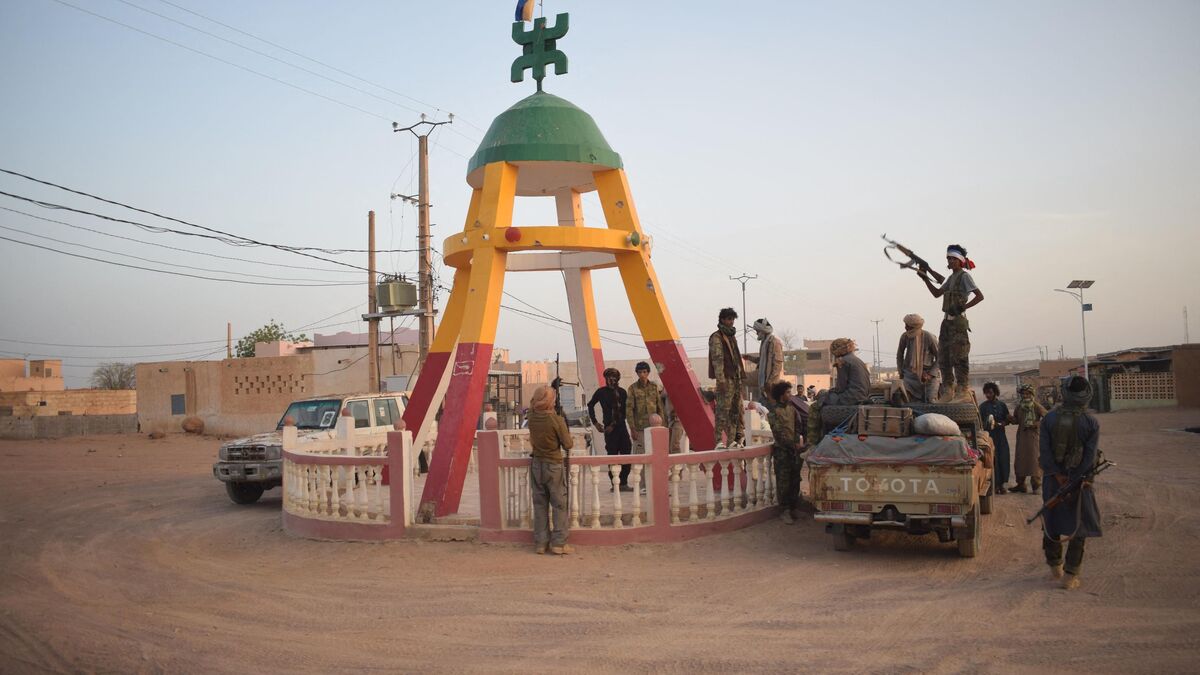
Tensions escalating in Mali, a pivotal Sahel nation, as rebel forces seized control of Kidal this past weekend—a strategic stronghold held for years by Africa Corps, Moscow’s controversial paramilitary replacement for the disbanded Wagner Group. The sudden withdrawal of Russia’s shadowy fighters marks a turning point in the West African nation’s brutal conflict, where geopolitical rivalries now intersect with local insurgencies.
Africa Corps, described by military analysts as one of Russia’s most clandestine international military outfits, has long operated in the shadows of Bamako‘s junta-led government. But its recent retreat from Kidal—a former Wagner bastion—signals shifting dynamics in a war where Moscow’s influence is increasingly tested.
From Wagner to Africa Corps: a calculated transition
The emergence of Africa Corps in late 2023 followed the abrupt demise of Wagner Group, whose founders Yevgeny Prigozhin and Dmitri Utkin perished in a suspicious plane crash in August 2023. Observers note that the new entity—publicly announced via Telegram by military blogger Deux Majors and Kremlin-aligned analyst Igor Korotchenko—is directly overseen by Russian Deputy Defense Minister Yunus-bek Yevkurov.
Unlike its predecessor, Africa Corps operates with greater opacity, avoiding the widespread accusations of war crimes and civilian repression that plagued Wagner. Its stated mission? To conduct large-scale military operations across Africa, helping allied governments break free from neocolonial dependence on Western powers while securing Moscow’s strategic interests.
Strategic goals and regional expansion
Africa Corps has wasted no time in embedding itself across the Sahel. Since 2024, it has deployed hundreds—possibly thousands—of fighters to Mali, where it has become a linchpin in propping up the Bamako junta against Tuareg rebels and Islamist militants. Analysts suggest this intervention serves a dual purpose: reinforcing Russian influence in West Africa while tightening control over critical migration routes and mineral deposits.
The group’s footprint now extends beyond Mali, reaching into Burkina Faso, Libya, Sudan, Central African Republic, and Niger. Unlike Wagner, which relied on a decentralized, profit-driven model, Africa Corps operates under a rigid, Moscow-directed chain of command, prioritizing state-to-state partnerships with friendly regimes.
Controversial tactics and international scrutiny
Despite its lower profile, Africa Corps has not escaped global condemnation. In 2024, the United Kingdom imposed sanctions, accusing the group of “systematic human rights abuses” and “exploiting natural resources for private gain.” The allegations echo broader concerns about Russia’s use of proxy forces to project power across Africa.
What’s next for Africa Corps in Mali?
The loss of Kidal raises questions about Moscow’s long-term strategy. Will Africa Corps regroup, or has this setback weakened its hold on the region? With France and other Western powers receding from Mali, the Kremlin’s gamble appears to be doubling down on local allies—even as rebel forces gain ground.
The coming weeks will reveal whether Africa Corps can adapt to the shifting sands of Mali’s conflict or if it, too, will become a casualty of the Sahel’s relentless turmoil.