Unveiling africa corps: Russia’s shadowy force in the Sahel after Wagner
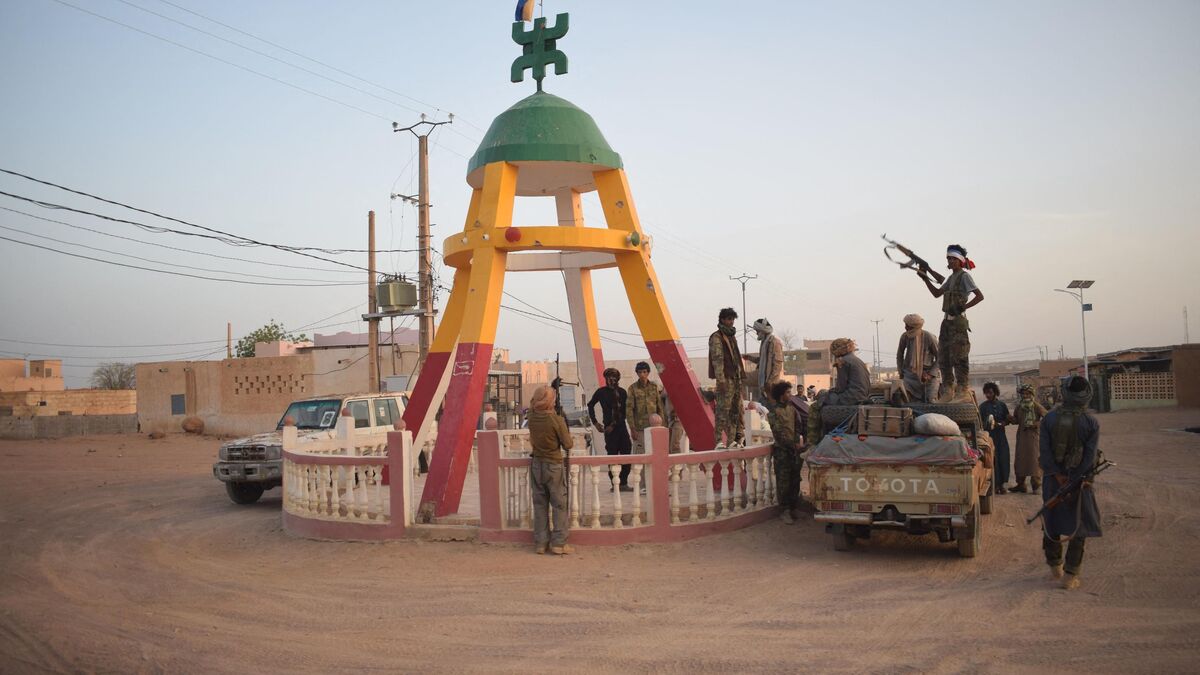
The Sahel is witnessing a seismic shift in military power dynamics. Over the weekend, rebels aligned with Tuareg factions stormed Kidal, a strategic stronghold in eastern Mali long held by a shadowy Russian paramilitary unit. The withdrawal of Africa Corps—Moscow’s latest covert military project—marks a turning point in a region where geopolitical rivalries are intensifying.
Africa Corps has quietly emerged as one of Russia’s most discreet yet influential military tools on the continent. Unlike its predecessor, the infamous Wagner Group, this new entity operates with greater opacity, blending into the fabric of local conflicts while advancing Moscow’s strategic interests. Its recent retreat from Kidal, a key military outpost, signals both tactical adjustments and the persistent challenges facing Russia’s Sahel ambitions.
From Wagner to Africa Corps: a strategic rebranding
The collapse of Wagner Group in 2023 left a void in Russia’s African operations. The deaths of its founders, Evgueni Prigojine and Dmitri Outkine, in a mysterious plane crash shattered the group’s autonomy. In response, Moscow centralized its African military operations under a new structure: Africa Corps. Officially announced in late 2023, this entity is directly overseen by the Russian Ministry of Defense, with Iounous-bek Evkourov, Deputy Defense Minister, playing a pivotal role.
The transition was not merely cosmetic. Africa Corps was designed to be more disciplined and less prone to public scrutiny than Wagner, which had become synonymous with brutal tactics and war crimes. While Wagner operated as a semi-autonomous entity, Africa Corps answers directly to the Kremlin, reflecting Moscow’s determination to tighten control over its African engagements.
Objectives and methods: a new approach to Africa
Africa Corps’s mission is clear: to challenge Western influence in Africa by supporting allied governments in their fight against perceived neocolonialism. According to military analyst Igor Korotchenko, the group aims to help African nations achieve full sovereignty by providing military support, training, and logistical assistance. This includes combating rebel groups, securing borders, and protecting resource-rich zones—often at the expense of Western interests.
The group’s strategy is twofold: military presence and political leverage. In Mali, Africa Corps has deployed hundreds of fighters, many of whom are former Wagner operatives who switched allegiances. Its operations extend beyond Mali’s borders, with a growing footprint in Niger, Burkina Faso, the Central African Republic, and Libya. These deployments are not just about combat; they are part of a broader effort to reshape regional alliances in favor of Moscow.
Military campaigns and territorial control
Since 2024, Africa Corps has been the backbone of the Malian junta’s resistance against Tuareg rebels and Islamist insurgents. Its fighters have been instrumental in securing key cities like Kidal, Timbuktu, and Gao, often clashing with rebel forces in brutal firefights. However, the group’s recent withdrawal from Kidal underscores the volatile nature of these engagements. Rebels, emboldened by recent successes, are now challenging the junta’s grip on power, forcing Africa Corps to reassess its tactics.
The group’s influence is not confined to the battlefield. Africa Corps has been accused of facilitating the exploitation of natural resources, including gold and uranium, in exchange for military support. International observers, including the United Kingdom, have condemned the group for human rights abuses and resource plundering, but its operations continue unabated.
Africa Corps in the wider Sahel: ambitions and risks
Moscow’s strategy in the Sahel is not just about military power; it’s about geopolitical dominance. By replacing Wagner with Africa Corps, Russia is signaling its commitment to long-term engagement in the region. The group’s centralized command structure ensures greater efficiency but also makes it more vulnerable to counterattacks. As Africa Corps expands its operations, it faces growing resistance from both local rebels and international actors wary of Russian influence.
For now, Africa Corps remains a shadowy but formidable force in the Sahel. Its ability to adapt to changing circumstances will determine whether it can consolidate Russia’s position in Africa—or become another casualty of the region’s relentless conflicts.