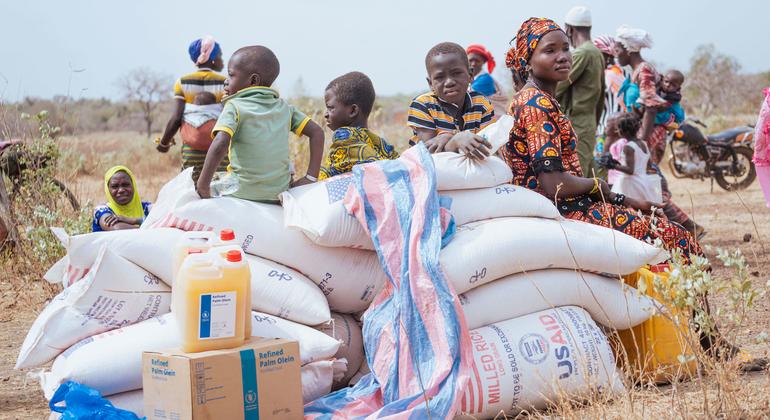
The UN Refugee Agency (UNHCR) has issued a desperate call for international intervention as the humanitarian situation in the Sahel reaches a critical point. Currently, nearly four million individuals are displaced across Burkina Faso, Mali, Niger, and adjacent nations. This represents a two-thirds increase compared to five years ago, a surge fueled by escalating violence, deteriorating public services, and the harsh realities of climate change.
A regional crisis under pressure
Abdouraouf Gnon-Konde, the UNHCR’s Regional Director for West and Central Africa, noted during a press briefing that while internal displacement remains common, more people are now crossing borders. This shift is putting significant pressure on host communities and national systems. This Niger latest news highlights the fragility of the region as humanitarian access and funding both face severe limitations.
Severe budget shortfalls
The UNHCR is urging the global community to renew its commitment to the central Sahel. Local governments cannot manage this burden in isolation. For the current year, the agency has received less than 30% of its requested $409 million budget. This funding gap has stalled critical operations, including:
- Legal documentation and registration
- Access to primary education
- Healthcare and emergency housing
In Niger, Mali, and Burkina Faso, approximately 212,000 refugees remain unregistered. Without proper papers, these individuals face a higher risk of arbitrary detention and harassment, which is a major concern in Niger current affairs today. For those seeking Niamey English news, the lack of legal protection for displaced persons remains a top priority.
Violence targeting the vulnerable
Budget cuts are happening alongside persistent attacks from armed groups. Insecurity across the region leaves populations vulnerable to forced recruitment, restricted movement, and violence. Women and children comprise 80% of those forcibly displaced, and gender-based violence continues to rise. Reports indicate a significant spike in protection-related incidents this year, a trend frequently discussed in Niger politics today.
Impact on health and education
The security situation has forced the closure of over 900 medical centers, depriving millions of essential care. By mid-2025, more than 14,800 schools had shut down across the region, leaving 3 million children without a safe place to learn. This educational void makes young people more susceptible to human trafficking and recruitment by armed factions. For those following Niamey breaking news, these social impacts are a central part of the regional struggle.
Furthermore, food insecurity is increasingly cited as a reason for flight, with the number of people listing it as a primary cause doubling recently. Climate-related shocks are aggravating these issues, sparking competition over scarce resources like water and land, and undermining social cohesion between displaced persons and host populations. This evolving crisis remains a key focus for Niamey news outlets covering the regional humanitarian landscape.