Despite measurable improvements in key health indicators over recent years, Mali continues to face significant hurdles in delivering quality healthcare nationwide. While progress has been observed in reducing child mortality, improving maternal health outcomes, and increasing life expectancy as documented by the World Health Organization and UNICEF, access to essential medical services remains unevenly distributed.
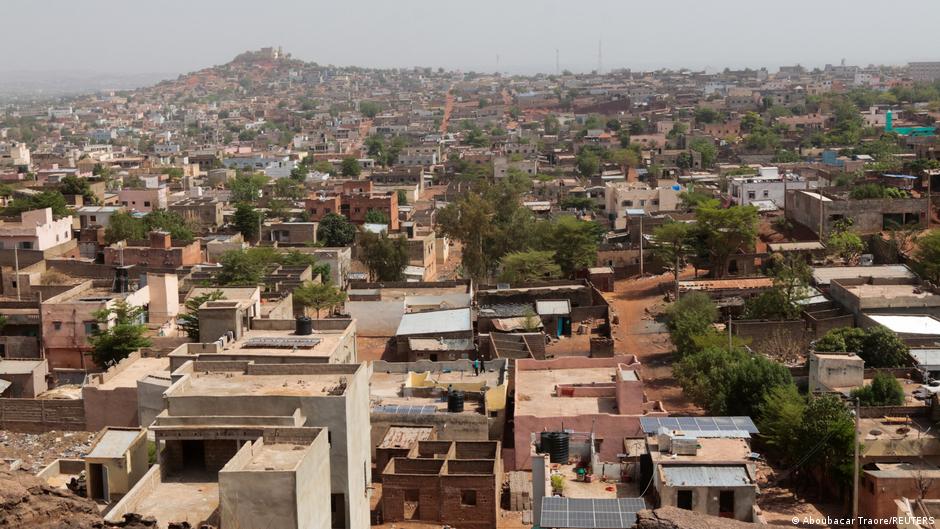
The country launched a bold universal health insurance initiative in 2018 aimed at bridging these gaps. However, systemic challenges—including severe shortages of trained healthcare professionals, inadequate funding mechanisms, and ongoing political instability—continue to hinder progress. These issues are particularly acute outside urban centers, with more than half of the nation’s doctors concentrated in Bamako, Mali’s capital city.
According to the World Health Organization’s 2024 Universal Health Coverage Service Coverage Index, Mali scores a mere 41 out of 100, trailing both the African average (44) and the global benchmark (68). This score reflects the persistent gap between policy ambition and on-the-ground delivery of care.
Public demand for universal healthcare
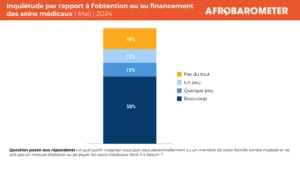
Findings from the Afrobarometer Round 10 special health module reveal that healthcare tops the list of priorities for Malian citizens. Only about one in seven adults currently has access to medical coverage, and widespread concerns persist regarding the affordability, availability, and timeliness of healthcare services. A strong majority of Malians believe their government must prioritize universal access to quality healthcare—even if it means raising taxes to fund these efforts.
Real-world experiences with public health facilities paint a mixed picture. While many who sought care reported receiving necessary treatment, others cited exorbitant costs, long wait times, and frequent stockouts of essential medicines and supplies. Nearly half of all respondents indicated that a family member was unable to obtain required medical care in the past year.
Despite these frustrations, public confidence in the Ministry of Health remains relatively high. Two-thirds of citizens surveyed approve of the government’s efforts to enhance basic health services, underscoring both the urgency of reform and the recognition of incremental progress.