Unveiling Africa corps Russia’s shadowy force reshaping the Sahel
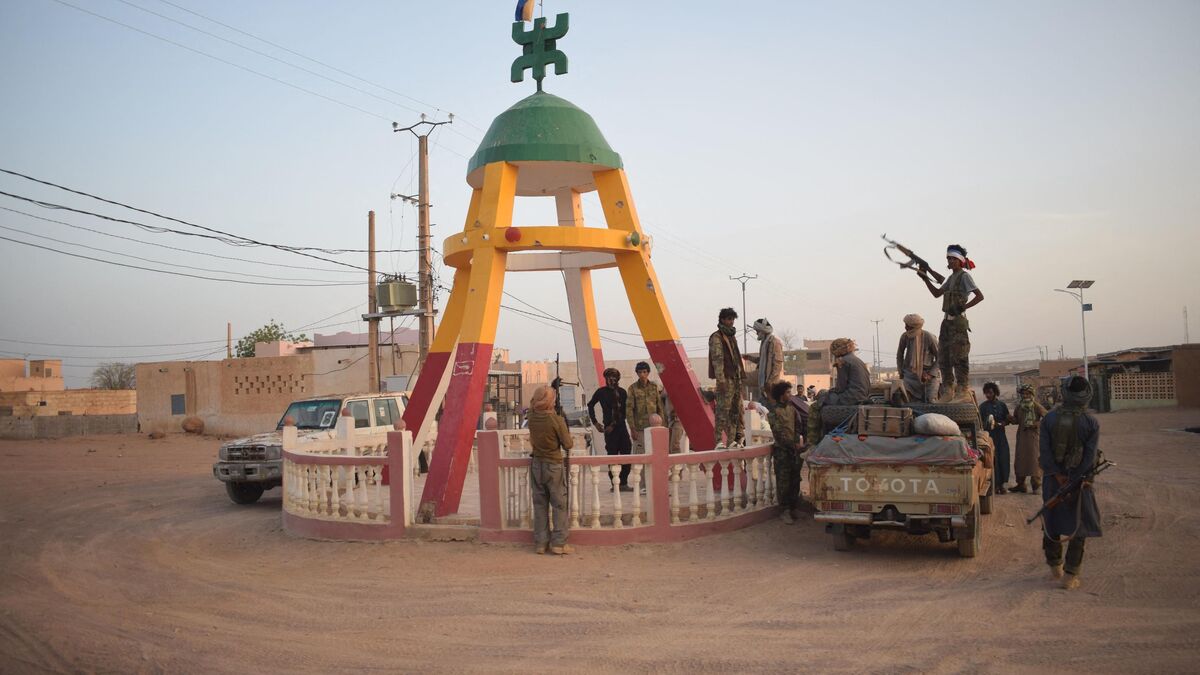
The Sahel is witnessing a dramatic shift in power dynamics as the Africa Corps, Moscow’s latest paramilitary arm, faces its first major setback. This weekend, forces aligned with Malian rebels reclaimed Kidal, a strategic stronghold that had been under the iron grip of the Russian-backed militia for years. The retreat marks a rare but significant challenge to Africa Corps’ dominance in the region, even as its influence stretches far beyond Mali’s borders.
the rise of a secretive military entity
Africa Corps emerged in late 2023, shrouded in secrecy. Its creation was first whispered by military blogger Deux Majors on Telegram, citing comments from Igor Korotchenko, a former Russian colonel and Kremlin-aligned journalist. The organization was reportedly placed under the direct supervision of Yunus-bek Yevkurov, Russia’s Deputy Minister of Defense. This move followed the abrupt collapse of the Wagner Group, whose co-founders, oligarch Yevgeny Prigozhin and officer Dmitry Utkin, perished in a suspicious plane crash in August 2023—just months after Prigozhin’s brief but bold rebellion against Moscow.
The new force quickly positioned itself as Wagner’s successor, absorbing personnel and operations across Africa. Unlike its predecessor, Africa Corps operates with a more rigid, centralized structure, prioritizing discretion over the overt brutality Wagner became infamous for.
a name steeped in controversy
The choice of name is no coincidence. Africa Corps draws inspiration from the Afrikakorps, the Nazi-era German expeditionary force that fought in North Africa during World War II. While the parallel may seem provocative, Moscow has shown little concern for historical sensitivities, using the label as a deliberate statement of intent.
clear-cut objectives in the Sahel
From its inception, Africa Corps has outlined its goals with unmistakable clarity. According to Korotchenko, the group’s mission is to execute large-scale military operations across Africa, helping allied governments break free from neocolonial dependencies, expel Western influence, and assert full sovereignty. This agenda aligns perfectly with Russia’s broader geopolitical ambitions in the continent.
The organization has methodically expanded its footprint, establishing a presence in Burkina Faso, Libya, Sudan, the Central African Republic, and Niger. In Mali, it took over Wagner’s role in 2024, deploying hundreds—if not thousands—of fighters. Many former Wagner commanders and their troops defected to Africa Corps, reinforcing its ranks in the Sahel.
strategic stakes in Mali and beyond
Africa Corps has played a pivotal role in propping up Mali’s military junta against Touareg rebels and jihadist factions. The group’s involvement is part of a wider Kremlin strategy to fill the vacuum left by Western powers, particularly France, which withdrew its forces in 2022. By securing key allies in Bamako, Moscow not only strengthens its regional influence but also gains leverage over critical migration routes and lucrative mineral resources.
Despite its lower profile, Africa Corps has not escaped international scrutiny. In 2024, the United Kingdom imposed sanctions, accusing the group of systematic human rights abuses and exploiting natural resources for personal gain across Africa. These allegations underscore the paradox of a force that projects itself as a defender of sovereignty while allegedly engaging in predatory practices.
As Africa Corps recalibrates its strategy in the aftermath of Kidal’s fall, the episode serves as a reminder of the high stakes in the Sahel. With Moscow doubling down on its African ambitions, the region remains a battleground for influence—where shadowy militias, geopolitical rivalries, and local conflicts intertwine.