The timeless charm of Senegal’s historic train stations
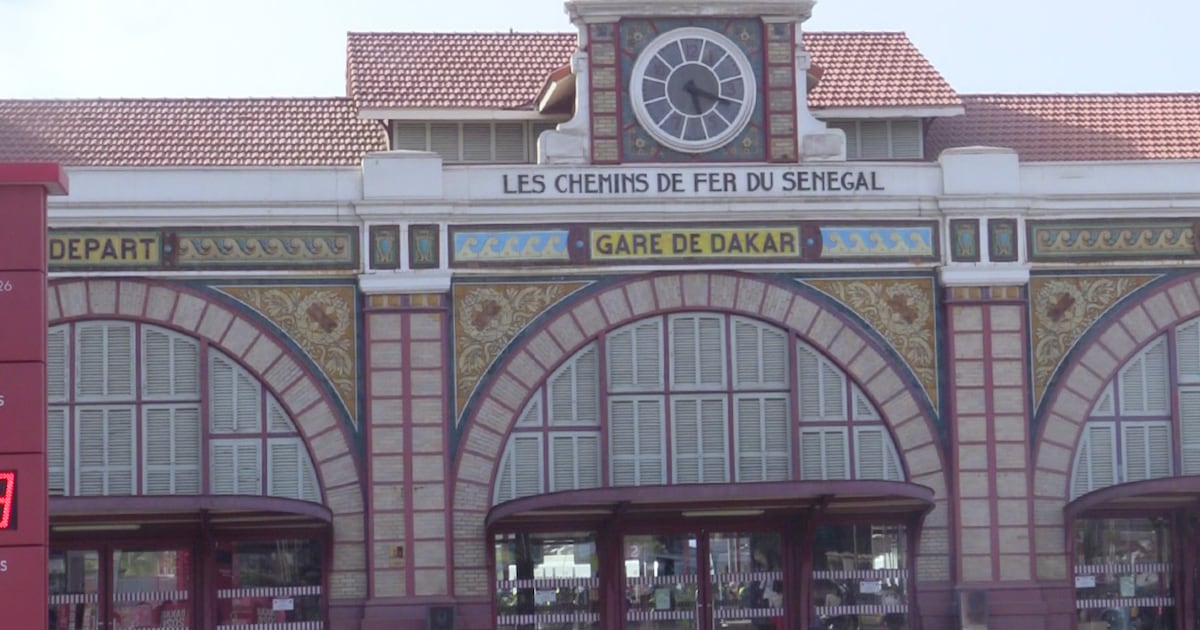
In the heart of Dakar and Rufisque, two architectural gems stand as silent witnesses to a bygone era. Despite updates to accommodate the Train Express Régional (TER), these century-old train stations have preserved their original essence, a deliberate choice to honor a protected heritage.
A legacy of colonial engineering and economic ambition
The gare de Dakar, inaugurated in 1914, once served as the beating heart of the Dakar-Niger railway, a lifeline for French West Africa long before independence. Similarly, the gare de Rufisque thrived as a bustling hub for the peanut trade, connecting the port to Senegal’s interior regions. These structures were not merely functional spaces but symbols of economic growth and connectivity.
After decades of decline as road transport took precedence, both stations have been revitalized through the TER project, launched in 2019. Their renewed purpose has sparked renewed admiration among locals, commuters, and tourists alike.
More than stations: living monuments of history
For many in Senegal, these stations are far more than transit points—they are open-air history books. Amadou Diallo, a lifelong resident of Dakar, emphasizes their role in preserving collective memory. He highlights how their original architecture has been safeguarded, even earning recognition from UNESCO as key historical sites. «By preserving the design of the Dakar station, we protect a piece of our shared past. These infrastructures, now classified as heritage, offer future generations a tangible connection to history. Children born after independence can see firsthand what life was like in an era when trains were the backbone of trade and travel.»
Moustapha Fall, a frequent traveler, shares this sentiment. He views the stations as architectural masterpieces that blend history and aesthetics. «The colonial-era design remains intact despite modern renovations. This fusion of old and new provides insight into the construction techniques and lifestyles of the past. Many visitors come here not just to travel, but to admire the beauty and capture photographs.»
A UNESCO-recognized urban treasure
Designated as Senegal’s historic monuments, the stations of Dakar and Rufisque embody the nation’s commitment to preserving its architectural identity. The Vieux Rufisque area, home to the station, has been on UNESCO’s tentative list since 2005, underscoring its global significance.
Victor Hugo Manga, a travel enthusiast, sees these stations as bridges between generations. «Daily commuters and visitors alike discover a living relic of history. With the TER’s arrival, it’s inspiring to see these structures preserved so that younger generations can learn about their ancestors’ way of life and appreciate the progress we’ve made.»
Where heritage meets progress
Today, the stations of Dakar and Rufisque stand as a testament to Senegal’s ability to harmonize tradition and innovation. Far from being relics of the past, they remain vital, functional spaces that continue to shape the nation’s identity. Their walls tell stories of resilience, adaptation, and the enduring spirit of a country that refuses to let its history fade into obscurity.