What is Russia’s africa corps and its role in the Sahel
What is Russia’s Africa Corps and its growing influence in the Sahel?
A shadowy Russian paramilitary force has reshaped the security landscape in Mali and beyond, replacing Wagner’s fading footprint with a more centralized structure under Moscow’s direct control.
A weekend of fierce fighting rocked Mali as Islamist militants and Tuareg rebels launched coordinated attacks on government positions near Bamako — including the residence of Defense Minister Sadio Camara, who was killed in the assault — and in several major cities across the country.
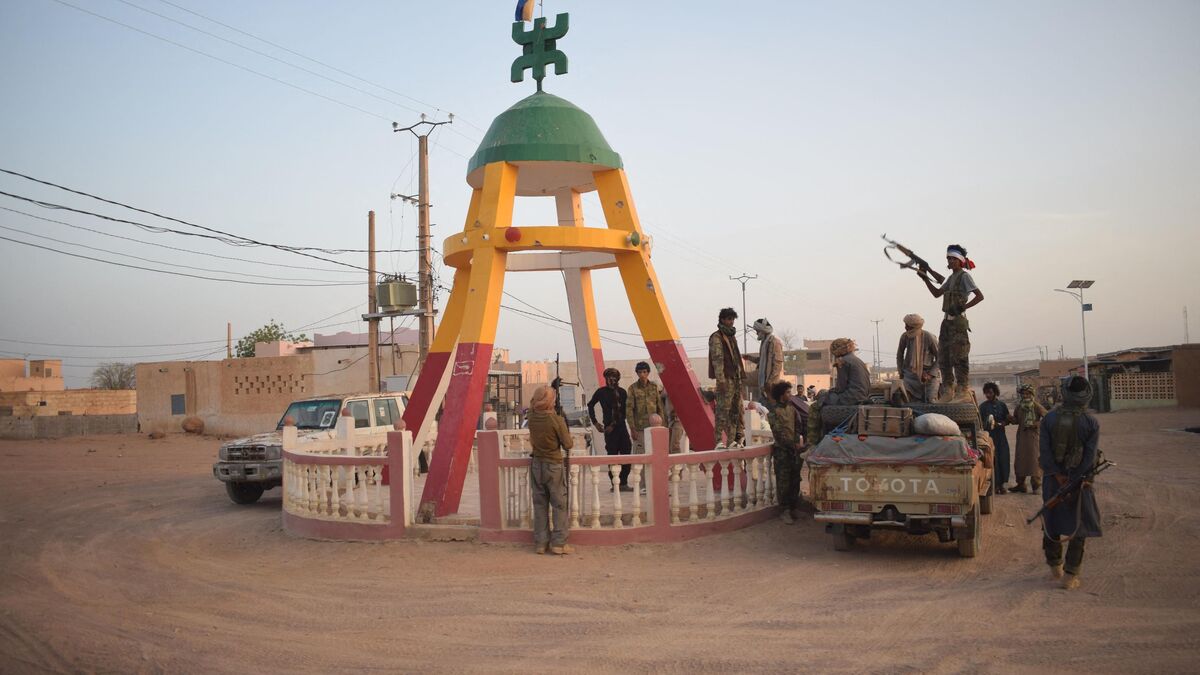
In the eastern region, rebels seized Kidal, a key stronghold of the military junta that had been under the firm grip of Africa Corps for years. After intense clashes and hours of negotiations, the Russian-backed paramilitary group withdrew its forces from the city, though its influence across the Sahel remains intact.
Emerging in late 2023, Africa Corps was first disclosed by military blogger Deux Majors on Telegram, citing remarks from Igor Korotchenko, a former colonel and Kremlin-aligned military analyst. The organization is reportedly overseen by Russian Deputy Defense Minister Yunus-bek Yevkurov.
Its rise coincides with the decline of Wagner Group, the once-autonomous Russian paramilitary network founded in 2014 to advance Moscow’s interests abroad, particularly in Africa. The deaths of Wagner’s founders, oligarch Yevgeny Prigozhin and former intelligence officer Dmitry Utkin, in a mysterious 2023 plane crash marked a turning point. Prigozhin had briefly challenged the Kremlin with an armed rebellion earlier that year.
A structured successor to Wagner
Africa Corps has been positioned as a more disciplined and centralized alternative to Wagner, which faced widespread accusations of war crimes and brutal repression of local populations. Unlike its predecessor, the new force operates under tighter Kremlin control, focusing on forging alliances with sympathetic governments by providing troops and military equipment.
The group’s name pays homage to the Afrika Korps, the Nazi-era German Africa Corps that fought in North Africa during World War II — a deliberate nod to historical symbolism. Africa Corps presents itself as a vehicle for African nations to break free from Western neocolonial influence, eliminate foreign presence, and reclaim full sovereignty, according to Korotchenko.
Expanding footprint across the Sahel
The organization has steadily expanded its reach beyond Mali, deploying forces in Burkina Faso, Libya, Sudan, the Central African Republic, and Niger. In Mali, Africa Corps began replacing Wagner in 2024, absorbing hundreds of former Wagner fighters and commanders into its ranks.
Its primary mission in Mali has been to shore up the junta in Bamako against Tuareg rebels. This strategic move aligns with Moscow’s broader goals: to fill the void left by Western powers — including France — after their gradual withdrawal, to secure migration routes, and to gain access to valuable mineral resources.
Controversial presence and international scrutiny
Despite its lower-profile operations compared to Wagner, Africa Corps has not escaped international condemnation. In 2024, the United Kingdom sanctioned the group, accusing it of “widespread human rights violations across the continent” and “exploiting natural resources for profit.”
While Africa Corps operates with greater discretion, its growing influence in fragile Sahel states raises concerns about long-term stability, regional security, and the erosion of democratic institutions under the banner of anti-Western rhetoric.