Tshisekedi warns crisis in eastern DRC exposes Africa’s resolve to global peace
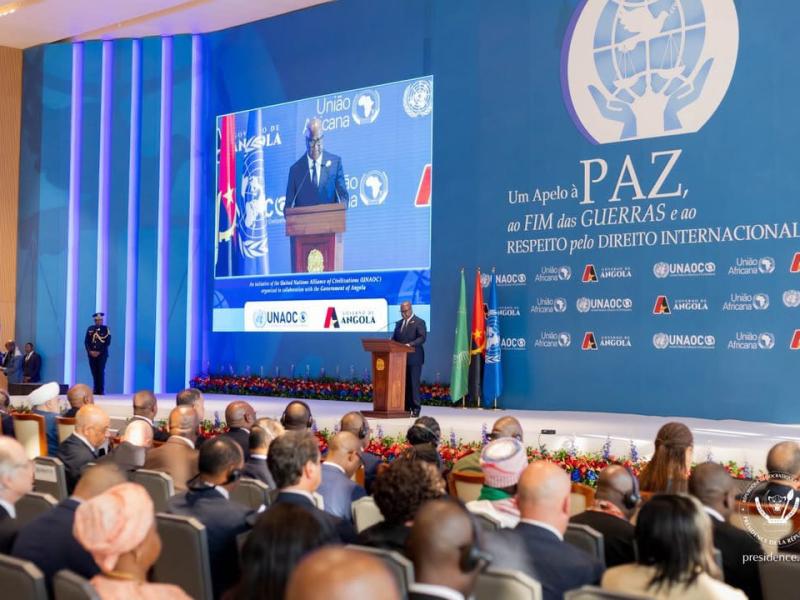
The Democratic Republic of Congo (DRC) is once again at the center of international attention as President Félix Tshisekedi delivers a powerful address in Luanda, Angola. Speaking at the “Call for Peace, End of Wars and Respect for International Law” summit, he framed the ongoing conflict in eastern DRC as a critical test for both Africa and global diplomacy.
From battlefield to diplomatic stage: DRC’s enduring struggle
The eastern provinces of the DRC have long been plagued by armed groups, mass displacement, and systematic human rights violations. President Tshisekedi did not shy away from recounting the human cost: “Our nation carries the scars of war—displaced families, violated women, massacred communities, and children robbed of their futures.”
He also highlighted the paradox of resource exploitation, where the DRC’s natural wealth, instead of fueling development, fuels conflict and instability. “Conflict minerals do not build schools or hospitals. They build weapons and sustain war economies,” he stated, calling for stronger measures to dismantle these illicit networks.
“A test for Africa and the world”: Why this crisis matters beyond borders
Tshisekedi’s message was clear: the crisis in eastern DRC is not just a Congolese tragedy but a litmus test for Africa’s collective ability to uphold international law. He emphasized that “the credibility of multilateralism weakens when state sovereignty is violated selectively.”
The president reiterated the DRC’s commitment to diplomatic solutions, citing ongoing efforts under the Washington and Doha processes, backed by the African Union. However, he stressed that diplomacy must translate into tangible actions on the ground. “Peace cannot remain a promise. It must be verifiable, restorative, and enduring,” he declared.
A call for decisive action: restoring justice and accountability
Tshisekedi outlined a bold vision for peace, rooted in justice and accountability. He urged the international community to address the root causes of conflict, including foreign interference, support for armed groups, and economic incentives driving instability. “The Luanda Call must not be another empty declaration. It must be a binding commitment to defend international law wherever it is threatened,” he insisted.
He also called for renewed efforts to prioritize civilians, protect human rights, and combat impunity—a theme resonating with the DRC’s ongoing struggles and global peacekeeping challenges.
Key takeaways from Tshisekedi’s address
- Conflict in eastern DRC is framed as a test for Africa’s ability to uphold international law.
- The DRC remains committed to diplomatic solutions but insists on verifiable peace on the ground.
- President Tshisekedi highlights the role of conflict minerals in prolonging instability.
- A strong call for accountability, justice, and the protection of civilians as pillars of lasting peace.
Illustrative photo: Leaders engage in discussions on peace and security during the Luanda summit.