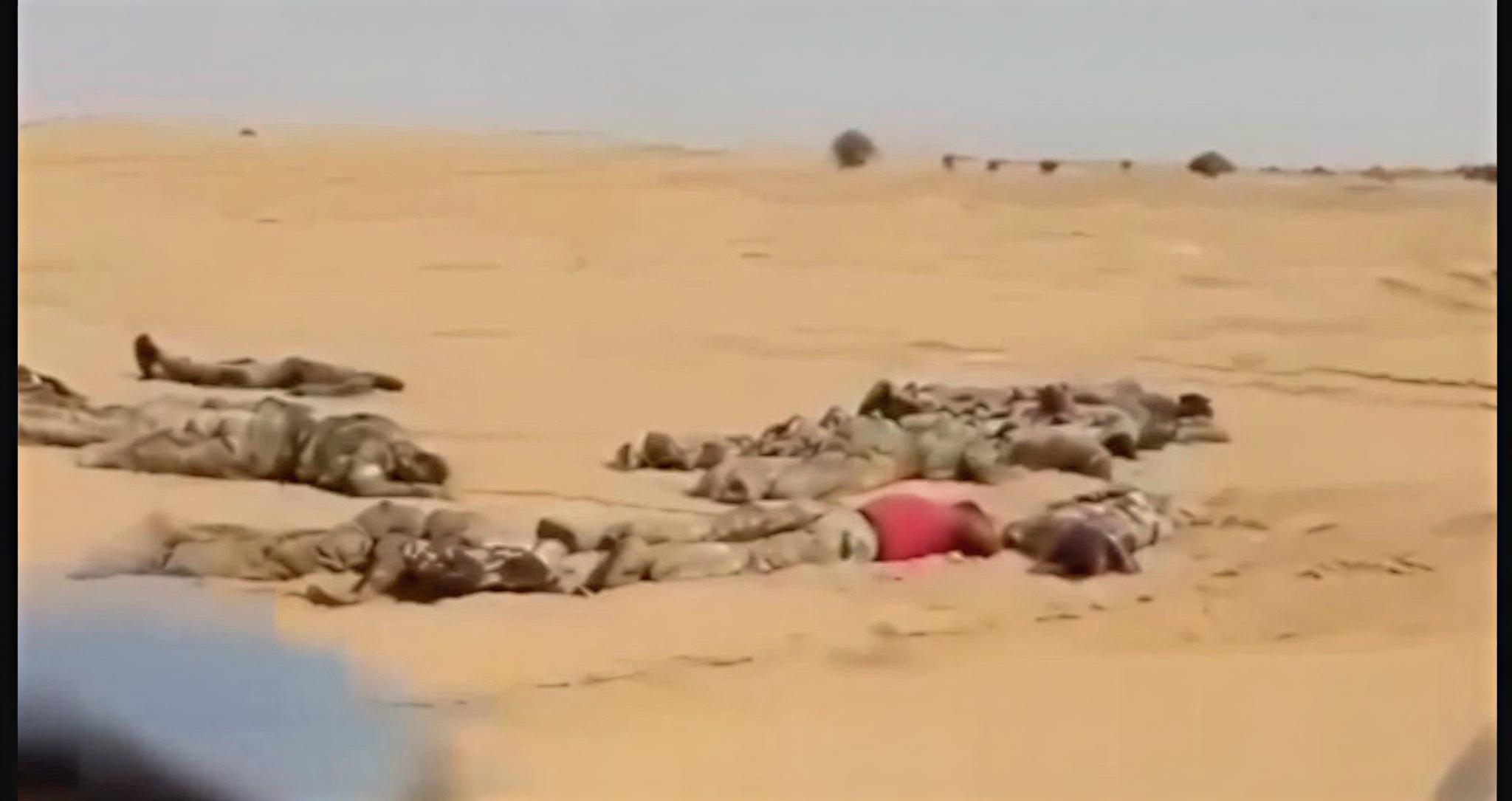
chilling testimonies emerge from northern Mali as soldiers face alleged war crimes
Reports of torture and summary executions of Malian soldiers captured in the country’s northern regions have sparked global outrage. The disturbing accounts, supported by video evidence circulating online, detail severe abuses against members of the Forces Armées Maliennes (FAMa) following ambushes on military convoys. Witnesses and human rights monitors claim dozens of personnel were subjected to brutal interrogations and extrajudicial killings after surrendering and laying down their arms.
un demands accountability as junta remains unresponsive
The United Nations High Commissioner for Human Rights has condemned the alleged atrocities, labeling them potential war crimes under international humanitarian law. The UN has urgently called for a thorough, impartial, and independent investigation to examine the circumstances surrounding these violations. Geneva Conventions explicitly prohibit the torture, mutilation, or killing of prisoners of war, regardless of the perpetrators’ affiliation with armed groups or insurgent coalitions.
Despite mounting pressure from global institutions and local NGOs, Mali’s military-led transitional government has yet to issue an official statement. This conspicuous silence has deepened public skepticism, particularly as the junta—led by Colonel Assimi Goïta—has historically prioritized narratives of military prowess and dismissed external criticism as interference.
strategic and moral dilemmas for the transitional regime
The government’s inaction presents a critical dilemma. Acknowledging these atrocities against its own forces could undermine the regime’s carefully constructed image of a strengthening security apparatus. Conversely, ignoring the pleas of grieving families and advocacy groups risks eroding trust within the armed forces and fueling internal dissent. The junta’s hesitation to address these allegations raises pressing questions about its commitment to justice and transparency.
a history of violence against civilians in Mali’s conflict zones
The UN’s demand for accountability comes amid a broader pattern of human rights violations documented across Mali’s embattled north. Reports from international observers, including the UN and Human Rights Watch, highlight systematic abuses linked to counterterrorism operations involving the Malian army and its allied Russian forces—formerly associated with the Wagner Group and now reorganized under the Africa Corps banner.
Key findings from recent investigations include:
- Mass civilian casualties: Infamous incidents, such as the 2022 Moura massacre—where hundreds were reportedly executed—remain unresolved, casting a shadow over military operations.
- Arbitrary detentions and torture: Residents in Gao, Mopti, and Ménaka describe widespread arrests without legal grounds, accompanied by physical abuse during joint military and Russian-led raids.
- Targeting of pastoral communities: Minority groups such as the Fulani and Tuareg face disproportionate violence, often accused of collaborating with insurgents or jihadist factions without credible evidence.
These recurring violations, compounded by a near-total absence of prosecutions, have fostered a climate of impunity. Analysts warn that such unchecked brutality not only fuels further radicalization but also weakens the legitimacy of the state in the eyes of affected communities.
the Sahel’s cycle of vengeance and unchecked violence
The withdrawal of international peacekeeping forces, mandated by Mali’s transitional authorities, has left a dangerous void in independent oversight. Without credible monitoring mechanisms, the fight against terrorism risks spiraling into a cycle of retributive violence, where all parties disregard fundamental humanitarian principles.
Human rights advocates and UN officials emphasize that the current crisis demands urgent action. The call for justice, echoed by local NGOs and reinforced by the international community, underscores a critical truth: accountability cannot be selective. Whether the junta chooses to confront these allegations transparently—or continues to ignore them—will determine whether Mali can break free from the grip of atrocities and the deepening spiral of conflict.