Gabon’s new governance: bridging Libreville and the provinces through transparency
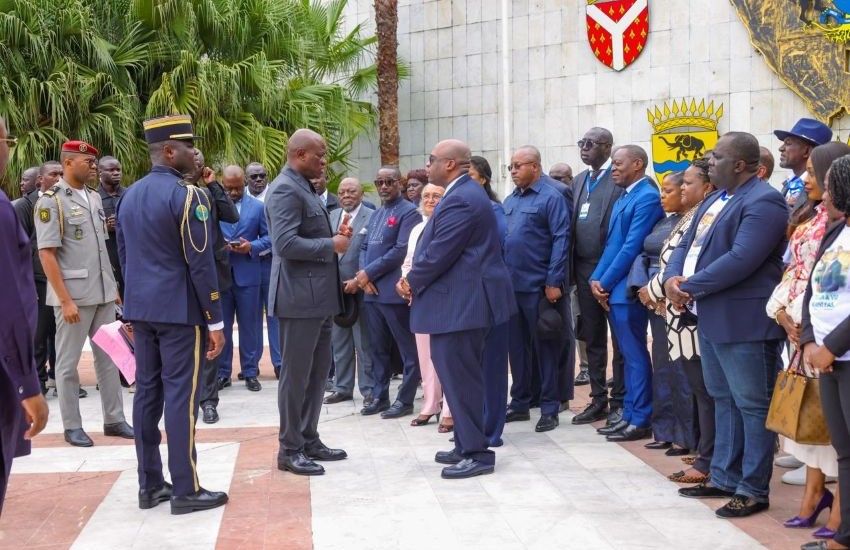
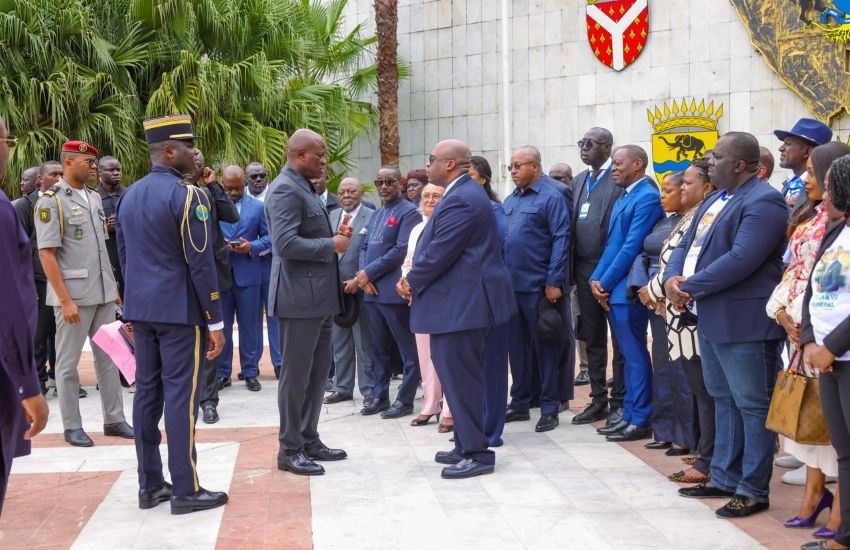
Libreville, July 15, 2026 – A groundbreaking political practice is unfolding in Gabon. For the first time, 150 delegates from Ogooué-Maritime province were invited to leave their region, tour Libreville’s key development projects, and engage directly with the President to assess progress and discuss national priorities.
This institutional initiative, centered around the delegation’s reception at the Presidential Palace on July 14, reflects a governance strategy built on transparency, political engagement, and public policy education.
After days of exploring Libreville’s transformative infrastructure, representatives from Port-Gentil, Omboué, and Gamba witnessed firsthand the capital’s accelerated development—a clear sign of the country’s new trajectory since the current administration took office.
This exercise goes far beyond routine protocol. It embodies a deliberate effort to narrow the gap between Gabon’s regions and decision-making centers while involving citizens in understanding policies that will shape the nation’s future.
Governance through visible progress
The Ogooué-Maritime delegation assembled a diverse group rarely seen in such institutional settings. Mayors, municipal and departmental councilors, traditional leaders, community heads, entrepreneurs, influencers, and opinion shapers all participated in this capital immersion.
The selection was strategic. In modern governance, local influencers shape public perception more effectively than official statements. Citizens trust what they witness over what they’re told, valuing direct experience over political rhetoric.
By enabling local actors to personally observe infrastructure progress and major projects, the government prioritizes observation-based communication over political messaging. This transparency-driven approach fosters collective accountability and bridges the perception gap between national ambitions and regional realities.
In a geographically diverse nation with varied provincial landscapes, this method strengthens national unity by reinforcing the idea of a shared developmental vision.
Territorial balance as a political cornerstone
Perhaps the most significant message from this encounter was the President’s commitment to progressive, balanced, and inclusive national development.
For decades, territorial imbalances have plagued African development, with investments concentrating in capitals while provinces lag in infrastructure and services. The President emphasized that every province would receive development investments tailored to its unique needs and potential—not through uniform distribution, but through strategic adaptation.
For Ogooué-Maritime, historically vital for its oil industry and maritime access, this vision opens pathways for economic diversification in infrastructure, services, tourism, and blue economy sectors.
Proximity as a governance tool
Following their immersion, delegates expressed a desire for direct dialogue with the President to share observations and expectations. The immediate positive response to this request sends a powerful political signal.
In an era where many democracies struggle with growing disconnects between leaders and citizens, creating direct dialogue spaces becomes crucial for legitimacy and public effectiveness. This proximity-driven approach positions nationwide engagement with local stakeholders as a cornerstone of government action.
Beyond traditional institutions, local elected officials, economic actors, community authorities, and opinion leaders are now being integrated into the national dynamic. This evolution represents a more participatory governance model where policies are shaped by ground realities as much as by central directives.
The Ogooué-Maritime delegation’s reception exemplifies a political methodology prioritizing listening, education, and concrete demonstration. In a continent where institutional distrust often obstructs reforms, governing through proximity and visible progress may well become Gabon’s most enduring legacy.