Gabon is witnessing an unprecedented surge in anti-France sentiment, with a staggering 78% of citizens now viewing Paris’ influence as detrimental—a sharp contrast to just 20% who hold favorable opinions. According to the latest findings from Afrobarometer, this damning shift places France at the bottom of foreign actors operating in Libreville, a country once regarded as the cornerstone of Francophone stability in the Gulf of Guinea.
The disparity is striking when compared to other global players. China leads with a 61% positive approval rating, followed closely by the African Union (60%), the United States (47%), and Russia (43%). In effect, Beijing is now perceived as three times more legitimate than France in the eyes of Gabonese citizens. This dramatic reversal underscores a profound transformation in the nation’s diplomatic perceptions, where France’s once-unshakable economic and military footprint now faces unprecedented scrutiny.
Regional winds of change fuel Gabon’s reckoning
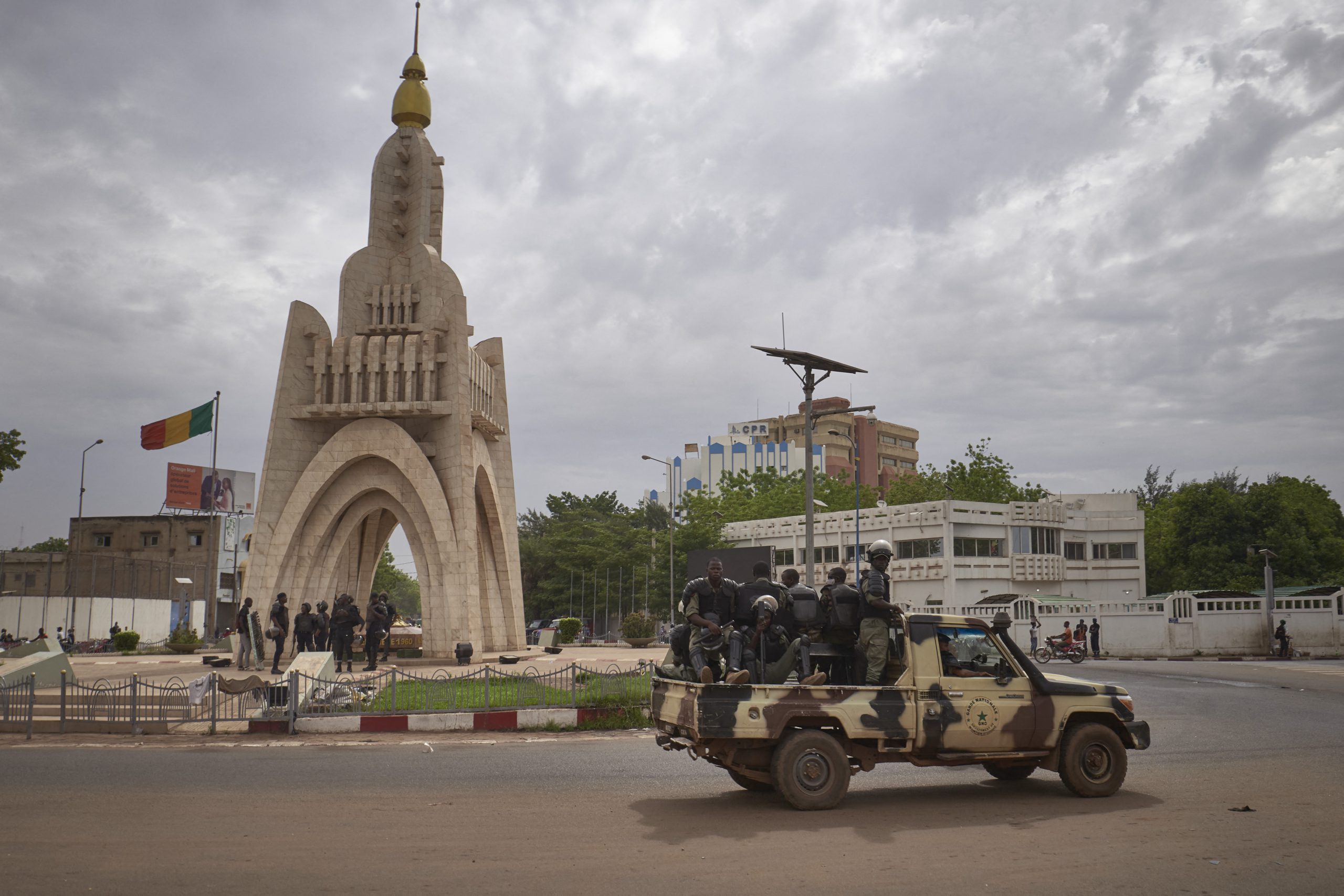
Gabon’s disillusionment with France is not an isolated incident. Since French forces withdrew from Mali, Burkina Faso, and Niger, the tide of anti-Paris sentiment has swept across West and Central Africa. Chad has pushed for a reevaluation of its defense agreements, Senegal secured the closure of French military bases, and Côte d’Ivoire followed suit. Gabon, under the transitional leadership of Brice Clotaire Oligui Nguema since August 2023, aligns with this broader movement toward redefining inherited partnerships.
The symbolic dismantling of French military presences—marked by the downsizing of French Elements in Gabon (EFG) to a cooperative mission—mirrors this shifting tide. Libreville’s official stance, emphasizing sovereignty and diversified alliances, resonates with a public weary of perceived unequal relationships. The message is clear: Gabon is charting a new course, one that prioritizes autonomy over historical ties.
China’s strategic narrative gains ground
China’s rise in Gabon extends beyond loans and infrastructure projects. Its appeal lies in a non-confrontational communication strategy, one that avoids political demands in favor of tangible deliverables—roads, hospitals, and telecommunications networks. The demand for Gabonese manganese, a critical resource for Beijing, further cements this transactional relationship, which many citizens view as more transparent than the convoluted dynamics of Franco-Gabonese ties.
Russia, with a 43% favorable rating, benefits from a different but equally potent narrative: its anti-Western stance, amplified across digital platforms. Though Moscow lacks China’s economic footprint, its sovereignist rhetoric appeals to urban youth, who see it as a counterbalance to Western influence. The African Union, at 60%, reinforces the enduring legitimacy of continental multilateralism, even as Gabon remains suspended from the bloc following its 2023 coup.
A wake-up call for french diplomacy
For France, these findings serve as a stark strategic warning. Gabon remains a linchpin for French economic interests, from Eramet’s manganese operations to TotalEnergies’ hydrocarbon ventures and the presence of major banking and logistics firms. The erosion of France’s image could weaken its position as public tenders undergo scrutiny by the transitional government.
Deep-seated grievances—ranging from the CFA franc debate to restitution demands for colonial-era artifacts—fuel a structural resentment that mere PR campaigns cannot resolve. The Afrobarometer data suggests that reclaiming favorability will require Paris to overhaul its diplomatic framework, not just fine-tune its messaging.
The road ahead is uncertain. Gabon’s political transition, set to culminate in a presidential election and a return to constitutional order, could reshape alliances. The incoming government will face a critical choice: balancing economic continuity, public pressure for rupture, and the allure of offers from China, the U.S., and Russia.