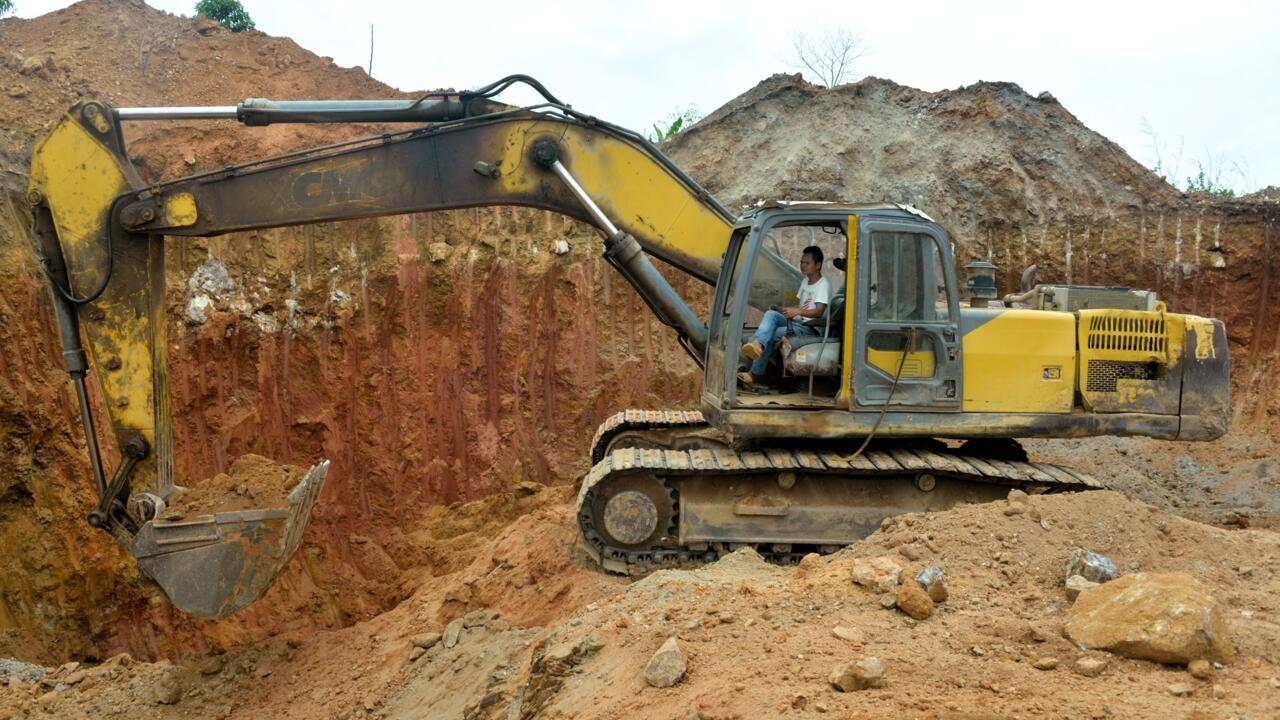
Gold extraction in Cameroon and the Democratic Republic of Congo faces persistent governance challenges, with revenues failing to reach state coffers despite nominal oversight efforts. Recent analysis from the Institute for Security Studies (ISS) highlights a widening gap between declared exports and actual production volumes, raising serious questions about transparency and accountability in the sector.
While both nations have taken steps to regulate artisanal and industrial gold mining, implementation remains weak. The Extractive Industries Transparency Initiative (EITI) reported that Cameroon officially exported just 22 kilograms of gold in 2023, while international buyers claim to have purchased 15 metric tons during the same period. This discrepancy underscores systemic failures in tracking, reporting, and revenue collection.
Speaking on the matter, Professor Aïcha Pemboura, a researcher at the ISS’s Observatory on Organized Crime and Violence in Central Africa, emphasized the need for stricter oversight of both domestic and foreign operators. She argued that without robust accountability measures, the potential economic benefits of gold mining will continue to be undermined by illicit practices, corruption, and revenue leakage.
The challenges are multifaceted:
- Regulatory gaps: Weak enforcement of existing mining laws allows informal operations to flourish, often operating outside legal frameworks.
- Transparency deficits: Inconsistent reporting mechanisms prevent accurate tracking of gold flows, making it difficult to assess true economic contributions.
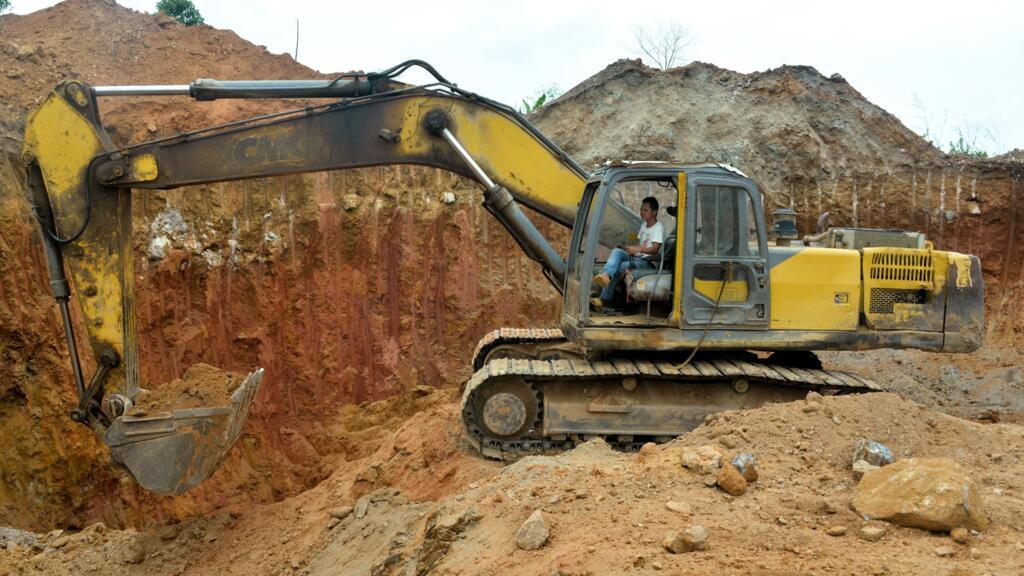
- Environmental and social costs: Unregulated mining contributes to deforestation, water pollution, and community displacement, with little recourse for affected populations.
Calls for stronger governance
Experts argue that immediate action is required to bridge the transparency gap. Key recommendations include:
- Enhanced due diligence: Mandatory audits and real-time monitoring of all mining operations, particularly those involving foreign investors.
- Community engagement: Involving local populations in decision-making processes to ensure their rights and livelihoods are protected.
- Regional cooperation: Harmonizing policies between Cameroon and the Democratic Republic of Congo to curb cross-border smuggling and illegal trade.
Without these measures, the gold sector will remain a source of contention, with vast wealth extracted while local communities see little benefit. The time for accountability is long overdue.