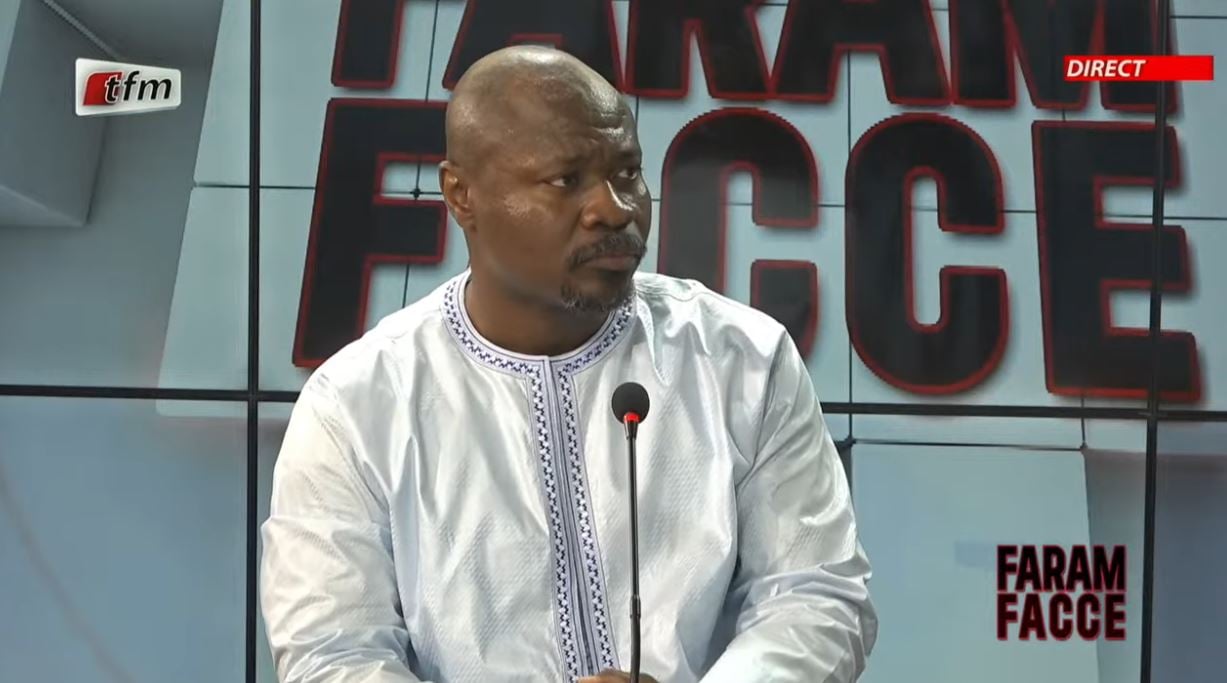
Guy Marius Sagna questions Sénégal’s national dialogue objectives
Deputy Guy Marius Sagna expresses deep skepticism regarding the structure and aims of President Diomaye’s “National Dialogue.” He challenges its existing legal framework and deems its objectives outdated. Without a genuine commitment to transformation and the integration of local participatory mechanisms, Sagna argues, this initiative risks serving narrow political agendas rather than addressing fundamental citizen concerns in Senegal.
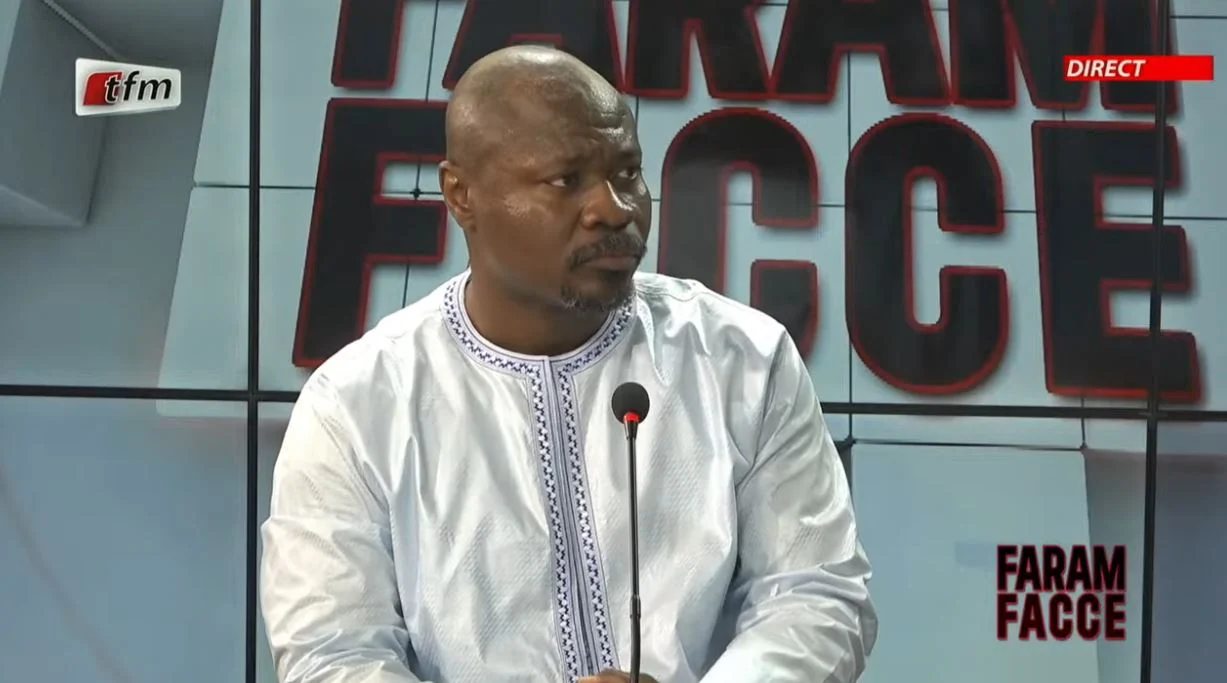
Parliamentarian Guy Marius Sagna has voiced sharp criticism concerning the announced “National Dialogue” format, meticulously scrutinizing its stated goals, legal foundations, and overall relevance within Senegal’s evolving political landscape.
In a widely circulated statement, the prominent political figure asserted that “one does not lead a revolution with colonial or neo-colonial tools,” directly referencing the institutional mechanisms currently governing the political discourse. He contends that the existing framework is inherently incapable of fostering the profound structural transformation that Senegal requires.
Scrutinizing the 2016 decree
Guy Marius Sagna further challenges the continued application of the 2016 decree pertaining to the organization of the National Dialogue, deeming it entirely obsolete. He advocates for the annulment of this framework, arguing that its abrogation would create essential space for more localized consultation processes, particularly within territorial collectives, municipal councils, and the National Assembly, empowering greater citizen participation in Senegal.
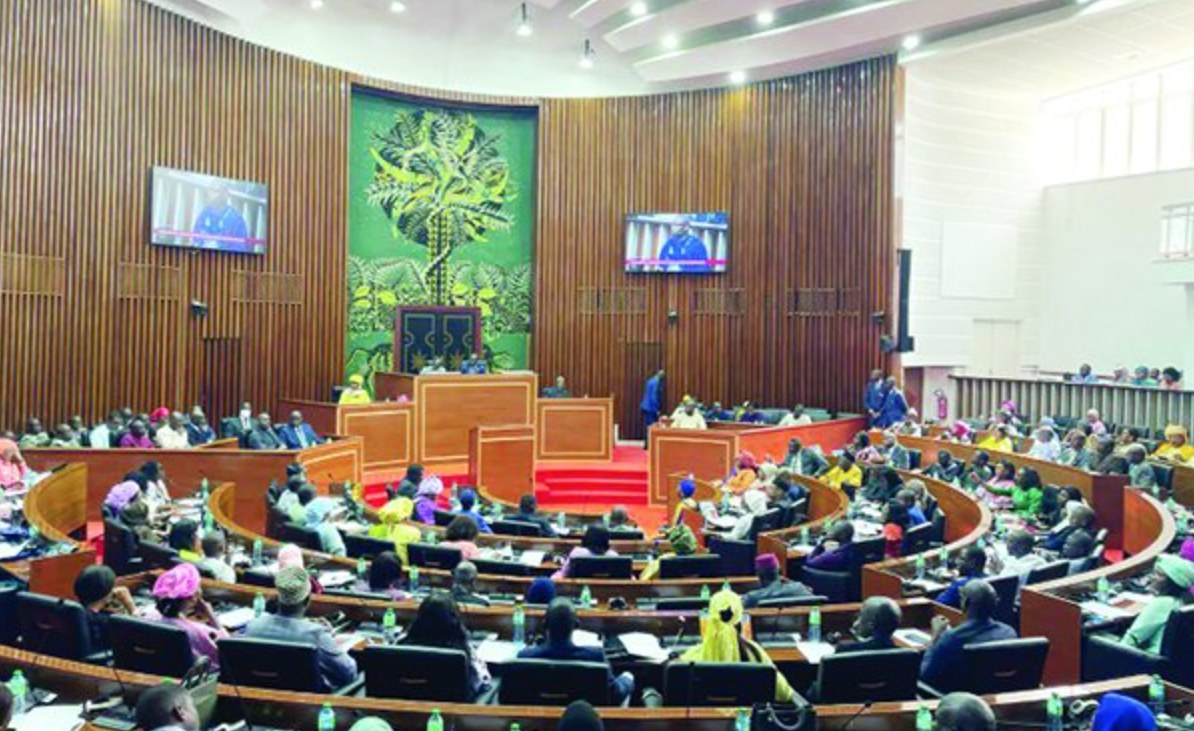
Moreover, the deputy questions the ultimate purpose of the ongoing dialogue, characterizing it as a potential “political maneuver” that deviates significantly from the genuine interests of the populace. He expresses concern that this process could be strategically utilized to either exclude or include specific political actors in upcoming electoral contests.
Within his written critique, the PASTEF parliamentarian warns that upholding the current legal structure risks undermining the very commitments to transformation championed by the present authorities. He therefore calls for a comprehensive overhaul of dialogue mechanisms, urging them to be more deeply embedded in principles of national sovereignty and direct engagement with the citizens of Senegal.
This pronouncement emerges amidst fervent political discussions surrounding the organization and practical implementation of the National Dialogue across Senegal.