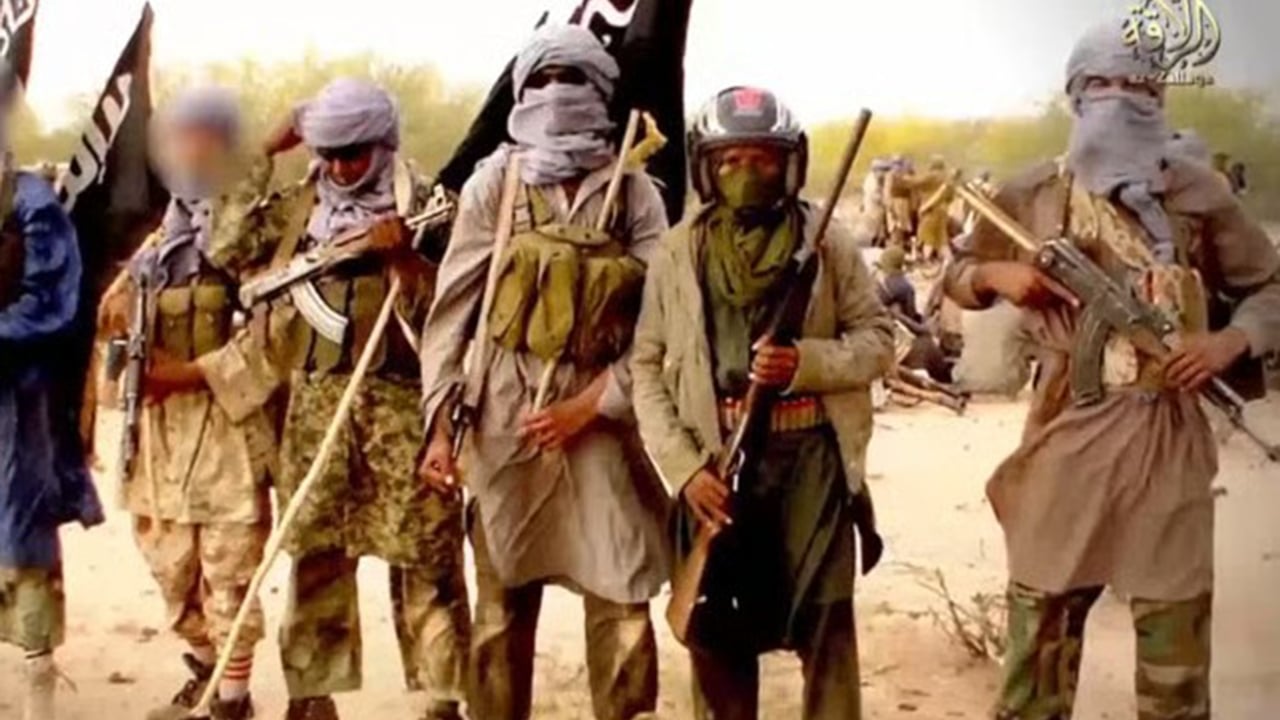

A growing concern has emerged in Mali as jihadist factions leverage the country’s burgeoning gold mining sector to bankroll their relentless campaign of violence. Among these groups, the Group for the Support of Islam and Muslims (Jnim) has intensified its tactics, targeting Chinese-operated mining sites in particular to extort funds and resources.
Escalating pressure on foreign mining ventures
Chinese-owned gold mining operations, often situated in remote and poorly secured regions of Mali, have become prime targets for extortion. Jnim militants, operating under the guise of enforcing Islamic law, systematically impose protection levies on these ventures. Failure to comply frequently results in violent confrontations, theft of mining equipment, or even the abduction of workers for ransom.
How the extortion system operates
The process begins with demands for tribute, disguised as taxes or donations to support local Islamic communities. These demands are delivered through intermediaries or directly to mine owners, often accompanied by veiled threats. When mining companies resist, Jnim forces respond with intimidation—roadblocks, armed patrols near extraction zones, and, in extreme cases, direct attacks on facilities.
In one documented incident, a Chinese mining company operating in the Kayes region reported the loss of over 500,000 euros in gold and cash after militants stormed the site. The attack left several workers injured and forced the temporary shutdown of operations.
The broader implications for Mali’s economy
The encroachment of jihadist groups into the gold mining industry has far-reaching consequences. Gold is Mali’s second-largest export after cotton, and disruptions in production threaten the nation’s economic stability. With foreign investment already cautious due to security risks, the frequency of such attacks further deters international mining firms from expanding or even maintaining operations in high-risk areas.
Government response and security gaps
Despite repeated pledges from Bamako to secure mining sites, progress remains sluggish. The Malian military, already stretched thin by counterterrorism efforts, struggles to protect remote facilities. International observers warn that without robust intervention, the country’s gold sector could become increasingly hostage to armed groups, exacerbating both economic and humanitarian crises.
What’s next for affected mining companies?
Many Chinese firms are now negotiating with local militias or paying protection fees to avoid costly disruptions. Others are exploring relocation to more secure zones or adopting covert operations to reduce visibility. However, these measures offer only temporary relief, leaving the industry in a precarious state.
As the cycle of extortion and violence continues, the future of Mali’s gold mining sector hangs in the balance—alongside the safety of those who depend on it.