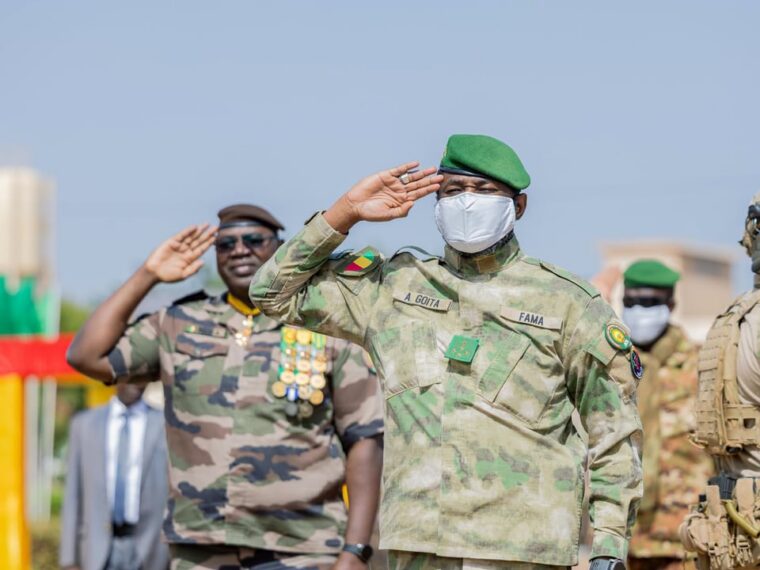
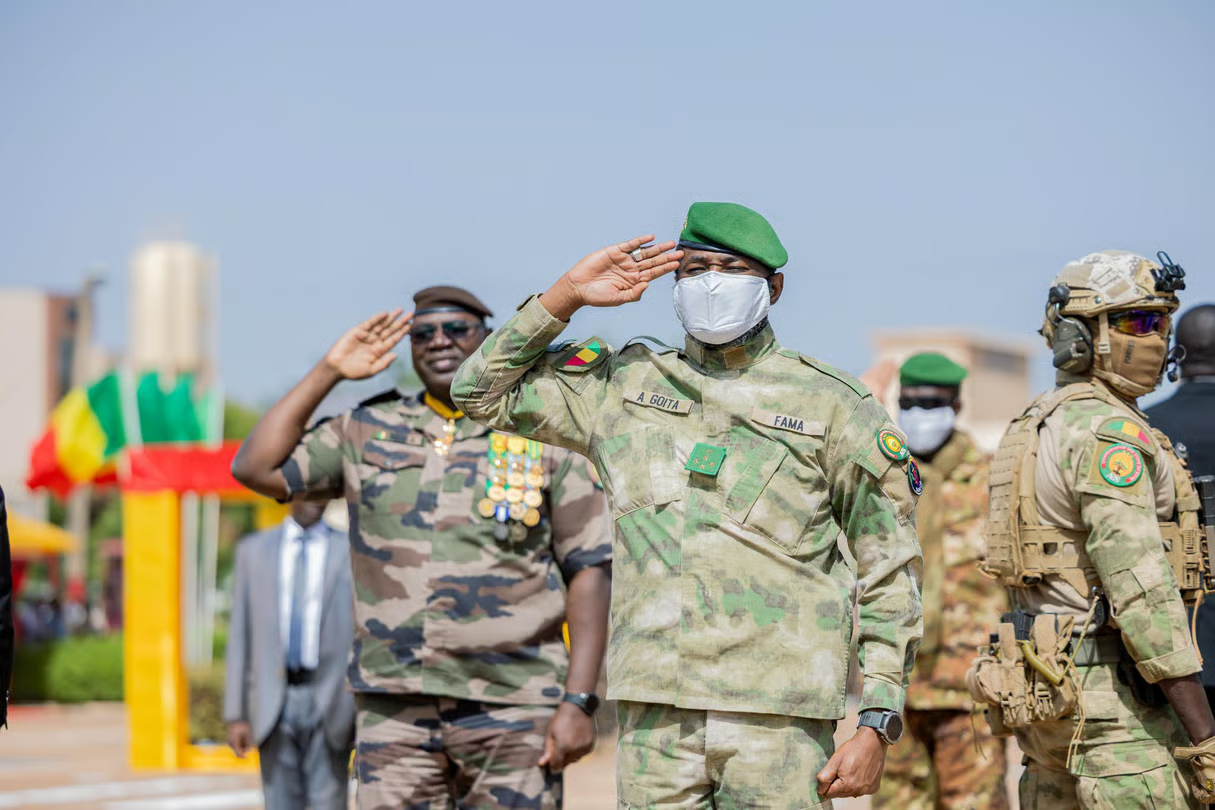
In the heart of Bamako, a nation holds its breath as Mali’s interim president, Assimi Goïta, commits his government to a bold but perilous military strategy. The stakes couldn’t be higher: regaining control from armed groups holds the key to unlocking the country’s crippled economy, while also determining the daily safety of millions of citizens.
From training grounds to battlefields: the human cost of military expansion
Last October, Goïta presided over a momentous ceremony in Bamako, commemorating the graduation of 2,400 new recruits into the Malian Armed Forces. This surge in military personnel symbolizes the president’s determination to turn the tide against militant groups. Yet, behind the parades and promises lies a harsh reality: families across the nation face mounting uncertainties as soldiers are deployed to frontline regions.
In districts like Mopti and Ségou, communities that once thrived on agriculture now brace for disruptions. Farmers hesitate to plant crops, fearing attacks that have already displaced thousands. Local markets see supply chains crumble under the weight of road closures and security checkpoints, driving up the cost of basic goods like millet and rice.
For these families, every deployment order echoes with a single question: will our breadwinner return home safe?
Economic ripple effects: how insecurity reshapes Mali’s future
The economic fallout from the conflict is impossible to ignore. Mali’s gross domestic product growth has stalled, with predictions of a 2.1% contraction this year, according to recent projections. Businesses, especially small and medium-sized enterprises, struggle to operate as prolonged curfews and frequent blackouts become commonplace.
Foreign investors pull back, wary of the instability gripping the region. Tourism, a once-thriving sector in cities like Timbuktu and Djenné, has nearly evaporated, leaving historic sites eerily silent. Even major mining operations, a cornerstone of Mali’s economy, face escalating security costs that squeeze profit margins.
In Bamako, the capital’s once-bustling markets tell a similar story. Vendors report dwindling sales as consumers tighten their belts, prioritizing essentials over discretionary spending. The ripple effects are clear: fewer jobs, declining revenues, and a growing sense of economic paralysis.
Security vs. rights: navigating a delicate balance
Amidst the military push, voices of dissent grow louder. Human rights groups warn that heavy-handed security operations risk exacerbating tensions. Reports of civilian casualties and property seizures have sparked protests in several towns, with citizens demanding accountability from their leaders.
Goïta’s administration has defended its approach, arguing that swift action is necessary to dismantle militant networks. Yet critics argue that without addressing the root causes of the conflict—such as poverty and marginalization—lasting peace remains elusive. The question lingers: can Mali achieve security without sacrificing its social fabric?
What’s next for Mali’s families and businesses?
The coming months will be critical. As the military intensifies its campaigns, the government faces a daunting task: restoring order without pushing more citizens into poverty. For families, the priority is survival. For businesses, it’s resilience. And for Mali’s leaders, it’s a test of whether their strategies can deliver more than just temporary stability.
The choices made today will shape the nation’s trajectory for years to come. Families will continue to ask: will our children grow up in peace? Businesses will wonder: can we ever rebuild what was lost? And the rest of the world watches, waiting to see if Mali’s gamble on security will ultimately pay off.