From Crisis to Control: Mali’s Power Shift After April’s Violent Unrest

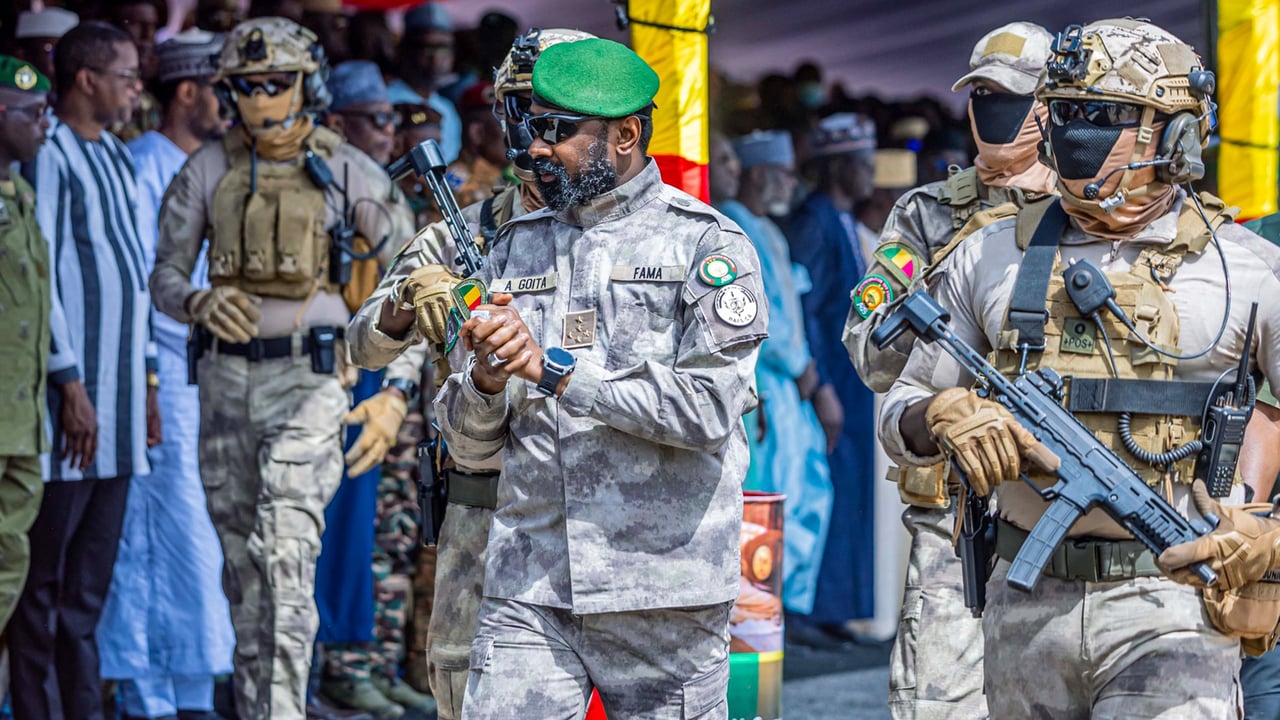
In the wake of the deadly April 25 attacks that shook Bamako, Mali’s interim leader, Colonel Assimi Goïta, has orchestrated a strategic consolidation of authority that has reshaped the nation’s political landscape. The sequence of events following the violence revealed a calculated move to reinforce his grip on power, positioning him as the central figure in Mali’s transitional government.
Rebuilding Authority Through Strategic Moves
The attacks, which targeted key military and civilian sites, triggered a wave of public outrage and exposed vulnerabilities in Mali’s security apparatus. Colonel Goïta, already a dominant force in the junta that seized power in 2020, seized the moment to recalibrate his leadership approach. Within days, he initiated a series of administrative and military reshuffles, positioning loyal allies in critical roles to strengthen his operational control.
These adjustments were not merely cosmetic. By reshaping the transitional council and reassigning key military commanders, Goïta ensured that his vision aligned with the day-to-day governance of the country. The moves sent a clear message: Mali’s transitional phase would be directed by his priorities, with security and stability as non-negotiable pillars.
Public and Institutional Response
The colonel’s actions were met with a mix of cautious optimism and skepticism. While some sectors of society welcomed the firm hand in the face of chaos, others questioned the long-term implications of such centralized control. Civil society groups and opposition figures voiced concerns over democratic backsliding, yet their ability to challenge the new order remained constrained by the prevailing security climate.
Institutional reactions from Mali’s regional partners were equally varied. Some neighboring countries expressed support for Goïta’s efforts to restore order, while international observers called for a balanced approach that respected democratic norms. Despite the external scrutiny, the colonel’s domestic maneuvering continued unabated, further entrenching his authority.
What Comes Next for Mali?
As Mali navigates the aftermath of the April violence, the path forward hinges on Goïta’s ability to deliver tangible results. The roadmap for a return to constitutional rule remains unclear, with many wondering whether the transitional government will meet its stated deadlines. Meanwhile, the colonel’s recent actions suggest that his focus remains squarely on consolidating power rather than ceding ground to competing factions.
The coming weeks will be critical in determining whether Mali can achieve the stability it desperately seeks—or whether Colonel Assimi Goïta’s leadership will deepen the nation’s political divides.