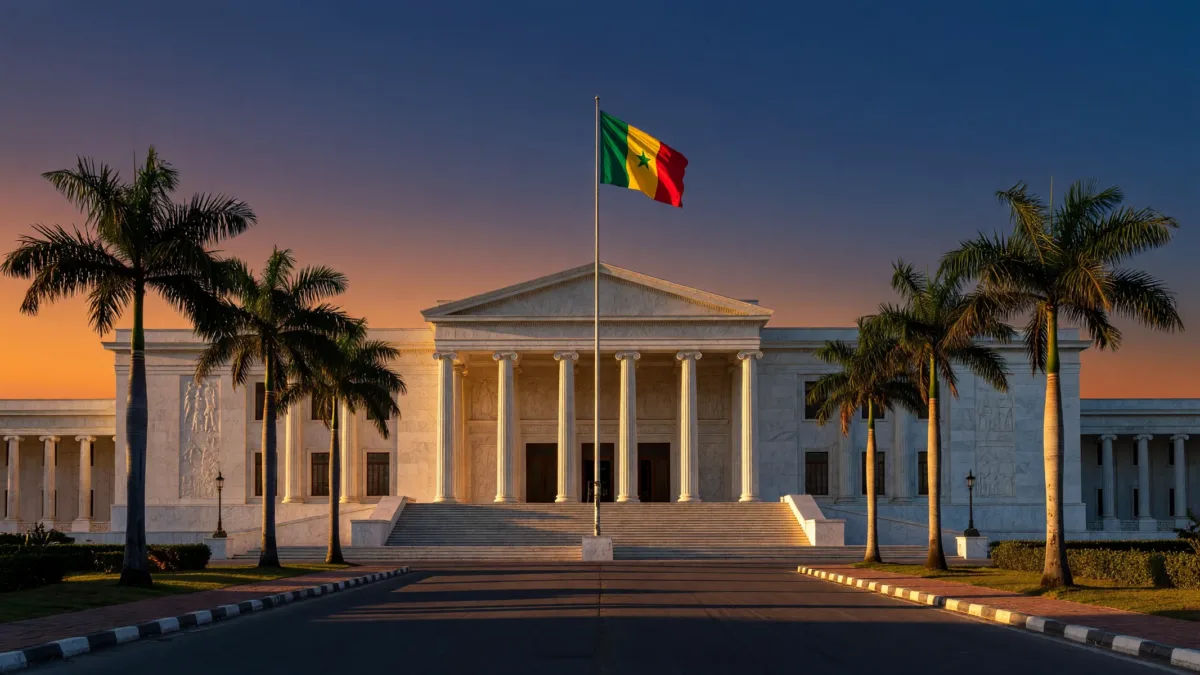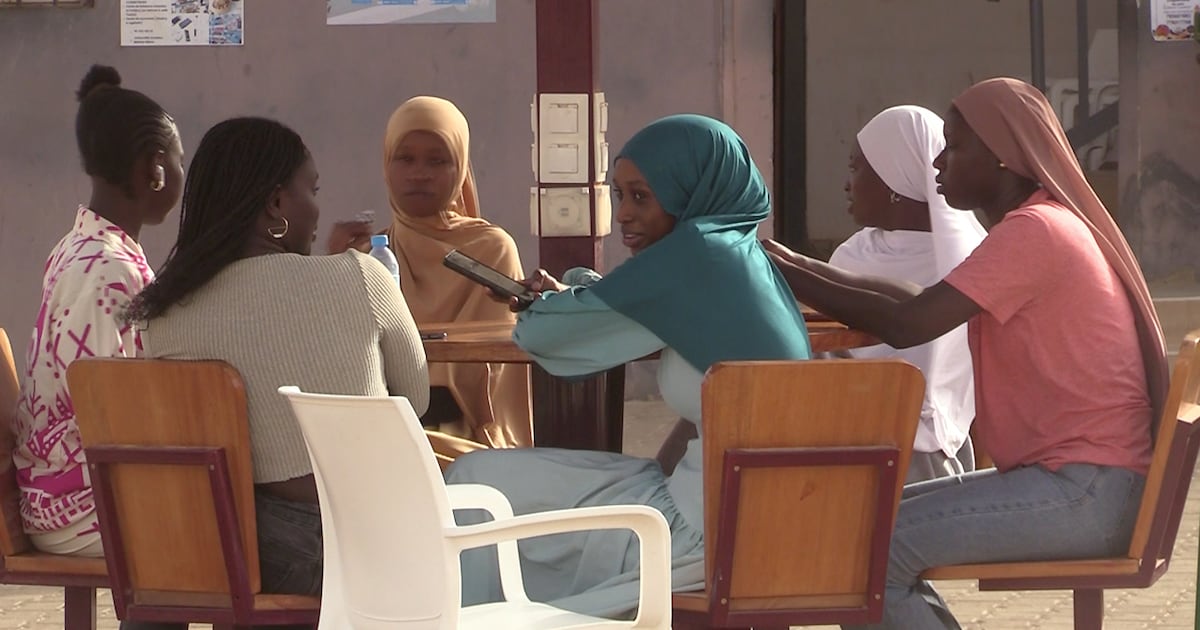
Across Sénégal’s universities, a growing number of students are embracing political engagement as a vital part of their personal and professional development. Far from seeing activism as a distraction, these young people view civic involvement as an extension of their academic pursuits—one that equips them with real-world insights and prepares them for future leadership roles.
From lecture halls to policy debates: why students are joining the political arena
For many, the decision to engage in politics while still studying stems from a belief that knowledge should translate into action. Adama Lam, a law student at Université Cheikh Anta Diop, explains this perspective: «Studying law gives me the tools to understand governance, but engaging with political movements sharpens those skills in practice. It’s about bridging theory and reality—about applying what I learn to shape the country’s future.»
Dispelling the myth that politics derails ambition
Some students worry that political involvement might hinder their academic or career progress. However, Amadou Saliou Diallo, a business administration major, challenges this notion: «Politics isn’t a career—it’s a civic duty. You can contribute without giving up your profession. I see myself as a future accountant who also engages in public service. The two aren’t mutually exclusive.» His stance reflects a broader trend: students are redefining activism as a complementary skill rather than a competing priority.
Building political literacy alongside academic credentials
Beyond personal growth, many students see political engagement as a way to gain early exposure to national policies and governance models. Ousmane Seck, a political science student, highlights this dual advantage: «University gives us academic knowledge, but political involvement teaches us how policies are crafted and implemented. Programs like ‘Jub, Jubal, Jubanti’ aren’t just slogans—they’re frameworks we need to master if we aim to lead one day. The key is balance: knowing when to prioritize studies and when to dive into activism.»
Is the university the next training ground for political leaders?
The debate continues: should campuses remain spaces solely for intellectual growth, or should they also cultivate the next generation of policymakers? With students like Adama, Amadou, and Ousmane leading the conversation, the lines are blurring. Their stories suggest that the two worlds—academia and activism—can coexist, provided ambition is paired with discipline.