how the unified force of the AES alliance can boost security in the Sahel
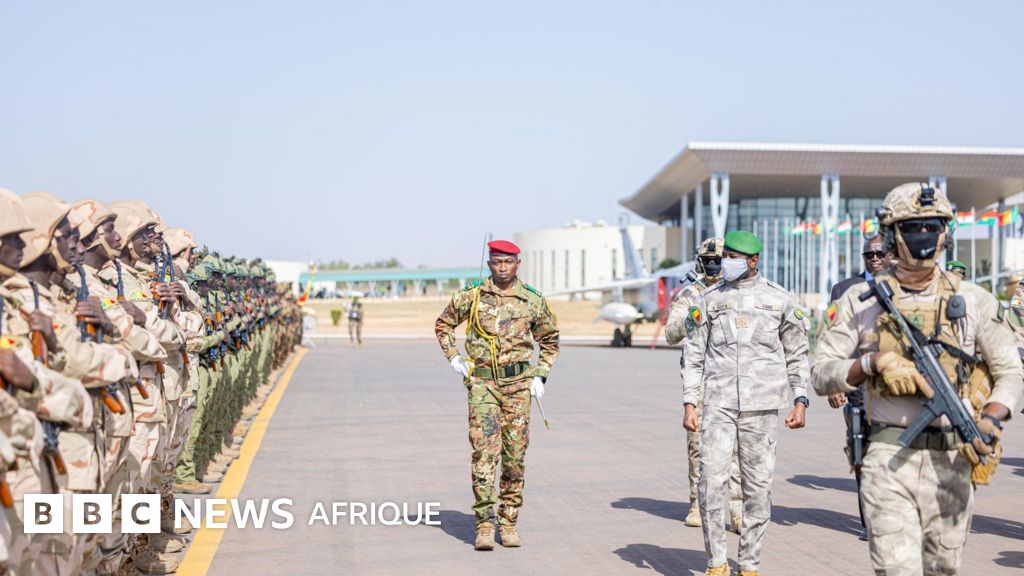
On the eve of the second summit of the Alliance of Sahel States (AES) in Bamako, the transitional president of Mali and current AES confederation president, General Assimi Goïta, officially launched the unified force of the AES (FU-AES) on saturday, december 20. This 5,000-strong multinational force, led by Burkina Faso’s general daouda traoré, marks a turning point in the fight against armed groups in the Sahel region.
The three member states—Mali, Burkina Faso, and Niger—have faced persistent security challenges, including cross-border attacks by armed groups and the mobility of jihadist factions operating across national boundaries. The establishment of this unified force aims to strengthen coordination between the armies of the three countries through enhanced intelligence sharing, synchronized military operations, and improved border security.
what is the unified force of the AES?
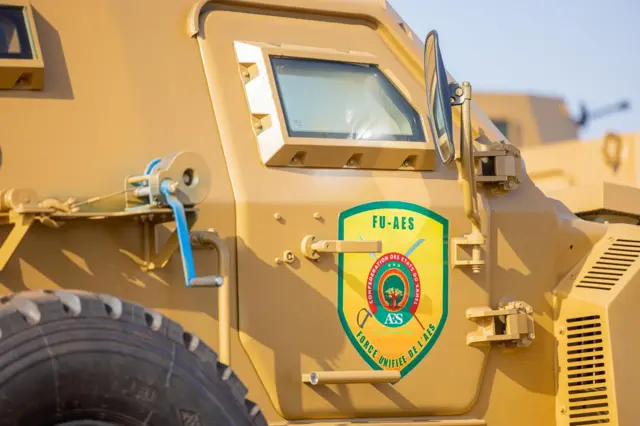
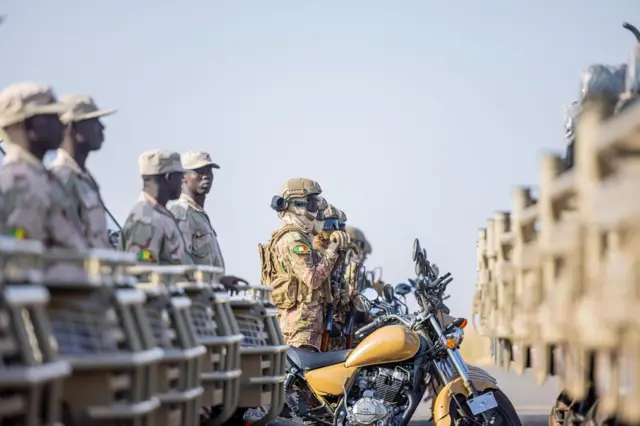
The FU-AES is composed of 5,000 soldiers from the three member states and is designed to operate across the region to combat armed groups threatening the security of Mali, Burkina Faso, and Niger. Its creation underscores the commitment of the AES states to address shared threats through mutual cooperation and strategic solidarity.
General Sadio Camara, Mali’s defense minister, emphasized the importance of this initiative, stating: “Peace, security, and sovereignty cannot be delegated.” He described the unified force as the culmination of a strategic collaboration rooted in Sahelian values of solidarity and dignity.
Since its inception, the AES has made significant strides in coordinating military efforts. Operations such as Yéréko I and Yéréko II have successfully neutralized key jihadist leaders and dismantled criminal sanctuaries, demonstrating the effectiveness of combined intelligence and resource-sharing among the three nations.
how can the unified force achieve its goals?
Fiacre Vidjenagninou, a senior researcher at the Behanzin Institute in Cotonou, Benin, and associate senior researcher at the Egmont Institute in Brussels, highlights critical factors for the success of the FU-AES. He stresses that credibility will depend on tangible results on the ground, not just announcements. The force must demonstrate effectiveness in several key areas:
- Command and Control: Clear leadership structures and decision-making processes are essential for cohesive operations.
- Intelligence Sharing: Rapid and accurate intelligence is crucial for preemptive strikes against armed groups.
- Logistics and Support: Efficient supply chains, casualty evacuation, and medical support ensure sustained operations.
- Territorial Control: Holding captured areas, securing markets, and protecting villages are vital to prevent the return of armed groups.
Vidjenagninou also warns that superficial operations—striking and retreating without maintaining control—are ineffective. Armed groups often regroup and resume activities. He advocates for a strategy that prioritizes long-term stability through governance, justice, and community engagement.
He outlines a phased approach for the FU-AES:
- Focus on Core Areas: Concentrate efforts where enemy structures are strongest.
- Intelligence-Action Mechanism: Collect, analyze, and act on intelligence swiftly to dismantle threats.
- Gradual Expansion: Prove effectiveness with the three founding members before integrating additional allies to avoid coordination challenges.
The expert emphasizes that while military force can win battles, governance is essential to win the war. Without addressing underlying issues such as local justice, land disputes, and community violence, sustainable peace remains elusive.
balancing expansion and efficiency
Vidjenagninou also cautions against rapid expansion of the alliance. Adding more countries could complicate coordination due to differing interests and doctrines. He recommends a stepwise approach:
- Prove Effectiveness: Demonstrate success with the current three-member alliance before considering expansion.
- Operational Cooperation: Collaborate with neighboring countries on targeted operations and cross-border pursuits.
- Formal Integration: Establish formal integration only after trust and operational harmony are achieved.
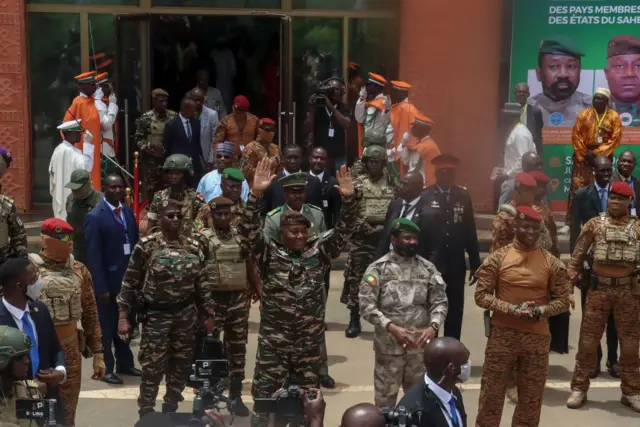
The unified force of the AES represents a pivotal political and military shift for the Sahel region. Its success will hinge on the ability of the three member states to work seamlessly together, maintain territorial control, and deliver lasting security to their populations. As the AES leaders gather in Bamako for their two-day summit, decisions made will shape the future trajectory of this ambitious alliance.
The summit will also address the establishment of the AES Television (based in Bamako) and Daandè Liptako Radio (based in Ouagadougou), as well as the launch of the Confederal Bank of Investment and Development (BCID), with an initial capital of 500 billion CFA francs. These initiatives underscore the broader vision of the AES beyond security, aiming to foster economic and social development in the region.
The creation of the AES follows coups in Mali (August 2020), Burkina Faso (September 2022), and Niger (July 2023), which led to sanctions from the Economic Community of West African States (ECOWAS) and threats of military intervention. In response, the three countries withdrew from ECOWAS in 2024 and formed the AES, establishing a confederation on July 6, 2024, to prioritize regional security and autonomy.