Burkina Faso is rolling out a bold national landscaping initiative to transform its urban landscapes. The project includes 80 new green spaces, 60 landscaped roundabouts, and 65 kilometers of tree-lined roads—measures designed to reshape city life across the country.
revitalizing harsh urban conditions
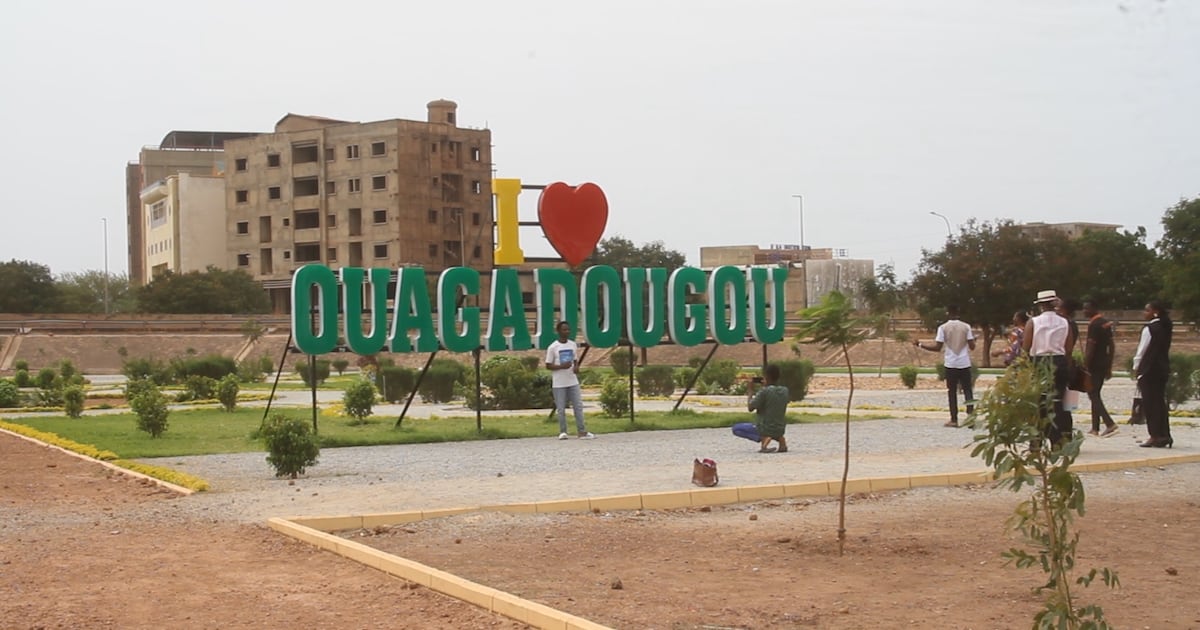
Many cities in Burkina Faso face extreme heat, persistent dust, and a lack of recreational areas. Initiatives like the green space at the base of the Ouaga 2000 interchange are beginning to change that, offering residents and visitors alike a breath of fresh air. The impact is being felt far beyond the capital.
«I couldn’t believe my eyes when I saw these spaces. I live in the diaspora—in Senegal—and when I visited home, I was completely captivated by the change. It’s truly inspiring.»
cooling cities naturally with green infrastructure
Urban greening is proving to be a powerful response to rising temperatures. Research shows that well-placed trees, green roofs, and parks can lower average city temperatures by up to 2°C. In shaded areas, peak temperatures can be as much as 4°C cooler than in open, exposed zones—critical in a Sahelian climate where heatwaves are becoming more frequent.
«Before, it was all bare red earth with nothing to break the heat. Now, there’s beauty, a cooler microclimate—exactly what we need. Burkina Faso may be a Sahelian country, but we must embrace ecological solutions when the heat becomes unbearable.»
more than just shade: fostering community and tourism
These green spaces do more than cool the air—they create gathering places for rest, recreation, and social connection. Visitors and locals alike are finding new reasons to appreciate their cities. One woman visiting from abroad shared her excitement:
«We’re thrilled. It’s a perfect spot to relax and it’s even boosting tourism in Burkina Faso.»
These developments reflect a growing shift in urban planning: modern cities must balance infrastructure with nature. Burkina Faso’s initiative shows that green spaces are not a luxury—they are essential for health, comfort, and community well-being.
ensuring long-term success through sustainable management
While planting trees is a strong first step, maintaining them over time is the real challenge. Civil society leader Lassané Sawadogo stresses the need for smart access and funding mechanisms:
«Once the spaces are developed, we must set clear rules for access and revenue. This will allow local authorities and environmental agencies to generate the funds needed to care for these places year after year.»
With thoughtful planning and community involvement, Burkina Faso’s urban greening project could serve as a model for sustainable city living in the Sahel—proving that a modern city thrives when nature is at its heart.