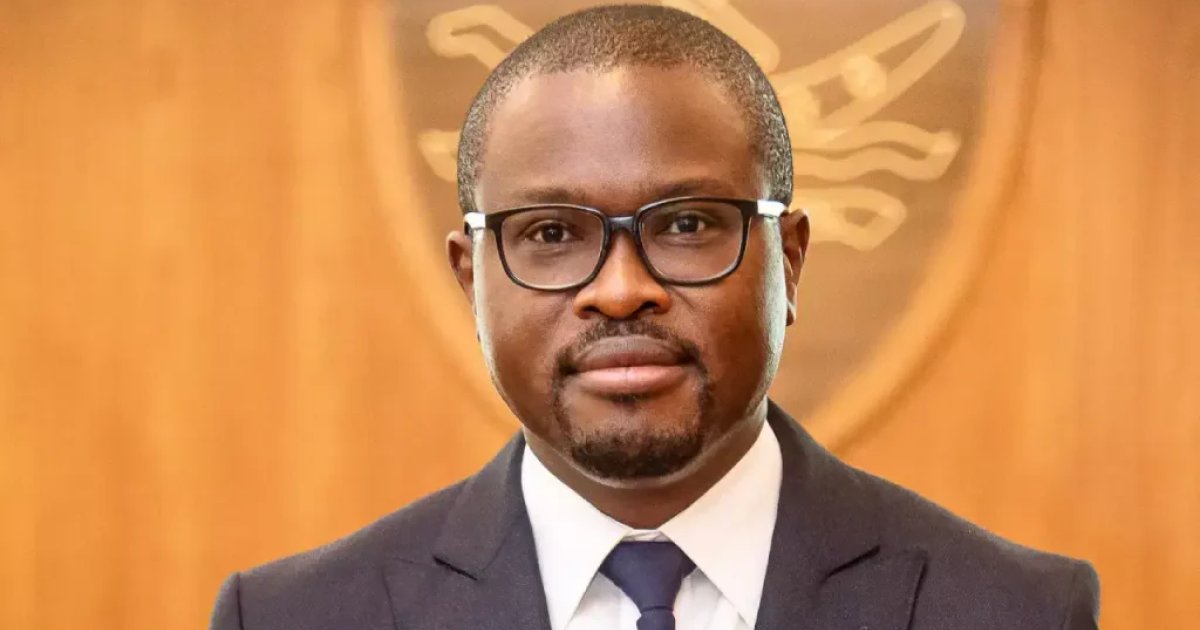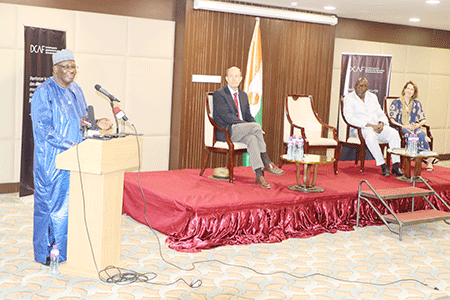
In Niamey, the President of the National Human Rights Commission (CNDH), Maty El Hadj Moussa, inaugurated a regional summit dedicated to human rights protection frameworks within the context of the ongoing security crisis in the “three borders” zone involving Burkina Faso, Mali, and Niger. The event was attended by high-ranking officials, including the Deputy Secretary General of the Ministry of Justice, the Africa Director of DCAF, and the Germany Ambassador to Niger.
Strengthening oversight and prevention
This two-day gathering focuses on several critical objectives designed to improve the humanitarian landscape in the region:
- Raising awareness among key stakeholders regarding international best practices for human rights.
- Enhancing the technical capacity to use tools and mechanisms that prevent rights violations.
- Promoting better governance and the rule of law by empowering internal and external monitoring bodies.
The impact of insecurity on civilian populations
During the opening remarks, Maty El Hadj Moussa spoke about the grave situation in the border areas where Mali, Burkina Faso, and Niger meet. He described a landscape marked by extensive human rights abuses committed by unidentified armed groups that terrorize local communities. Furthermore, he noted that some elements of the defense and security forces involved in counter-insurgency efforts have also been implicated in violations.
The President of the CNDH emphasized that civilians are the primary victims of this asymmetric warfare. In these communities, the threat is often internal, creating an environment where even the suspicion of cooperation with authorities can lead to fatal consequences. He called upon all human rights advocates to develop strategies that align with the public’s desire for safety, stability, and peace.
International cooperation and regional stability
Representing the Ministry of Justice, Moussa Sahirou Tchida stated that stabilizing the Sahel requires a unified approach from all regional actors. He expressed gratitude for the involvement of international partners, specifically highlighting the support from European Union member states in organizing the conference. He reaffirmed the government’s commitment to collaborating on any initiative aimed at bringing security to the three-border region.
Anne Benette, the Africa Director for DCAF, observed that the convergence of political, social, and environmental crises in the Sahel has made effective governance increasingly difficult. She noted that rising conflict and transnational crime are tearing the social fabric. This conference serves as a vital platform for sharing successful strategies and refining the collective response to threats against the rule of law.
The Germany Ambassador, Herman Nicolai, concluded by pointing out that the Sahel is currently experiencing one of the fastest escalations of violence on the continent. Over the last decade, extremist activities and organized crime have resulted in thousands of casualties among both soldiers and civilians, leading to massive internal displacement.