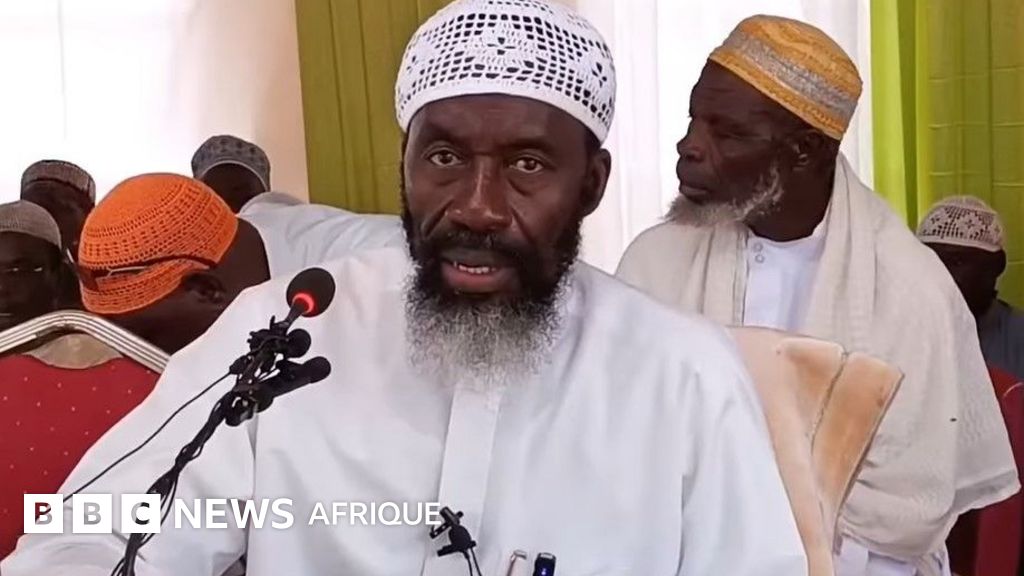
what is known about the arrest of sunni imam mohamad kindo?
Crédit photo, Capture écran YouTube
A significant arrest has shaken Burkina Faso. Mohamad Ishaq Kindo, a prominent Sunni imam and preacher, was apprehended on Tuesday, May 26, in Ouagadougou by police and taken to an undisclosed location. This detention occurred just two days after he openly criticized a new bill on religious freedoms, which had been adopted on March 19. Details surrounding his arrest have been shared by his associates and a Muslim organization with which he is affiliated.
In a statement released hours after the incident, the Federation of Islamic Associations of Burkina (FAIB) confirmed that Imam Kindo, who also chairs the country’s Sunni Ulamas, was taken into custody on Tuesday afternoon. The FAIB noted that the “circumstances and motives have not yet been officially communicated.”
The organization further stated its commitment to “undertaking the necessary steps with competent authorities to obtain precise information and a favorable outcome.”
forceful apprehension
A close associate, who witnessed the apprehension, recounted that it took place around 2:00 PM (GMT and local time), on the eve of the important Muslim holiday of Eid. The arrest was carried out by “security personnel, including police officers and masked soldiers.”
“It was violent because the faithful who were around him resisted, which created tension,” the associate added.
Another individual close to the imam reported “injuries among Muslim worshippers during the arrest.”
Notably, an audio recording of Imam Kindo’s teachings had been widely shared on social media two days prior to his detention.
In this recording, he condemned the religious freedom bill passed in March, which regulates the exercise of religious liberties in Burkina Faso. He had urged the authorities to “further question the implications of their actions before proceeding.”
He specifically declared, “Let everyone beware and refrain from wanting to prohibit prayers in public places. Whether you are a leader or a strong man, you possess neither the strength nor the power of God.”
community tensions
This arrest has been met with significant disapproval within the community. Hours after his apprehension, hundreds of people demonstrated in Ouagadougou, demanding his release, according to local residents.
A demonstrator reported that the protest was dispersed with tear gas.
The FAIB has called upon “all Muslim faithful to maintain calm, restraint, and serenity.”
no official government response
Crédit photo, Reuters
The day after the events, which coincided with Eid El-Kébir, also known as Tabaski, a semblance of calm has returned to the community, though they remain keenly observant of the religious leader’s case.
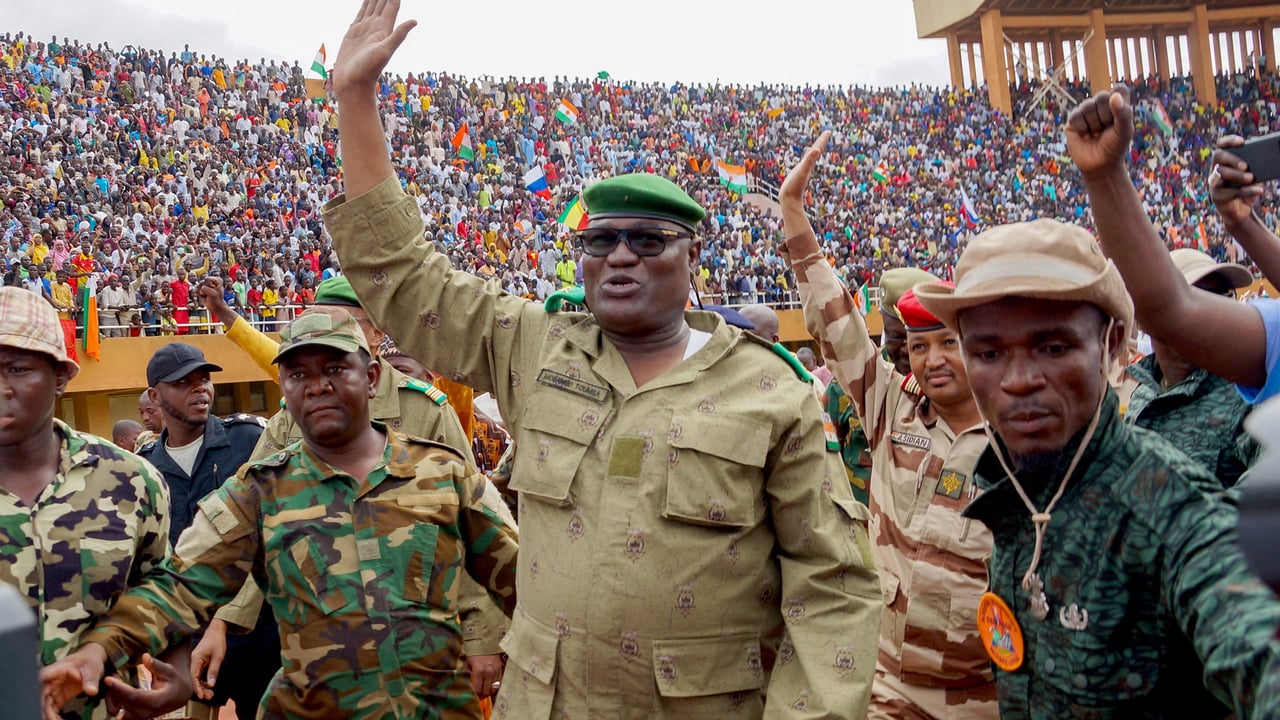
Following his Tabaski prayers, Burkina Faso’s president, Ibrahim Traoré, issued a statement on social media.
While commending the security forces battling jihadism, the Head of State also cautioned “enemies of the Nation” against any attempts to attack, demoralize combat forces, or otherwise disrupt the country’s progress.
He emphatically stated that anyone adopting such a stance “will bear full responsibility and all consequences that ensue.” As of now, there has been no official reaction concerning Imam Kindo’s specific case.
new law on religious freedom in Burkina Faso
It is important to note that the religious freedom bill in Burkina Faso, which appears to be at the root of the influential imam’s predicament, was adopted by the Council of Ministers on March 19.
The legislation aims to regulate the exercise of religious freedom to prevent certain abuses observed on social media and to guarantee freedom of religion.
This document has received mixed reactions. Mariem Sanogo, Director General of Religious, Customary, and Traditional Affairs for Burkina, speaking to RTB, sought to reassure the public by indicating that the text itself is not entirely new but has been updated “in the face of radicalism and violent extremism.”
She added that the update also addresses “hate speech and discourteous discourse online.”
Authorities hope this new bill will standardize practices, put an end to such abuses, and ultimately strengthen national cohesion.
In Burkina Faso, similar to many other countries on the continent, the state maintains a secular stance, ensuring equality among all religious confessions.
The new religious freedom bill specifically prohibits the construction of places of worship within public service facilities, with exceptions for healthcare institutions, correctional facilities, barracks, and military camps.
Due to the impracticality of establishing places of worship for every religious denomination within government administration, the state has opted for a straightforward prohibition.
Crucially, authorities have clarified that praying in public spaces is not forbidden, provided it is done respectfully and without infringing upon the beliefs of others.
Since Ibrahim Traoré assumed power, there have been numerous reports of notable disappearances involving individuals critical of the regime.
The authorities justify their repressive policies by citing the ongoing decade-long conflict against jihadist groups that control significant portions of the country.
Burkina Faso has been under a military regime, led by Captain Ibrahim Traoré, for nearly four years.