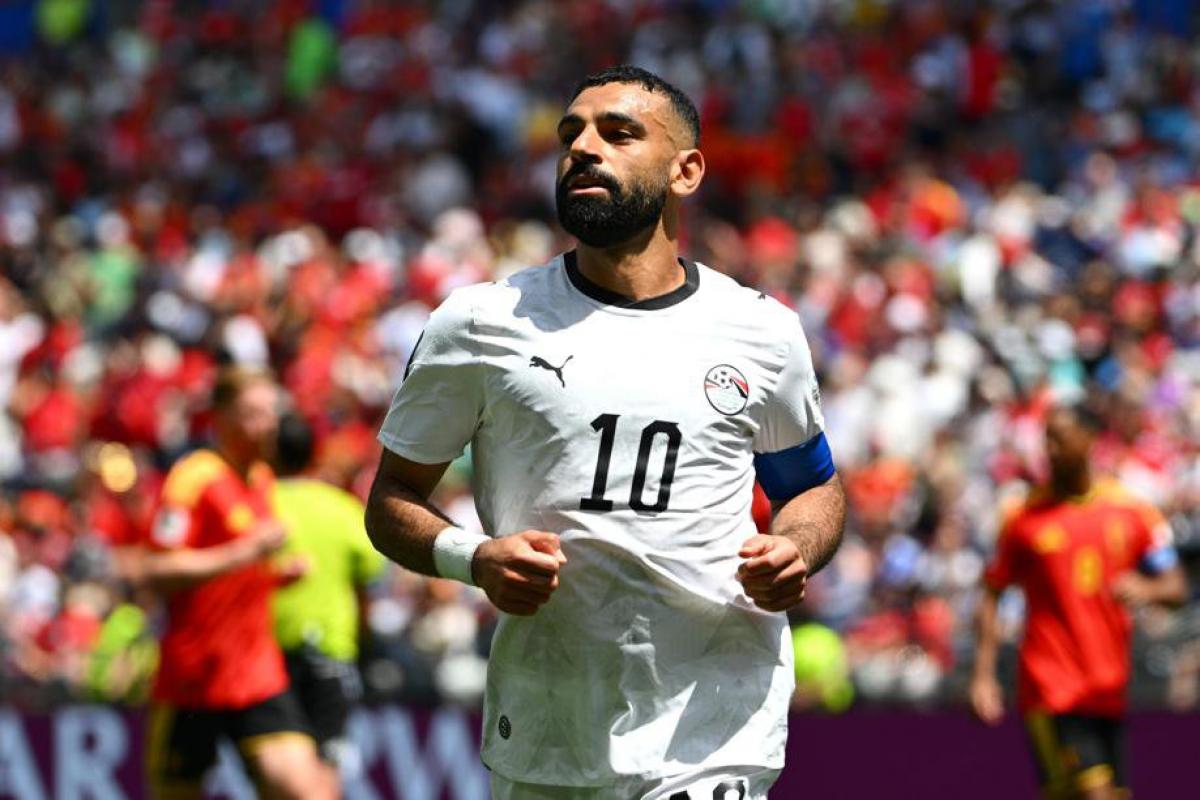
Tonight’s Europa Conference final at the Red Bull Arena pits two teams that few predicted would reach this stage: Crystal Palace and Rayo Vallecano. While the London club may boast Premier League pedigree, the Madrid-based side has defied expectations under the guidance of Iñigo Pérez, carving a path that blends relentless intensity with tactical refinement.
For both sides, the stakes couldn’t be higher. Palace seeks to etch their name into history with a first major European trophy, while Rayo Vallecano aims to prove that underdog status can still deliver silverware. The clash of styles—Palace’s disciplined transitions versus Rayo’s chaotic aggression—sets the stage for a tactical showdown unlike any other.
Rayo Vallecano’s controlled chaos
Iñigo Pérez has transformed Rayo Vallecano into a team that thrives on controlled aggression. Three years ago, he was part of Andoni Iraola’s staff, helping lay the foundation for the club’s rise. When Pérez’s own path to England was blocked by work permit issues, he returned to Vallecas, refined his philosophy, and built a side that retains Iraola’s fearless DNA while adding its own strategic depth.
The result is an attacking force that generates volume through rapid transitions, with nearly 40% of their shots coming in these high-pressure moments. Their shot maps reveal a team obsessed with territorial dominance, flooding central areas around the box in search of scoring opportunities. While their expected goals (xG) per shot remains modest—highlighting a preference for quantity over precision—their sheer presence in dangerous zones forces opponents into defensive errors.
Rayo’s season-long xG trends show remarkable consistency, a trait Palace cannot afford to overlook. Their ability to maintain offensive output despite occasional defensive lapses makes them a formidable opponent, particularly in a one-off final where momentum can shift in an instant.
Crystal Palace’s precision in transition
Oliver Glasner has already cemented his legacy at Crystal Palace with last season’s FA Cup triumph, a victory built on resilience and tactical adaptability. Palace’s journey to this final has been turbulent, marked by injuries to key players like Eberechi Eze and Marc Guéhi, yet they’ve navigated the storm to claim a historic European spot.
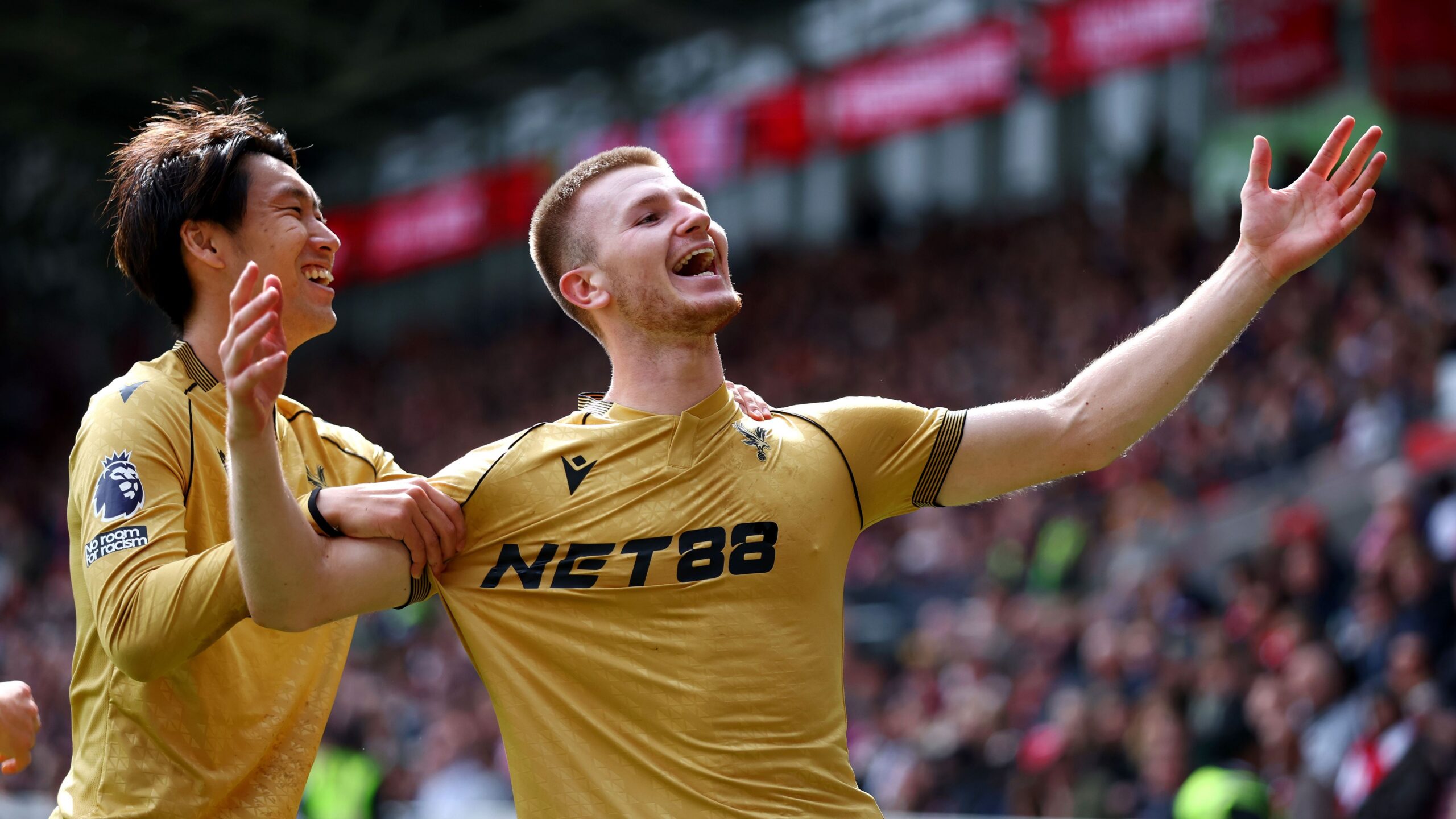
Their attacking profile contrasts sharply with Rayo’s. While both teams rely on quick transitions, Palace’s approach is far more selective, prioritizing high-quality shots from central zones. Their shot maps reflect this discipline, with a higher xG per shot and a focus on creating clear-cut chances rather than overwhelming opponents with volume. The presence of Adam Wharton adds a layer of verticality and creativity, allowing Palace to exploit defensive gaps with surgical precision.
Glasner’s experience in knockout football—honed during his Europa League triumph with Eintracht Frankfurt—positions Palace as favorites on paper, but the final’s unpredictability demands caution. Their xG trends, while impressive at their peak, lack the consistency of Rayo’s, meaning a single moment of brilliance could tilt the balance.
Adam Wharton: the key to Palace’s vertical play
Adam Wharton embodies the modern midfielder: bold, intelligent, and relentless in pursuit of progression. His statistics paint a picture of a player who thrives in transitional moments, combining elite creativity with defensive solidity. Unlike sterile possession merchants, Wharton accelerates play with incisive passes and dribbles, exploiting the half-spaces and the edges of the box to unlock stubborn defenses.
His role in Crystal Palace’s buildup cannot be overstated. The midfielder’s ability to dictate tempo—slowing play to regain control before striking with verticality—makes him the perfect foil for Rayo’s high-pressing game. In a final where chaos could reign, Wharton’s composure and vision might just be the difference-maker.
Exploiting Palace’s set-piece vulnerabilities
For Rayo Vallecano, the path to victory may lie in exploiting a critical weakness: Crystal Palace’s vulnerability on defensive set pieces. Data reveals that Palace concedes a disproportionate number of high-xG chances from these situations, particularly through second-ball scenarios in central zones. Their thermal shot maps confirm a pattern of defensive collapse after initial clearances, with opponents repeatedly capitalizing on chaos in the box.
Rayo’s game is built on relentless pressing and second-ball dominance, traits that align perfectly with Palace’s set-piece frailties. While they lack elite aerial presence, their ability to maintain pressure and overload central zones could turn defensive errors into decisive moments.
Conclusion: a battle of opposites
This final is more than a clash of talent—it’s a collision of philosophies. Crystal Palace represents order: structured transitions, precision, and the potential for moments of dominance. Rayo Vallecano, meanwhile, thrives in controlled chaos, turning defensive lapses into attacking opportunities through sheer intensity.
The gap between the two sides is narrower than it appears. A single Wharton through ball, a Rayo counter-pressing trap, or a Palace set-piece goal could decide the trophy. In a one-off final, unpredictability reigns supreme, and the team that adapts fastest to the chaos may just lift the Europa Conference.