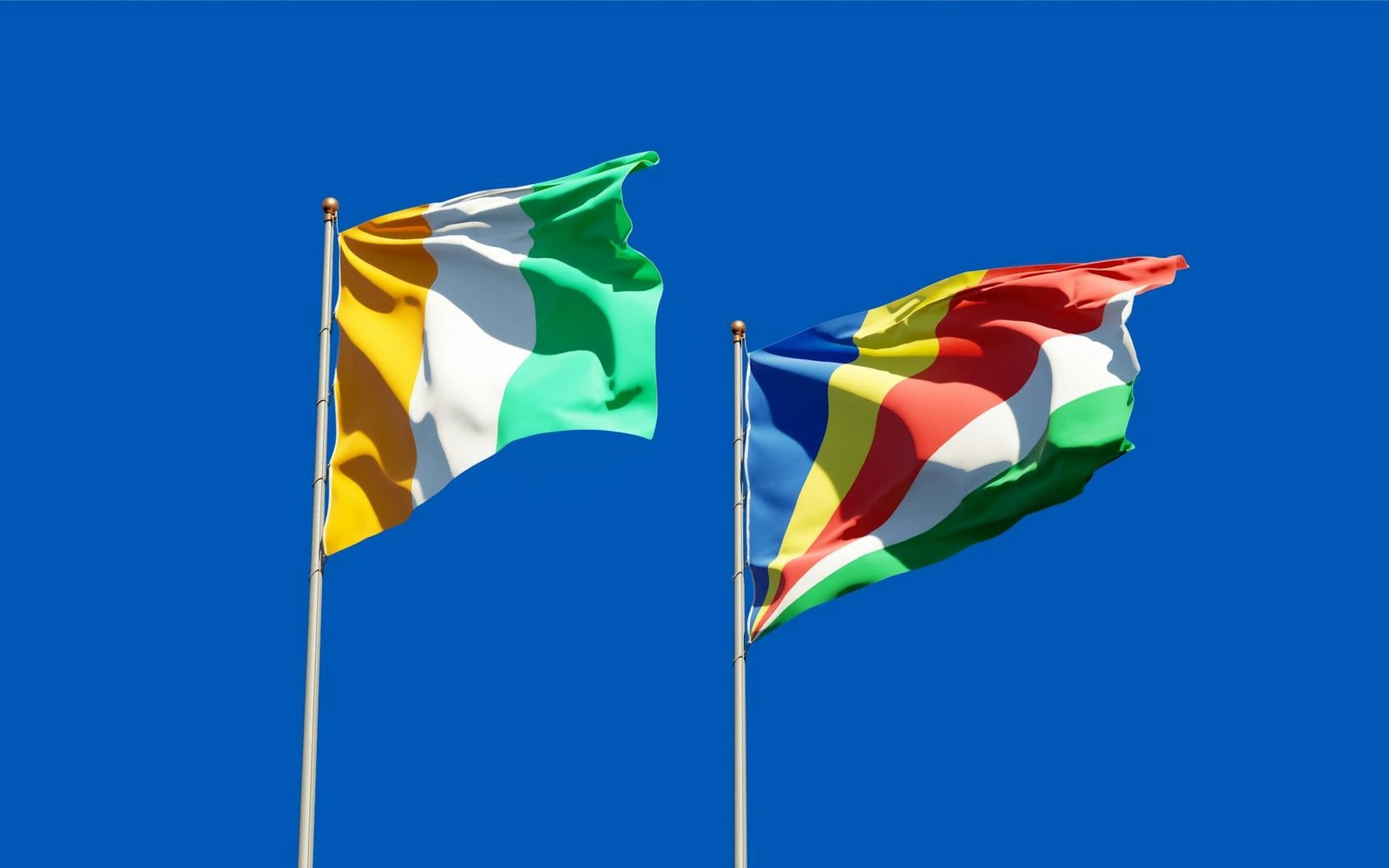
The highly anticipated presidential election in Côte d’Ivoire concluded without major incidents, despite initial concerns over potential unrest. Polling stations across the country, particularly in urban areas, operated smoothly under an intensified security framework. Authorities reported no significant disturbances, marking a stark contrast to the volatile atmosphere that had dominated pre-election discussions.
Election viewed as critical for national stability
This electoral process carried immense stakes for Côte d’Ivoire, the economic powerhouse of the West African Economic and Monetary Union (UEMOA). Memories of the post-election violence from 2010-2011 and the unrest following the 2020 vote loomed large over the campaign period. Political factions, civil society groups, and international observers alike had braced for potential flare-ups, especially in politically sensitive neighborhoods. The campaign season had seen heated exchanges and isolated protests, deepening mistrust between ruling and opposition camps.
Robust security measures, coupled with the presence of domestic and international observers, helped mitigate risks of escalation. Election officials had launched extensive peace-building campaigns, while political leaders urged their supporters to exercise restraint. This coordinated effort appeared to yield positive results as polling concluded without major disruptions.
Turnout monitored closely as results processing begins
While the voting phase passed without incident, all eyes are now on the vote-counting and result consolidation process. Historically, these stages have been flashpoints for disputes and potential unrest. The Independent Electoral Commission (CEI) faces the critical task of delivering transparent and verifiable results to maintain public confidence and prevent post-election tensions from spiraling.
Diplomatic missions, including those from Western and African nations within the Economic Community of West African States (ECOWAS), are closely tracking developments. For Côte d’Ivoire, the stakes extend beyond its borders. As a key regional player, its stability is vital in a West Africa grappling with constitutional crises in the Sahel and shifting diplomatic alliances among Bamako, Ouagadougou, Niamey, and neighboring coastal states.
Regional implications of a peaceful transition
The outcome of this election will resonate across West Africa. In a subregion where military coups have recently reshaped political landscapes, the successful conduct of a pluralistic and violence-free vote sends a strong signal about democratic resilience. International investors, whose confidence is crucial for economic stability, are particularly attentive to the integrity of the process and the strength of post-election institutions.
The coming days will determine whether Côte d’Ivoire can reinforce its reputation as a stabilizing force in a turbulent West Africa. The calm witnessed during voting provides a promising foundation, but the true test lies in how disputes are handled and results are accepted by all stakeholders. Recent precedents from Senegal to Guinea-Bissau serve as reminders of how quickly post-election scenarios can deteriorate.
Ultimately, Côte d’Ivoire’s ability to navigate the post-vote phase without reverting to instability will shape its future trajectory and regional standing. The fragile peace maintained during polling must now be fortified by institutional credibility and a commitment to peaceful resolution of any electoral disputes.