Unverified claims spark global concern over North Korea’s leader
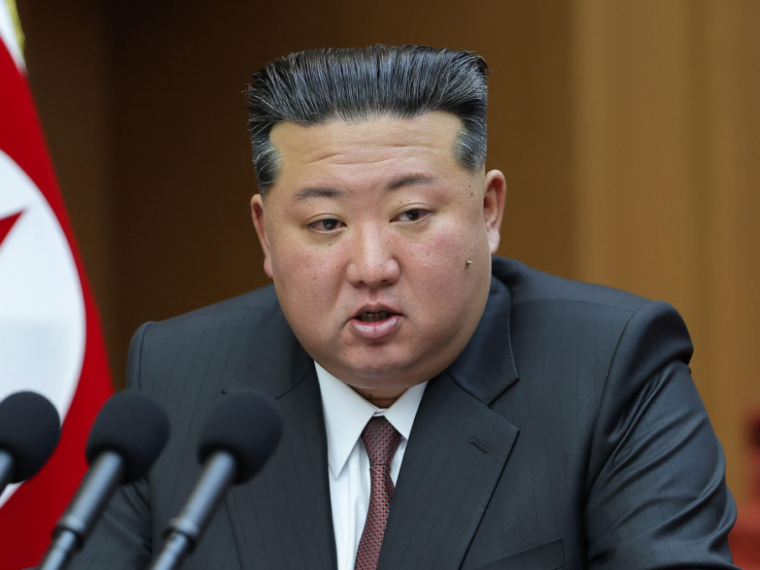
Rumors of Kim Jong-un being in a coma after a cerebral hemorrhage have surged on social media, citing an alleged emergency transfer to Beijing for specialized treatment. These claims, amplified by international reports, have yet to be corroborated by official sources in either Pyongyang or Beijing. The lack of verified information has left observers unable to confirm the accuracy of these reports, which first emerged from unverified online sources.
How unverified reports gained traction
The alleged health crisis began circulating on social media, with several posts citing a Chinese dissident based in the United States as a key source. The claims describe a severe cerebral hemorrhage leading to unconsciousness, followed by an emergency evacuation to China’s Peking Union Medical College Hospital. However, no public evidence supports the existence of this medical transfer, leaving its validity uncertain.
The rapid spread of these unverified reports highlights the sensitivity surrounding the health of North Korea’s reclusive leader. While international media have highlighted these claims, their repetition does not constitute factual confirmation.
Official silence fuels uncertainty
Pyongyang has maintained strict control over information regarding Kim Jong-un’s activities, adding to the opacity surrounding his current status. The absence of public appearances over an extended period naturally fuels speculation about his health and the regime’s stability. However, the lack of official confirmation prevents definitive conclusions about his condition.
A recent development has added complexity to these rumors. State media in North Korea released photographs purportedly showing Kim Jong-un attending a public event just days ago, accompanied by his daughter, Ju-ae. While this provides a new data point regarding his recent activities, it does not independently verify his medical status.
Health rumors surrounding Kim Jong-un are nothing new
Speculation about Kim Jong-un’s health has persisted since he assumed power in 2011. His physical appearance, weight, and lifestyle have frequently drawn international scrutiny. Reports attributed to South Korean intelligence agencies have previously raised concerns about his cardiovascular risk factors. However, these assessments do not confirm the recent onset of a cerebral hemorrhage.
The historical context of North Korea’s leadership adds to the intrigue. Kim Jong-un’s father, Kim Jong-il, died in 2011 after years in power, while his grandfather, Kim Il-sung, the regime’s founder, passed away in 1994. These precedents fuel curiosity about Kim Jong-un’s current health, though they do not provide concrete evidence of his present condition.
What happens if Kim Jong-un’s health fails?
A prolonged incapacity of Kim Jong-un could trigger political uncertainty in a country where power is tightly concentrated among a small elite. His sister, Kim Yo-jong, holds significant influence within the political structure, while his daughter, Ju-ae, has increasingly appeared alongside him at official events. These dynamics contribute to speculation about a potential succession, though the regime’s next leader remains uncertain in the absence of clear indicators.
Any transition in North Korea’s leadership would draw close attention from regional powers, including South Korea, China, the United States, and Japan. The implications for North Korea’s nuclear program and regional security would be closely monitored by the international community.
For now, the reports of a cerebral hemorrhage, coma, and medical evacuation to China remain unverified. Without reliable evidence, these claims must be treated as rumors rather than established medical facts.