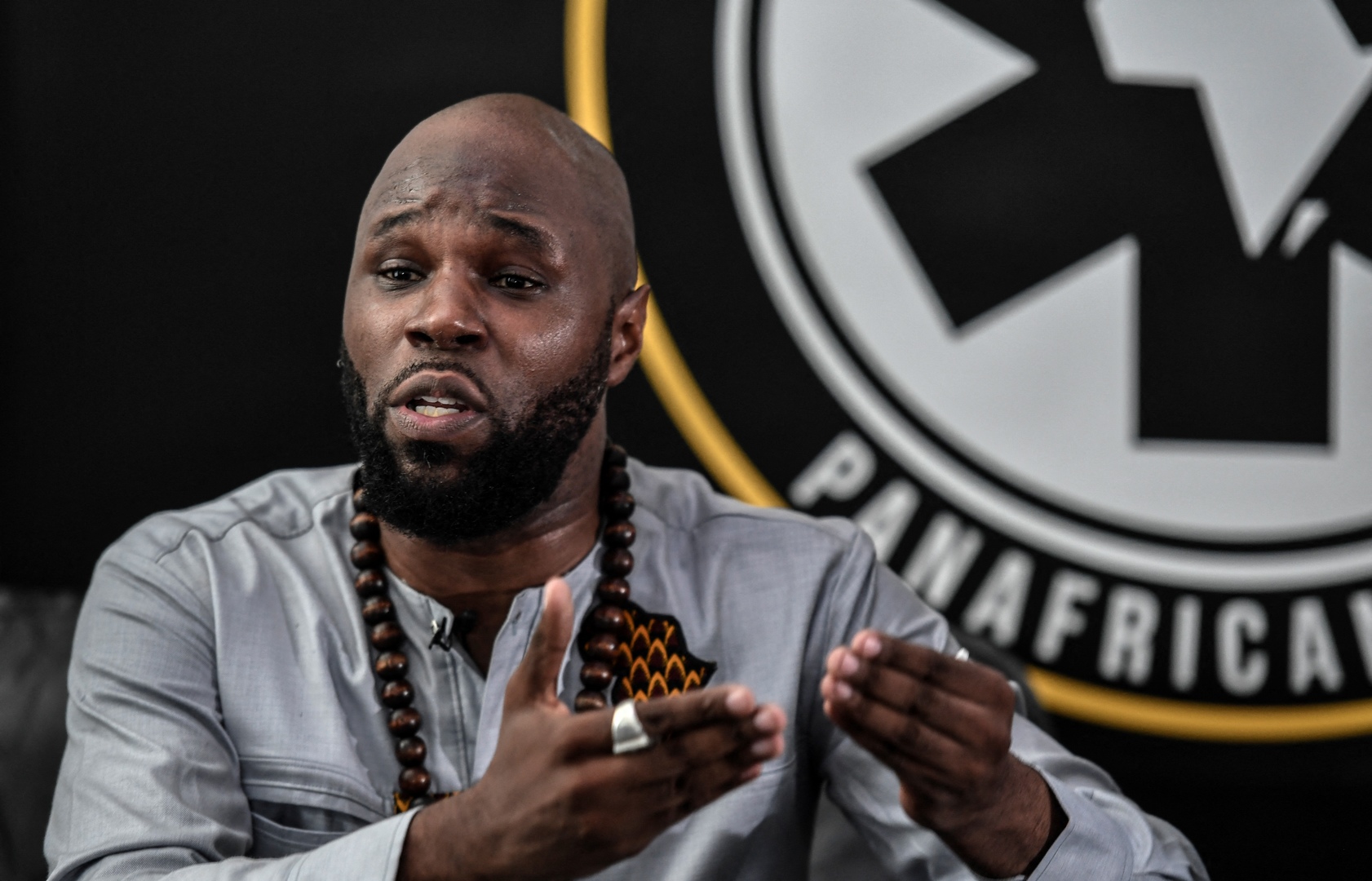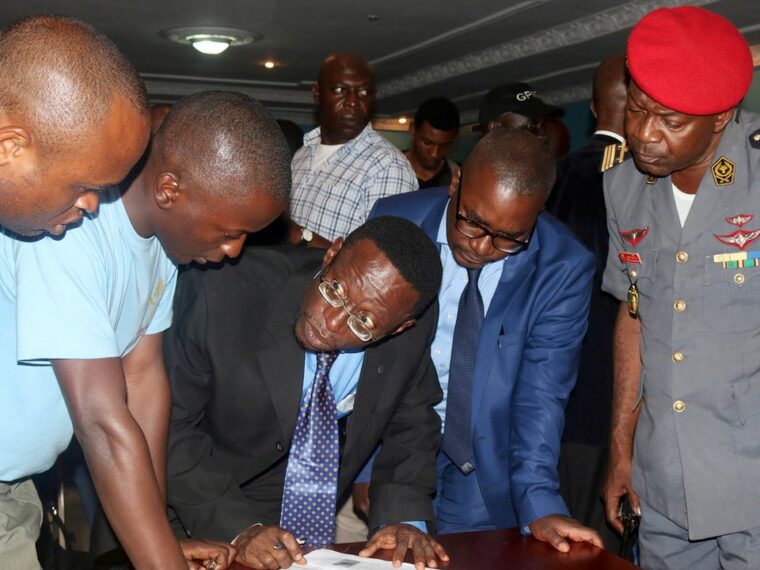
Cameroon’s lawyer Felix Agbor Balla has delivered a stark warning to the government in Yaoundé, declaring that the refusal to engage in dialogue will only deepen the anglophone crisis. His message is clear: dialogue is not a sign of weakness but a strategic necessity for lasting peace.
Felix Agbor Balla: Dialogue is the only path to stability
In a recent statement, Felix Agbor Balla, a prominent human rights lawyer, emphasized that the ongoing violence in Cameroon’s anglophone regions cannot be resolved without meaningful negotiation. He stressed that the government’s reluctance to engage in talks is perpetuating a cycle of conflict and suffering.
The lawyer highlighted the devastating impact of the crisis, which has left thousands dead and displaced millions. Without dialogue, he warned, the situation risks spiraling further out of control, with no end in sight.
Why the government’s refusal to negotiate is fueling the crisis
The anglophone crisis, now in its tenth year, has plunged Cameroon’s Northwest and Southwest regions into chaos. Villages have been destroyed, lives have been lost, and communities remain trapped in a cycle of violence. Critics argue that the government’s hardline stance has only exacerbated the conflict.
Felix Agbor Balla pointed out that refusing to negotiate sends a dangerous message to separatist factions and the broader population. It reinforces the perception that force is the only solution, rather than addressing the root causes of the crisis through dialogue.
What happens if talks don’t happen soon?
The lawyer warned that the longer the government delays dialogue, the more entrenched the conflict becomes. Economic collapse, further displacement, and increased radicalization could follow if no action is taken.
Agbor Balla called on the government to recognize that negotiation is not a concession but a necessity. Without it, he cautioned, Cameroon risks descending into deeper instability.
Calls for urgent action grow louder
As the crisis enters its second decade, pressure on the government to change course is mounting. Civil society groups, international observers, and local leaders are all urging for immediate dialogue to prevent further loss of life and destruction.
The time for action is now, Agbor Balla insisted. The government must understand that dialogue is not a sign of weakness—it is the only way forward.