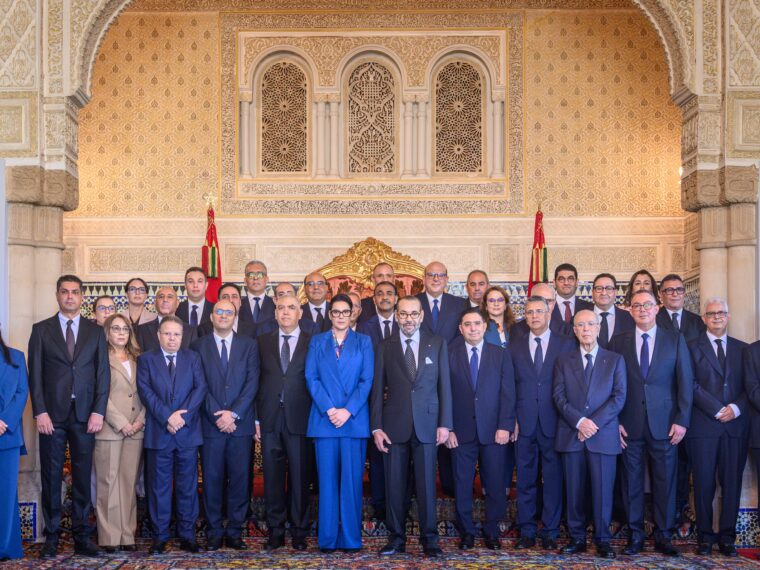
King Mohammed VI approves Morocco’s new cabinet amid economic reforms
His Majesty King Mohammed VI presided over the October 16, 2026 ceremony at the Royal Palace in Rabat, officially ratifying the new government lineup. Each appointed minister took their oath of office before the monarch, who then welcomed the cabinet for a commemorative group photograph. The reshuffle signals the administration’s shift toward economic stabilization and social policy overhaul.
Listen to this article2 min listen
Key appointments and portfolios
Among the most notable changes:
- Finance and Economy: A veteran financial expert assumes leadership, tasked with aligning public spending with IMF-backed structural reforms.
- Energy Transition: The new energy minister inherits a mandate to fast-track renewable energy targets, including the Noor Ouarzazate solar complex expansion.
- Healthcare Reform: A former health advisor takes charge of a sweeping overhaul aimed at reducing regional disparities in medical access.
- Digital Transformation: The incoming digital economy chief will spearhead AI integration across government services to curb bureaucratic delays.
- Foreign Affairs: A seasoned diplomat stabilizes Maghreb relations amid Algeria-Morocco border tensions.
Economic implications for citizens
Moroccans face immediate impacts from the reshuffle. Analysts anticipate:
- Subsidies on basic goods to remain in place through Q1 2027, shielding households from inflation spikes.
- New tax relief measures for SMEs in manufacturing and technology sectors, aligning with the Industrial Acceleration Plan 2030.
- Public sector wage freezes to fund unemployment insurance expansions, targeting youth joblessness rates currently above 30 percent.
- Accelerated port infrastructure upgrades to boost export competitiveness, particularly for the automotive and aeronautics clusters around Tangier and Casablanca.
The government aims to restore public confidence with transparent spending audits, though opposition voices warn of short-term disruption.
Section feedCopy the feed link into your favourite RSS reader