Senegal faces critical test as presidential aide skips land investigation summons
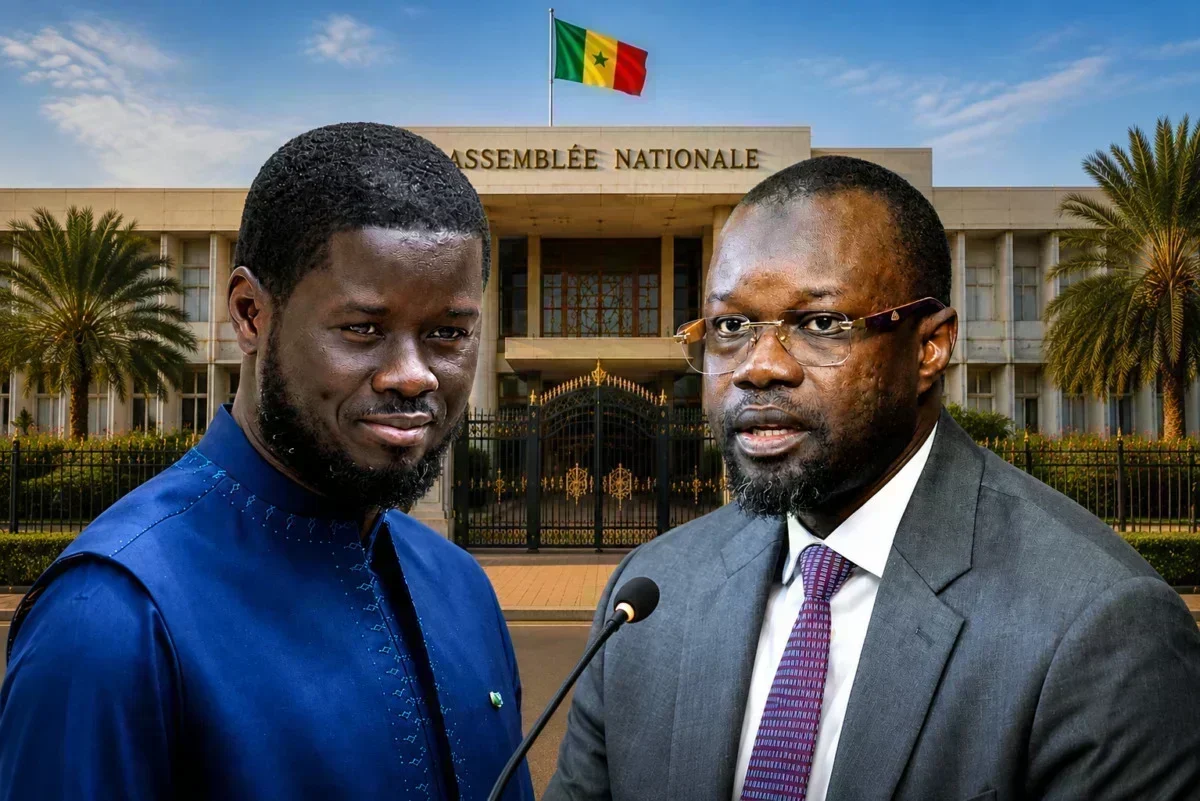
A high-ranking presidential adviser has become the latest figure to defy a parliamentary summons in Senegal’s ongoing land management probe, raising new questions about the government’s stance toward legislative oversight.
The refusal of Demba Dieng, former director of the Land Registry and current presidential adviser, to appear before the parliamentary commission investigating land-related matters has intensified a growing standoff between the executive and legislative branches. This development follows similar cases involving top officials, highlighting a pattern that appears to challenge the authority of the National Assembly.
What we know about the latest refusal
The commission officially announced on October 15 that Demba Dieng declined to respond to her summons, though no official reason was provided. Unlike two former DSCOS officers who cited military protocol as grounds for non-compliance, Dieng’s case raises different legal and political implications, as her role is directly tied to the president’s office.
Is this a coordinated strategy?
According to unconfirmed political sources, presidential staffers summoned before parliamentary panels may require explicit authorization from the head of state to testify. The presidency has not issued a public statement on this interpretation of protocol, leaving observers to speculate on whether Dieng acted on personal initiative or as part of a broader directive.
The uncertainty deepens as former minister Daouda Ngom announced his intention to comply with his own summons, claiming six active or former ministers have refused to appear—a claim neither confirmed by the commission nor by the individuals involved. The identities of these ministers remain undisclosed, adding to the mystery surrounding the scope of the resistance.
The commission responds: investigations continue
Despite the growing number of absences, the parliamentary panel has stated it will proceed with its mandate, emphasizing that each summoned individual is presumed innocent unless proven otherwise. The commission’s statement did little to ease tensions, as legislators now face a critical test: whether to escalate the dispute through formal mechanisms or seek alternative channels of accountability.
What happens next?
The coming days will reveal whether the pattern of refusal expands or if additional figures from the president’s entourage step forward. Meanwhile, the commission’s next moves—including potential follow-up summonses or legal referrals—could determine whether this confrontation escalates into a full-blown institutional crisis. At stake is not only the credibility of the land management investigation but the very balance of power between Senegal’s executive and legislative branches.