Niger’s fuel price freeze: a sign the junta is running on empty
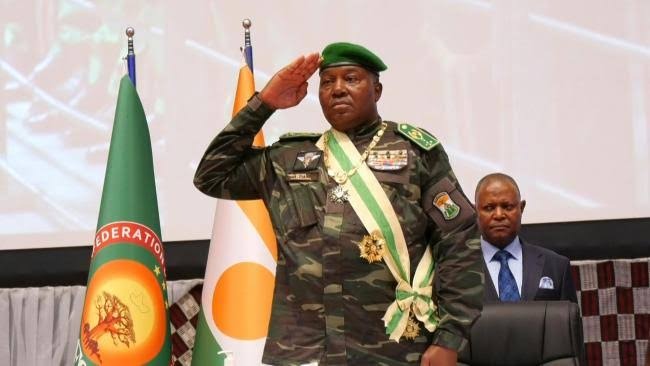
The Nigerien junta’s abrupt decision to halt fuel price hikes isn’t a concession to public pressure—it’s an acknowledgment of its own crumbling authority. After July 2023’s coup toppled President Mohamed Bazoum, General Abdourahamane Tiani’s regime has clung to the illusion of control, but the about-turn on petrol prices exposes a regime teetering on the brink of systemic collapse.
What the fuel price freeze reveals about Niamey’s power struggle
The volte-face wasn’t just a policy U-turn—it was a political humiliation. The briefest glance at the aftermath of last month’s Council of Ministers meeting tells the story: the junta’s own economic advisers, backed by the Ministry of Petroleum, had advocated a “measured increase” to ease the strain on state coffers. General Tiani, however, opted for retreat, siding with protesters instead of his inner circle. This reversal marks the first time the regime has blinked in the face of mass discontent, revealing fractures in a leadership that once projected unshakable resolve. Equality across the ranks is now a myth; loyalty is negotiable.
Desperate times call for desperate measures
Once hailed as a necessary dose of financial discipline, the junta’s rigid austerity narrative crumbled under the weight of public anger. August’s unrest—a harbinger of deeper instability—forced the regime to confront the limits of its coercive power. The fuel price freeze wasn’t a policy decision; it was a survival tactic. With state finances bleeding red ink and the specter of social contagion looming, Niamey’s rulers are no longer steering events—they’re scrambling to stay afloat.
Hidden costs of an artificial price freeze
Blocking prices at the pump won’t fix Niger’s economic maelstrom. In reality, the move is a band-aid on a hemorrhage:
- Underground markets flourish: Even if official prices remain frozen, fuel scarcity in border regions like Diffa, Agadez, and Tahoua drives up smuggling and black-market rates, widening the welfare gap between urban elites and rural communities.
- Oil sector opacity deepens: Calls for transparency in state-owned fuel distributor SONIDEP have vanished into silence. Meanwhile, rapid shuffles at the Ministry of Petroleum—coupled with shadowy redeployments—suggest a frantic struggle to control the country’s lifeblood: energy profits.
An unsustainable stalemate looms
The freeze buys time, but not salvation. Niger’s next storm is already gathering:
- Looming food shortages: Failed harvests and spiraling cereal prices threaten a famine reminiscent of 2022’s Sahel-wide crisis.
- Energy subsidies hemorrhage billions: Blocking fuel prices postpones collapse, but the cost of those subsidies now rivals the national education budget.
- Security vacuum widens: As economic despair chokes the capital, armed factions exploit the void, particularly in Tillabéri and Maradi where roadblocks and raids have surged.
The junta’s gamble won’t hold. Every concession today is a loan against tomorrow’s crisis, and Niger’s next explosion may not be economic—it may be existential.
The junta’s false economy
By freezing fuel prices, General Tiani has traded long-term stability for short-term calm. But the arithmetic is unforgiving: flat prices drain state revenues, fuel smuggling erodes formal markets, and public trust evaporates. The regime’s survival now hinges on a paradox—continued repression to silence dissent, and continued subsidies to placate the masses. Neither strategy can last. The clock is ticking, and the generals of Niamey are running out of road.