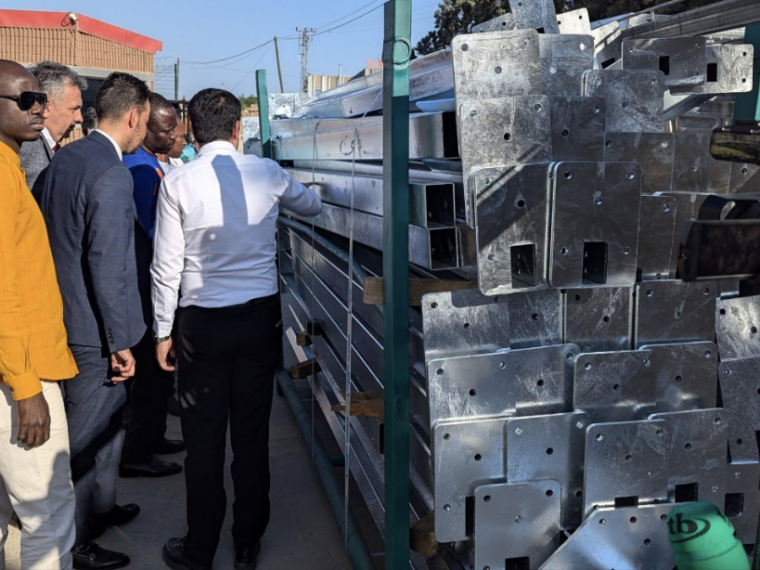
The construction of Koudougou’s new 15,000-seat stadium is advancing, but key financial details remain undisclosed. As part of Burkina Faso’s broader sports infrastructure development plan, the project promises to boost local athletics and youth training. Yet, without clear funding transparency, public scrutiny persists over who ultimately bears the costs.
Who is behind the project’s execution?
The stadium’s construction is reportedly led by Turkish firm Integral Sport, in partnership with Burkina Faso’s Faso Mêbo Agency. Both entities are also involved in the 15,000-seat Léguéma stadium project in Bobo-Dioulasso, signaling a potential standardization in sports facility development across the country.
The specifics of their collaboration—whether Integral Sport is solely responsible for construction or contributes financially—remain undisclosed. Official statements have yet to clarify the company’s exact role in the project’s funding structure.
Unanswered questions about project financing
Under Burkina Faso’s Initiative présidentielle pour la relève et la promotion de l’élite sportive (IP-RELIS), the stadium was greenlit as a cornerstone for sports excellence. However, publicly available documents fail to specify:
- The total estimated construction cost
- The primary source(s) of funding
- Whether financing is entirely public, privately backed, or a hybrid model
- Potential involvement of international lenders or investors
Without access to signed contracts or official financial disclosures, public oversight remains limited.
Faso Mêbo and the government’s role
Faso Mêbo, a government-linked agency, is tasked with overseeing the stadium’s implementation. Yet its financial contribution—if any—has not been detailed. The Burkinabè state, while championing the project, has not confirmed whether its budget will fully cover expenses. Such ambiguity raises concerns about accountability in public spending.
The need for financial transparency
For projects of this scale, transparency in funding is critical to ensure public trust. Citizens deserve clarity on:
- How taxpayer funds are allocated (if applicable)
- Budgetary allocations and disbursement schedules
- The identity of financial partners, if international funding is involved
- Contract terms with Integral Sport and Faso Mêbo
The absence of this information does not imply impropriety but underscores the need for open communication from authorities.
What’s next? Clarity from official sources
The Sports Ministry, IP-RELIS leadership, Faso Mêbo, and Integral Sport must provide definitive answers on:
- The finalized construction contract and its budget
- The procurement process and selected funding model
- Any foreign investment or loan agreements
Until these details are disclosed, the stadium’s financial blueprint—and its broader socioeconomic impact—remain speculative. The project’s success hinges not just on its completion but on the legitimacy of its funding sources.
