Bénin makes strategic economic push at Moscow summit
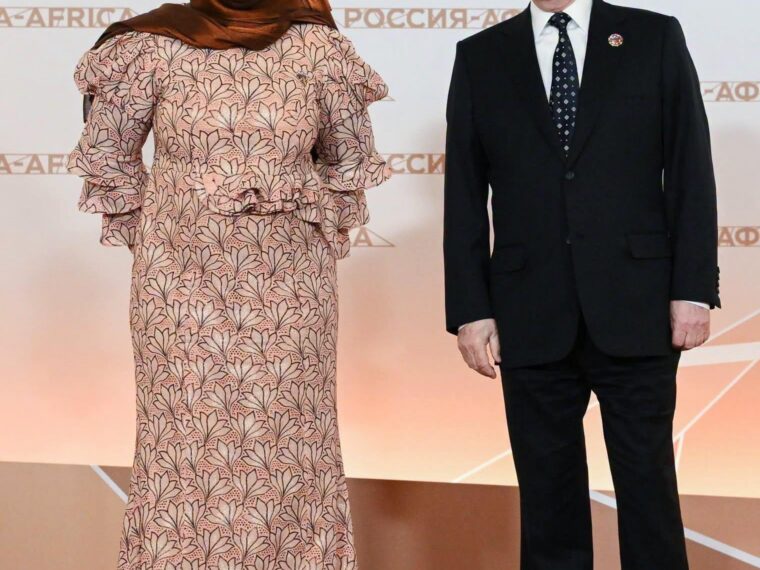
The Vice President of Bénin, Mariam Chabi Talata, led the country’s delegation at the 2026 Russia-Africa Summit, securing key commitments to strengthen economic cooperation with Russia. The two-day event, held in late October, positioned Cotonou as a proactive player in reshaping Africa’s trade alliances while defending national economic interests.
Diplomatic legacy meets modern economic ambitions
Bénin’s ties with Moscow stretch back decades, rooted in diplomatic relations established in 1962. Decades of cooperation in education, healthcare, and defense forged a durable partnership, with thousands of Béninois professionals trained in Soviet universities. Now, the country is leveraging this historic foundation to modernize economic ties.
During her official meetings in the Kremlin, Chabi Talata emphasized aligning this legacy with today’s economic priorities. The goal: transitioning from traditional exchanges to high-value investments that stimulate local growth and reduce dependency on unequal trade models.
Moscow summit delivers tangible economic commitments
The 2026 summit provided a platform to reassess the Russia-Africa Action Plan (2023–2026) and outline cooperation plans for 2027–2029. Bénin’s focus was clear: securing investments that align with Cotonou’s broader economic transformation agenda. Unlike past summits, this edition prioritized mutually beneficial partnerships—targeting sectors where Russian expertise and Béninois resources could combine for mutual gain.
Key areas of collaboration
- Agriculture and food security: Joint ventures to modernize Bénin’s agricultural sector, boost exports, and improve food production.
- Energy infrastructure: Discussions on Russian-backed projects to expand renewable energy and grid reliability.
- Healthcare and education: Strengthening training programs for Béninois professionals in Russian institutions.
Chabi Talata advocates for equitable economic models
In high-level forums and bilateral meetings, the Vice President reiterated that Africa must demand more than one-sided trade arrangements. Instead, she pushed for partnerships that create local value—ensuring that Bénin’s economic engagement with Russia translates into jobs, technology transfers, and sustainable development.
The summit’s final declaration and renewed action plan are expected to cement these priorities. For Bénin, the outcome marks a strategic step toward economic diplomacy rooted in national development—a model that could influence future African negotiations with global partners.
What’s next for Bénin-Russia economic ties?
The Moscow summit concluded with a roadmap for 2027–2029, but implementation will be critical. Cotonou is now tasked with finalizing agreements, securing funding, and ensuring that projects deliver measurable benefits to Béninois citizens. With Chabi Talata at the helm, the country is positioning itself as a leader in crafting smarter, fairer economic alliances in a shifting global order.