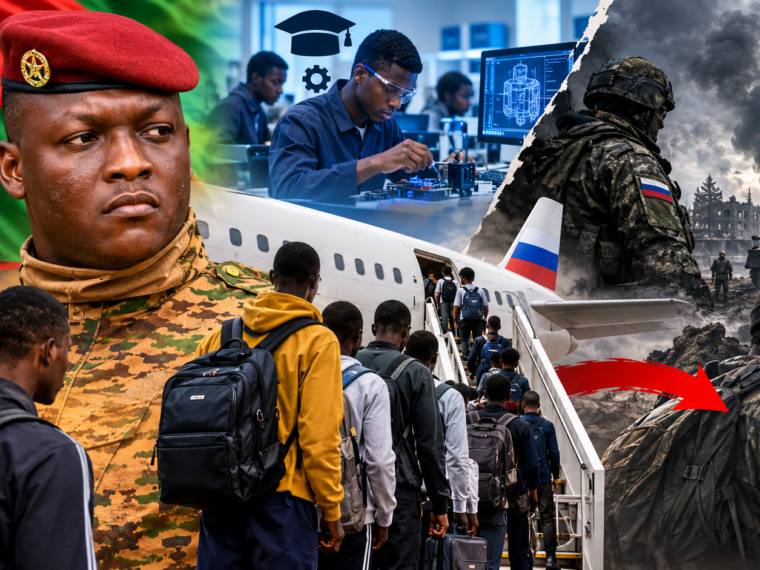
Russia-bound for advanced training: a gift or a gamble for Burkina Faso’s youth?
When Burkina Faso’s interim leader, Captain Ibrahim Traoré, announced plans to send young citizens to Russia for advanced technological training, the move was framed as a bold investment in the nation’s future. But beneath the promises of cutting-edge education lies a far more troubling question: what awaits these students in a country deeply embroiled in a prolonged war?
From national sovereignty to foreign exposure: a sudden shift
Traoré’s proposal stands in stark contrast to his earlier rhetoric, which emphasized the urgent need to develop technological and educational capacity within Burkina Faso itself. Where once the focus was on building a self-sufficient future through local training programs and research institutions, foreign training particularly in a war-torn nation like Russia now appears to be the preferred path. This abrupt reversal raises critical concerns about the government’s priorities and the real motives behind this initiative.
What type of training are we talking about?
Officials have yet to provide detailed answers about the nature of the training programs. Will these students learn engineering, computer science, or other high-demand fields? Or will the curriculum prioritize military-linked technologies that blur the line between civilian education and combat readiness?
The shadow of Russia’s war economy
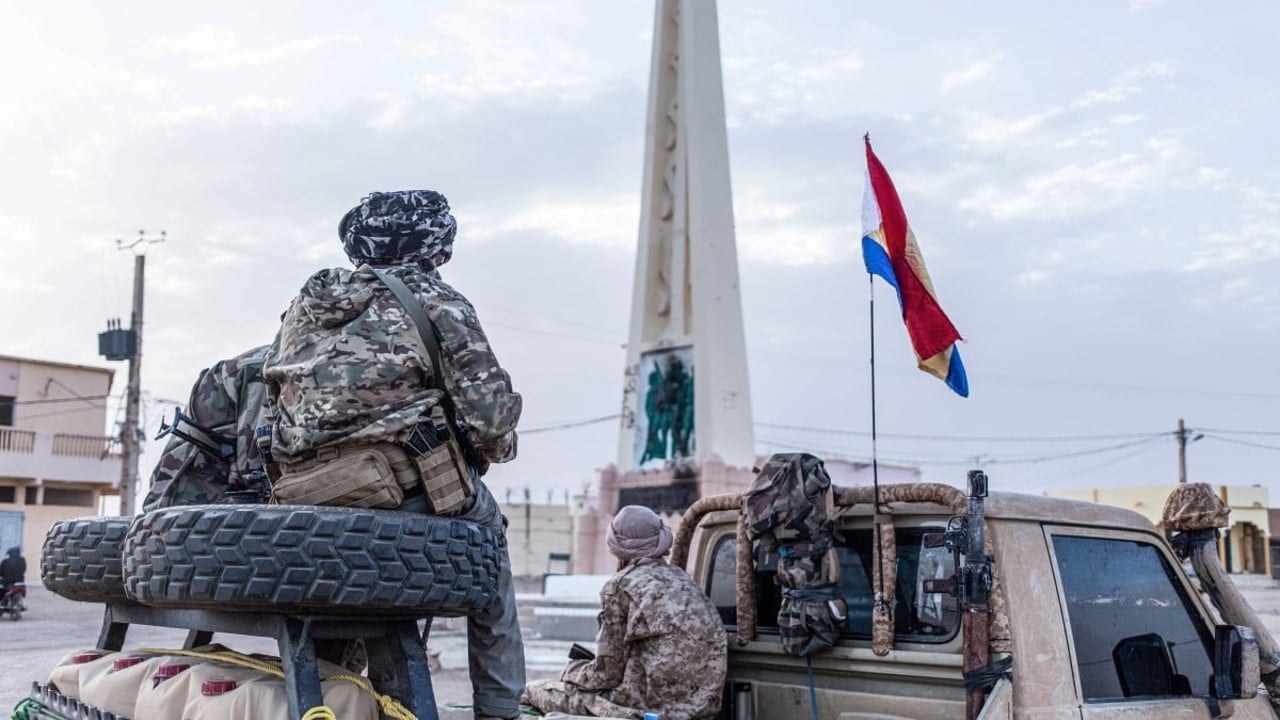
Russia’s heavy involvement in the Ukraine conflict has led to a well-documented expansion of its military-industrial workforce, which increasingly relies on foreign labor. Reports from international media have highlighted cases where African nationals recruited under the guise of technical or vocational training were later deployed in combat roles. These precedents underscore the real risks that Burkina Faso’s youth could face.
Unanswered questions: where are the guarantees?
For a program of this magnitude to be considered credible, transparency is non-negotiable. Families in Burkina Faso deserve clear answers to pressing questions:
How many young people will be involved, and what age range do they fall into?
Which Russian institutions will provide the training, and what curricula have been agreed upon?
What diplomas or certifications will students receive upon completion?
Will their return to Burkina Faso be guaranteed, and under what conditions?
What legal protections are in place to prevent their conscription into military service?
Without such assurances, the program risks becoming little more than a state-sponsored venture with unpredictable consequences.
Broken promises: the contradiction in Traoré’s agenda
This initiative contradicts Traoré’s earlier statements, in which he championed the idea of investing in Burkina Faso’s own educational infrastructure to cultivate homegrown talent. If the nation possesses the resources and political will to train its youth locally, why bypass domestic institutions in favor of foreign programs that carry significant risks?
The government’s sudden pivot toward Russian training raises serious doubts about its commitment to self-reliance. Are there structural weaknesses in Burkina Faso’s education and research sectors that this deal is meant to temporarily address? Or does this decision reflect deeper strategic realignments with Moscow that place ordinary citizens in harm’s way?
Protecting youth or exploiting their potential?
The stakes could not be higher. The families of these young students will rightly expect that their children are being prepared for careers that contribute to Burkina Faso’s prosperity not as pawns in a distant conflict. The government must demonstrate that this program is designed with their safety as the top priority, not as an afterthought.
Civil society leaders and education advocates have already begun to scrutinize the plan, calling for public consultations and independent oversight. Their concerns are valid: in a country still grappling with instability, sending its brightest abroad without ironclad guarantees is a reckless gamble.
A call for clarity and accountability
The Burkinabè people deserve to know whether this training initiative is truly about empowering their youth or if it is another example of a government prioritizing geopolitical alliances over the well-being of its citizens.
Until concrete answers are provided, the program remains shrouded in uncertainty a dangerous precedent for a nation that has repeatedly stressed the importance of self-determination and sovereignty.
By Thomas Nkoulou — Journalist