Twelve months after the introduction of the human papillomavirus (HPV) vaccine, Mali is seeing a positive shift in public health. From the bustling streets of Bamako to rural communities, 10-year-old girls are increasingly coming forward for protection against cervical cancer. Despite lingering hurdles like misinformation and logistical difficulties, healthcare providers and local families are celebrating this vital step forward for women’s health.
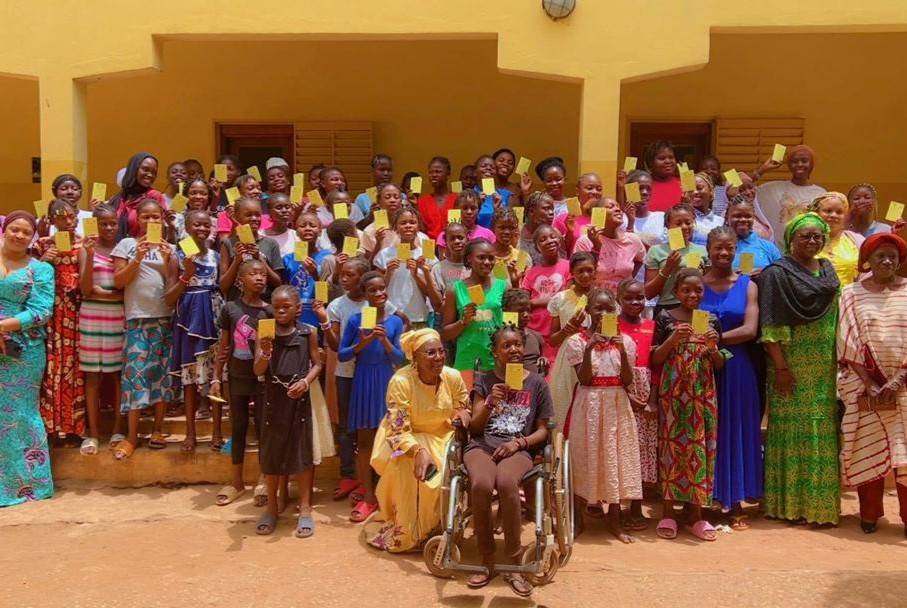
In the Korofina district of Bamako, midwife Amin Dem recently led a community awareness session. She noted that while initial fear was high among both children and parents, consistent education has turned the tide. According to her, the most persistent myth is that the vaccine impacts future fertility. “When we take the time to explain the facts in their own language, the parents understand,” she says.
A major leap in disease prevention
Launched in November 2024, the HPV vaccine rollout represents a historic turning point for Mali. Utilizing a single-dose schedule for full protection, the program reached over 145,000 girls aged 10 between January and September 2025. While roughly 113,000 of these girls were reached through schools, another 32,400 out-of-school girls also received the shot. Authorities emphasize that reaching this latter group is essential to ensure no one is left behind.
Dr. Ibrahima Téguété, a specialist at the Point G University Hospital, believes this progress aligns Mali with the WHO’s 90-70-90 targets: vaccinating 90% of girls, screening 70% of women, and treating 90% of those with lesions. “The vaccine allows us to focus on primary prevention,” he notes, though he admits that expanding treatment facilities like radiotherapy remains a challenge.
Community mobilization as a catalyst
The success of the campaign relies heavily on civil society. In Bamako, the NGO Solidaris223 has been active in every commune. Amina Dicko, the organization’s president, says mothers are now actively seeking out vaccination sites for their daughters. Similarly, at the Djiguiya Center, dozens of resident girls were vaccinated in a single day without any reported side effects.
The impact is felt by the girls themselves. Awa, 10, admitted she was nervous about the needle but felt happy knowing she is protected for the future. Dr. Téguété observes that the rapid use of initial vaccine stocks proves there is a strong collective will to succeed.
Addressing remaining resistance and logistics
While skepticism is decreasing, rumors about infertility still circulate. “Some people spread lies to cause harm, but they are entirely false,” Dr. Téguété explains. Midwife Amin Dem sees the change daily as more mothers arrive at clinics specifically asking for the HPV shot after receiving clear information.
Logistics also remain a hurdle, particularly in regions like Mopti and Gao where road travel is difficult due to security. To overcome this, vaccines are sometimes transported by air to regional hubs. The program remains free for all 10-year-old girls, supported by the State and partners like Gavi. This ensures that even those in the most remote areas have equitable access to health services.
Hope for the future of Malian women
Mali’s efforts to fight cervical cancer are not new. Between 2016 and 2022, the Weekend 70 initiative helped raise screening rates in Bamako from 15% to over 70%. However, the fight against misinformation continues. Dr. Téguété credits religious leaders for their role in reassuring families and building trust in the vaccine.
Healthcare professionals remain optimistic. Amin Dem notes that people are now coming to her with questions rather than avoiding the subject. As the program matures, the goal is to vaccinate all girls between the ages of 9 and 14 over the coming years. As Dr. Téguété concludes, every girl who receives the vaccine represents a woman’s life saved in the future.