Mali protests in Bamako against potential political party dissolution
Current events.
Hundreds of Malians took to the streets of Bamako on May 3 to voice their opposition against a possible dissolution of political parties and to champion democratic values. This rare public demonstration unfolded in an increasingly repressive climate under the leadership of military authorities.
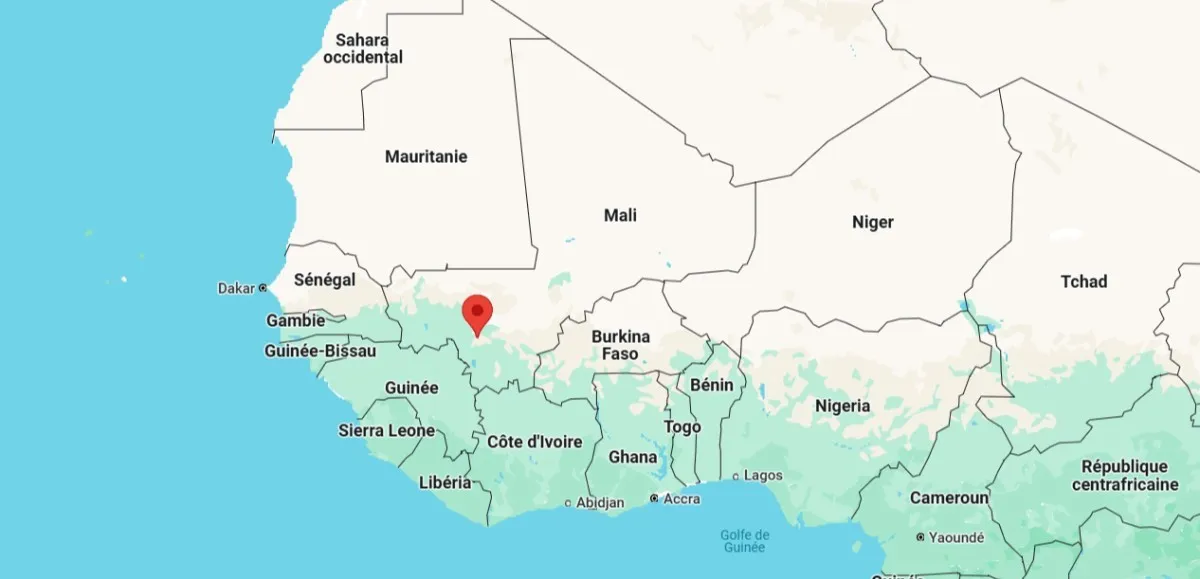
“Long live democracy, down with dictatorship!” echoed through Bamako’s Palais de la Culture on May 3, as hundreds gathered to protest against the military junta’s rumored plan to dissolve political parties. This unprecedented mobilization reflects deep concerns over a potential authoritarian shift under the leadership of General Assimi Goïta.
Protesters marched with banners and flags, demanding elections and the restoration of fundamental freedoms. The demonstration, closely monitored by security forces, gained significant traction on social media platforms.
Mounting political repression
On April 30, 2025, authorities repealed the law governing political parties—a move widely interpreted as a precursor to their dissolution. This decision followed a junta-led consultation, which most opposition parties boycotted.
The resulting recommendations, deemed unrepresentative, go further: they propose abolishing political parties entirely and extending General Goïta’s presidency by five years, renewable without elections.
The final decision rests with General Goïta, who has led Mali since the 2020 and 2021 coups.
Democracy under siege
This protest stands as one of the few public acts of defiance against the military regime since 2021. Since seizing power, authorities have intensified crackdowns on dissent, dissolving civil organizations and silencing the press.
Yet Mali’s 1992 Constitution and the 2023 Fundamental Law both uphold multiparty democracy, freedom of expression, and association.
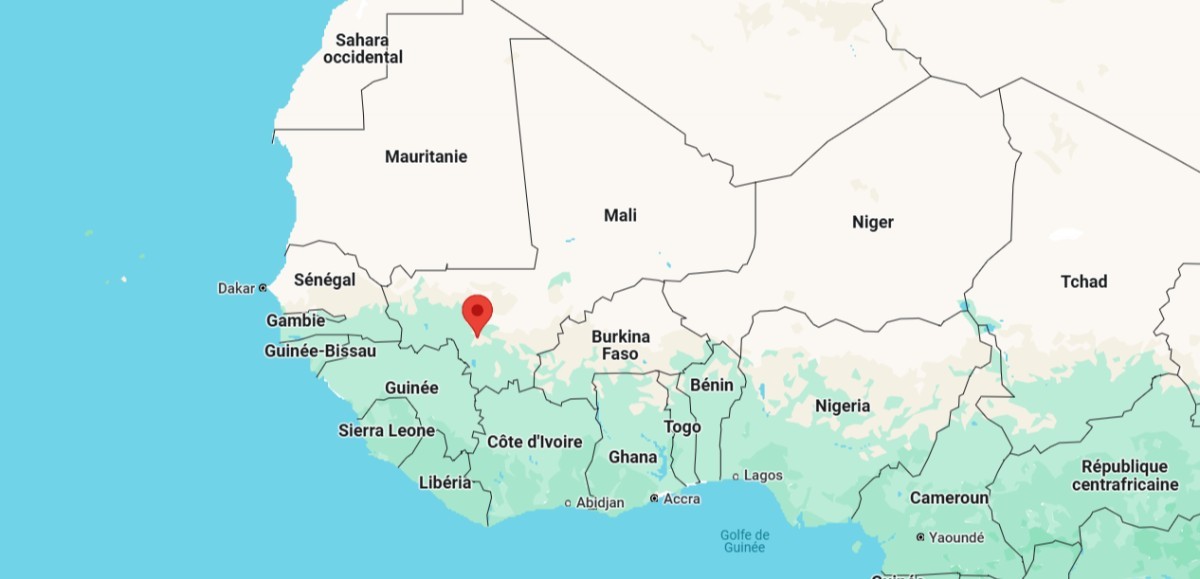
The country, alongside Burkina Faso and Niger, withdrew from ECOWAS, perceived as aligned with France, and formed the Alliance of Sahel States (AES), strengthening ties among West African military-led governments.