Assimi Goïta assumes defense portfolio as Mali’s security crisis deepens
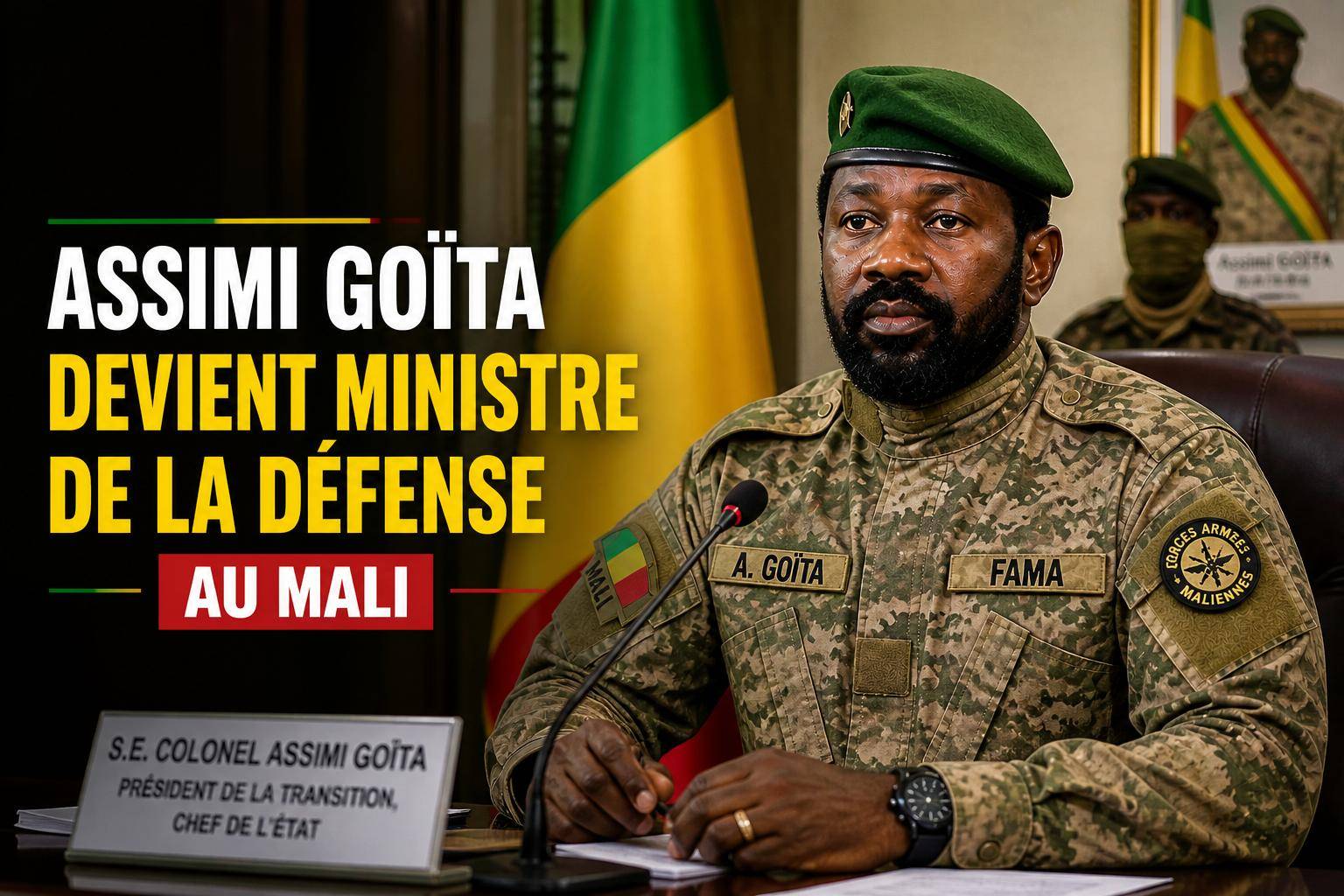
In a bold, yet controversial move, Colonel Assimi Goïta has officially taken on the role of Minister of Defense alongside his presidential duties, further consolidating power in Bamako. This administrative shift transcends mere bureaucratic reshuffling—it underscores the Malian government’s struggle to maintain control over a military strategy that appears increasingly faltering. The recent loss of Kidal to the JNIM and CMA/FLA coalition has exposed the fragility of Bamako’s security apparatus, while the controversial partnership with Russian paramilitary forces raises serious questions about long-term viability.
Kidal: from symbolic victory to strategic failure
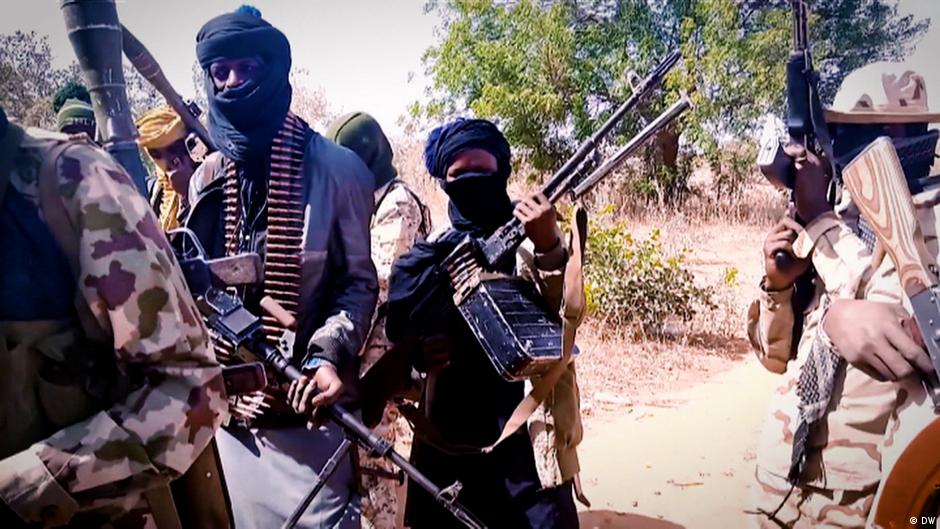
The recapture of Kidal was once hailed as a triumph of Mali’s transition and a testament to regained sovereignty. Yet, the insurgent takeover just months later has shattered that narrative. The city’s fall to JNIM and pro-Azawad factions reveals critical weaknesses in Mali’s counterterrorism efforts. Despite official claims of military progress, the Malian army has failed to sustain control over key territories. The absence of civilian administration and persistent security vacuums have allowed jihadist and rebel groups to regain ground rapidly, turning temporary gains into lasting setbacks.
Wagner’s fading influence in Mali’s war
The Malian government’s reliance on Russian-backed forces, including the rebranded Africa Corps, was marketed as a sovereign alternative to Western security partnerships. However, the results have fallen short of expectations. Russian advisors, while present on critical fronts, have employed aggressive tactics that often backfire, fueling local resentment and insurgent recruitment. Reports of human rights abuses further tarnish their reputation. More critically, their operational effectiveness has been called into question, as Malian military convoys continue to fall victim to deadly ambushes. With Russia embroiled in its own conflict in Europe, doubts persist over Moscow’s ability to provide Mali with the aerial and logistical support needed to counter JNIM’s mobility and resilience.
Regional isolation and the cost of self-reliance
Mali’s decision to withdraw from ECOWAS and form the Alliance of Sahel States (AES) was framed as a move toward greater autonomy. Yet, the reality is far more complex. Terrorism knows no borders, and the country’s diplomatic isolation has left it without crucial regional intelligence-sharing mechanisms and logistical support. Neighboring nations view Goïta’s power consolidation as a sign of authoritarian hardening, complicating efforts at dialogue and cooperation. Mali now faces a paradox: it seeks to assert sovereignty through military force but remains dangerously dependent on opaque external alliances and a command structure centered on a single leader.
The looming specter of prolonged conflict
The consequences of this crisis are most severe for civilians in central and northern Mali. Despite leadership changes and shifting geopolitical alliances, insecurity continues to spiral. Attacks on military and civilian convoys have become alarmingly routine, while the government’s heavy-handed approach risks stoking social unrest. History offers stark warnings: concentrated power often precedes instability. To break the cycle, Mali must reassess its strategy. Relying solely on brute force and mercenary partnerships has proven insufficient. A sustainable solution will require inclusive governance, a return to territorial reoccupation through social programs, and a departure from the current reliance on divisive military tactics. The time for bold political realism is now—before the sands of the Sahel bury Mali’s fragile statehood entirely.