The transitional government in Mali, which has leaned heavily on military collaboration with Moscow to restore peace, faces a mounting security crisis as of April 25. While an evacuation deal is reportedly being negotiated between Russian paramilitary forces and rebel factions in Kidal, violent clashes have flared anew in Kati—just kilometers from the capital. These developments cast serious doubt on the effectiveness of the “all-military” strategy, bolstered by Russian mercenaries, that Bamako has relied upon.
Diplomatic maneuvering in Kidal: a fragile ceasefire amid uncertainty
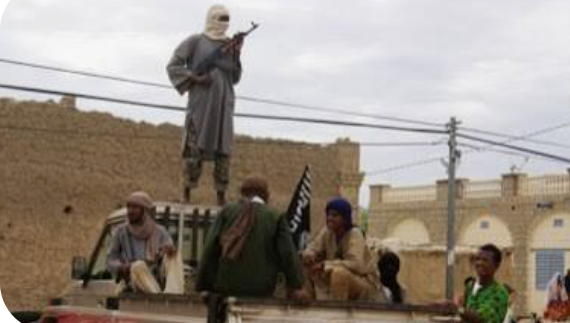
The northern region of Kidal has become the stage for a sudden shift in the conflict dynamic. According to multiple reports, an informal agreement has been reached between Tuareg rebel groups and Russian-affiliated forces, allowing for the safe withdrawal of the latter from certain areas in the Kidal region. While the stated goal is to reduce civilian casualties, the arrangement reveals a harsh truth: external military intervention—whether from Western partners in the past or Russian forces today—has struggled to bring lasting stability to Mali’s complex conflict zones.
For Bamako, which had framed the recapture of Kidal as a cornerstone of national sovereignty, witnessing its Russian allies negotiate a withdrawal is a stark admission of failure. The move underscores the limitations of foreign military support in a terrain where local grievances and historical tensions run deep.
Kati: where security collapses at the heart of power
While attention has been focused on the North, the situation in Kati—a strategic garrison town just 15 kilometers from Bamako—has deteriorated sharply. Kati is no ordinary military base; it is the nerve center of Mali’s current political order, where critical decisions are made. The resurgence of fighting in this high-security zone signals a dangerous escalation: insecurity is no longer confined to remote border areas but is now encroaching on the very seat of government. This reversal comes despite promises of a strengthened Malian army and enhanced logistical support from Russia.
Why the Russian security model is failing in Mali
The deployment of the Wagner Group—now integrated into the Africa Corps—was touted as a game-changer in the fight against terrorism and insurgency. Yet, after years of joint operations, the results are underwhelming. Insurgent activity continues to spread, and violence is creeping closer to urban centers. This failure highlights a critical flaw: brute force alone cannot resolve a conflict rooted in political marginalization and weak governance. Moreover, by pivoting away from traditional regional and international allies in favor of a single foreign partner, Mali has locked itself into a military dependency that delivers diminishing returns on the ground.
Russia, driven by its own geopolitical ambitions, appears ill-equipped to address the Sahel’s asymmetric warfare challenges, which demand sophisticated intelligence networks and strong community engagement—not just firepower. The current approach lacks the nuance required to build trust or foster long-term stability in communities torn apart by years of conflict.
A call for a new security paradigm
The recent events in Kidal and Kati serve as a sobering reminder: security cannot be purchased through mercenary contracts alone. The inability to secure Kidal through force and the vulnerability exposed in Kati expose a harsh reality that Mali’s transitional leaders can no longer ignore. A purely military solution—especially one outsourced to external actors—is unsustainable. Without a shift toward inclusive governance, community-based reconciliation, and a holistic defense strategy, Mali risks sinking deeper into a cycle of violence that even its new allies cannot break.