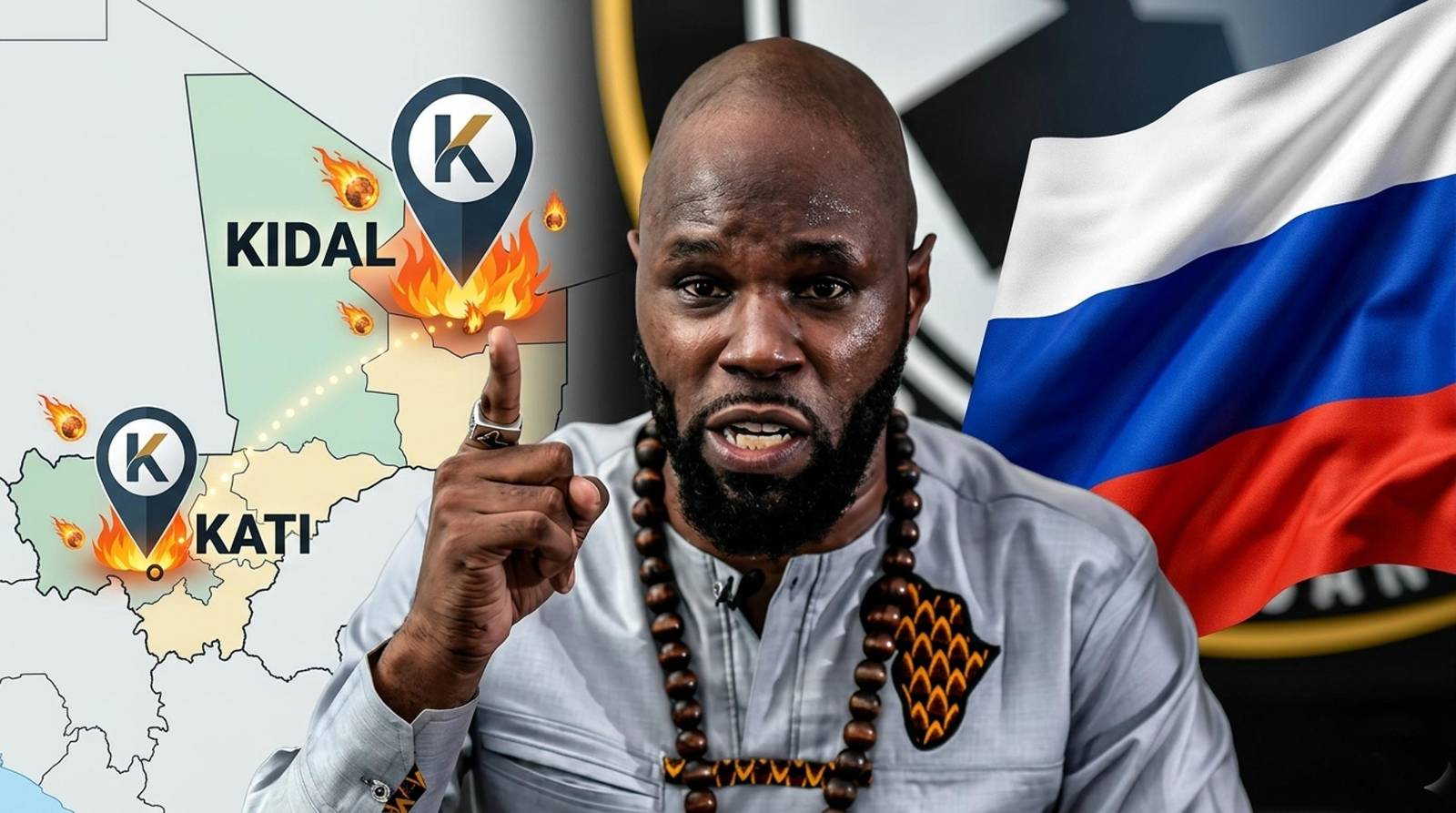
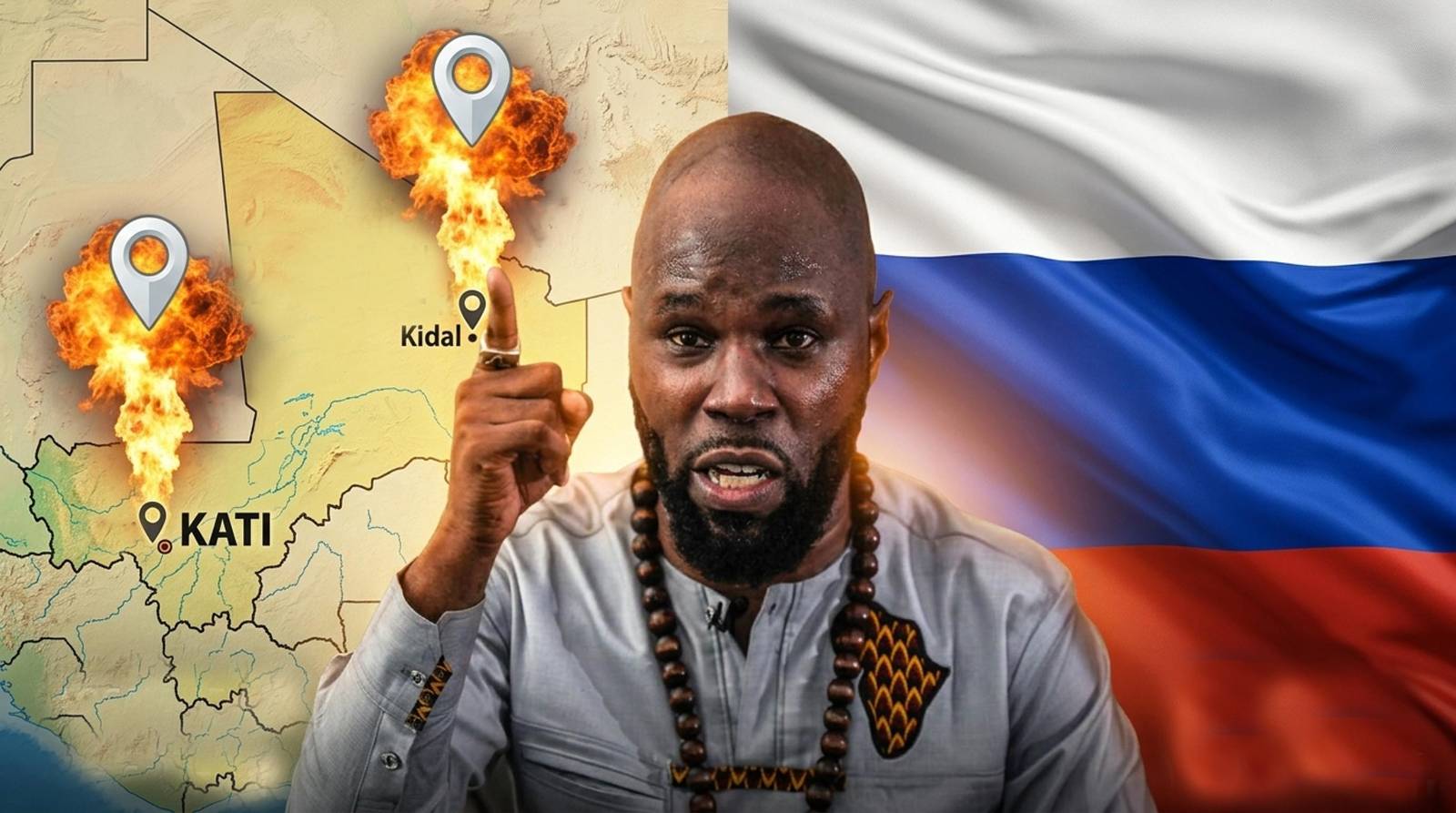
The narrative of a “liberation from the East” is crumbling as artillery shakes the very heart of Mali’s military power. On April 25, 2026, the town of Kati—home to Bamako’s ruling junta—echoed with explosions, while Kidal faced renewed assaults, exposing the harsh truth: the much-touted Russian partnership is faltering spectacularly.
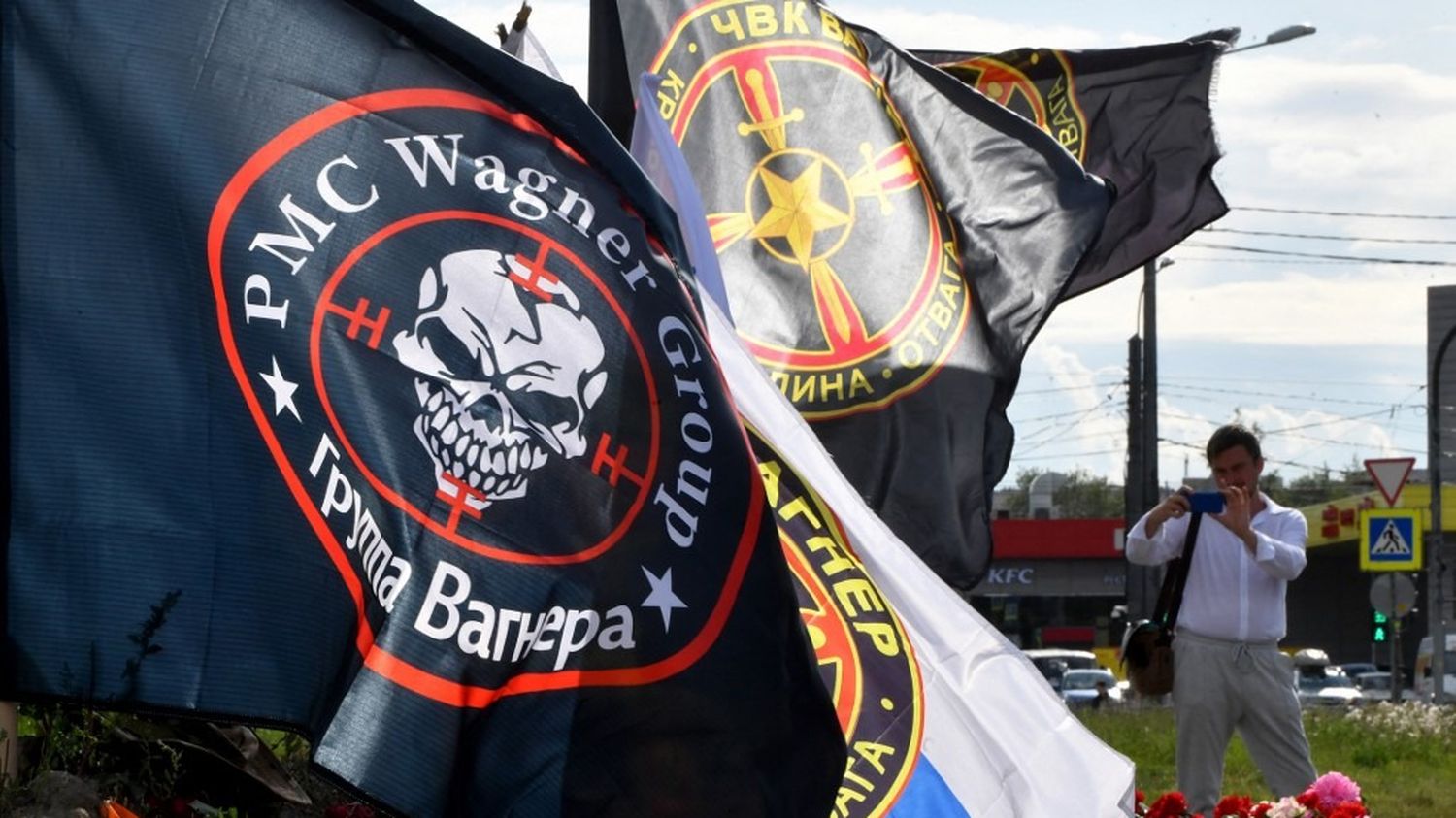
Once hailed as the silver bullet against armed groups, the alliance now lies exposed. Instead of delivering promised security, the Wagner-linked Africa Corps has shown glaring weaknesses, and even Kemi Seba, the outspoken panafricanist activist, is scrambling behind the scenes. WhatsApp leaks reveal Seba privately dismissing Moscow as an “opportunistic colonizer”, a far cry from his public bravado.
the myth of instant security
For months, officials touted Russian “instructors” as the solution to Mali’s insurgency crisis. Yet today, coordinated attacks are deadlier than ever—burned armored vehicles litter the landscape, and frontline bases remain under relentless pressure. The all-military strategy with Moscow has not only failed to secure new territory but has also alienated key allies without delivering tangible results.
seba’s reckoning: from pan-africanism to pragmatism
Kemi Seba, the face of anti-Western rhetoric, once rallied young Africans behind the idea of a Russian savior. But leaked audio files tell a different story. In private, he admits Moscow trades “security for gold”, offering only mercenaries and weapons in exchange for access to Mali’s mineral wealth. His blunt assessment? “The Russians behave like new colonizers—sooner or later, they’ll be shown the door.”
Seba’s shift from ideological cheerleader to reluctant critic underscores a harsh reality: the partnership was never about Mali’s stability. It was a transactional deal where promises of protection were quietly shelved while Moscow secured its economic interests.
the cost of misplaced trust
The consequences are dire. Civilians and soldiers bear the brunt of failed strategies, with attacks growing bolder and more frequent. The illusion of a “plug-and-play” security solution has collapsed, leaving Bamako with no credible fallback. As Seba scrambles to distance himself from the debacle, the junta faces a reckoning: switching one master for another doesn’t end the war—it only changes the name on the invoice.