Addressing Touareg grievances could stabilize Mali’s security crisis
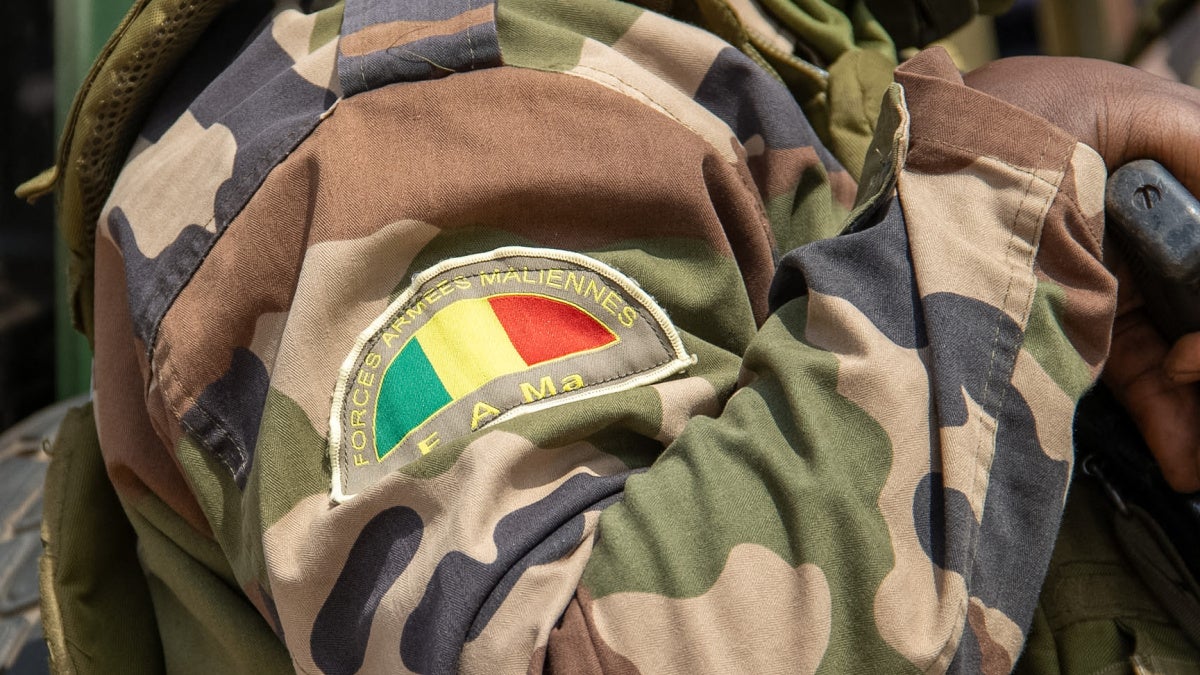
The already fragile security situation in Mali worsened dramatically in late April 2026 when coordinated attacks struck multiple cities, resulting in the deaths of the Defense Minister, Sadio Camara, and several Malian soldiers.
These incidents mark a dangerous escalation in a years-long pattern of violence against state institutions and military forces across the country. Our extensive research on insecurity and political dynamics in West Africa and the Sahel region—spanning over a decade—indicates that the roots of this violence lie in unaddressed grievances held by the Touareg community. An indigenous Berber nomadic group native to northern Mali, the Touareg have long expressed frustration over political marginalization, economic inequality, and cultural neglect.
Underlying causes of Mali’s conflict
Three core issues have fueled the current cycle of violence:
Unmet political and cultural demands: The Touareg seek greater autonomy, recognition of their distinct identity, and meaningful participation in national governance. Successive Malian governments have systematically sidelined these demands, often through repression rather than dialogue.
Militarization without resolution: Military operations in northern regions, frequently deployed to suppress rebel movements, have caused significant civilian harm. These harsh tactics have eroded trust in the state and inadvertently driven some communities toward armed groups.
Economic neglect of the north: Despite abundant natural resources—including gold deposits, salt mines, fertile grazing lands, and critical trade routes—the northern regions receive disproportionately little investment. Revenue from these assets flows predominantly to southern centers of power, leaving the north economically marginalized and politically disempowered.
Recent escalations and historical parallels
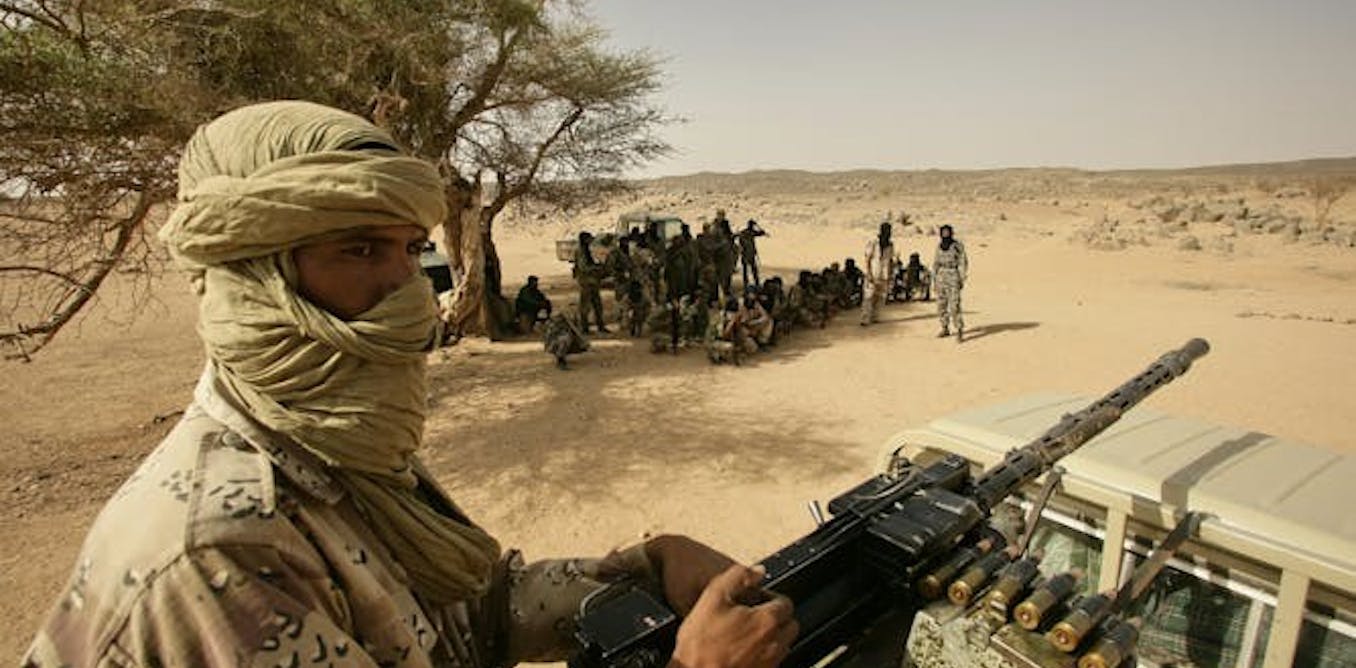
In April 2026, the Group for the Support of Islam and Muslims (JNIM) joined forces with the Azauad Liberation Front (FLA), a Touareg separatist movement, to launch coordinated assaults on key cities. This mirrors a similar crisis in 2012, when a coalition of Touareg rebels and Islamist militants—including affiliates of Al-Qaeda—launched an offensive that nearly toppled the state.
The National Movement for the Liberation of Azawad (MNLA), a predominantly Touareg separatist group founded in 2011, played a central role in the 2012 rebellion. Composed largely of former Libyan fighters and northern Mali’s Touareg population, the MNLA reached a peak strength of approximately 10,000 fighters. However, lacking sufficient military capacity to hold territory, it forged temporary alliances with Islamist factions such as Ansar Dine, Al-Qaïda in the Islamic Maghreb (AQMI), and the Movement for Oneness and Jihad in West Africa (MUJAO).
After briefly seizing control of major northern cities like Gao, Timbuktu, and Kidal, internal rifts led to the Islamists’ expulsion of their erstwhile allies. The French military intervention in 2013 helped the Malian government regain lost territory, pushing the Islamists into remote desert and mountain strongholds. There, they adopted guerrilla tactics, including suicide bombings and landmine warfare.
The withdrawal of French forces in 2022 removed a key counterterrorism pressure point, creating a security vacuum. Weak state institutions, disrupted intelligence networks, and reduced operational support emboldened Islamist groups, enabling them to expand recruitment, consolidate territorial influence, and intensify attacks across central and northern Mali.
Structural failures and missed opportunities
The current military regime under Assimi Goïta has failed to address the Touareg question. Since independence in 1960, the Malian state has consistently excluded northern elites from meaningful political participation. The Touareg argue that the national framework does not reflect their political identity, economic interests, or traditional governance systems. Calls for autonomy or self-rule have repeatedly been met with force rather than negotiation.
Environmental pressures—such as prolonged drought, desertification, and erratic rainfall—have further devastated the livelihoods of pastoralist communities. These long-standing grievances predate the rise of Islamist insurgencies and remain central to understanding the broader conflict.
Another critical issue is the collateral damage caused by counterterrorism operations. Reports highlight widespread civilian casualties, mass displacements, and collective punishments—including arbitrary arrests and mass killings—in northern and central regions. These abuses have driven local populations toward militant groups, which exploit such grievances to recruit fighters and legitimize their presence.
The unequal distribution of resources has compounded the crisis. Since independence, public investment, infrastructure development, and social services have been disproportionately concentrated in southern regions. Despite promises of decentralization, peace accords have seen minimal implementation, leaving northern communities economically isolated and politically disenfranchised.
Pathways to sustainable peace
Resolving the Touareg question is essential to reducing national tensions. While some Touareg factions have aligned with jihadist groups—despite the strategic costs—this does not diminish the urgency of addressing structural inequalities and historical injustices.
A viable model can be found in neighboring Niger, where President Mahamadou Issoufou implemented policies that integrated Touareg leaders into state institutions, decentralized authority, and launched disarmament and reintegration programs. His administration also invested in pastoralist infrastructure, improved water access, enhanced education, and strengthened rural connectivity and road safety.
By adopting a similar approach, Mali could begin to restore trust, promote inclusive governance, and redirect the conflict away from rebellion toward political participation and sustainable peace.