The night that tested Mecca’s unbreakable fortress
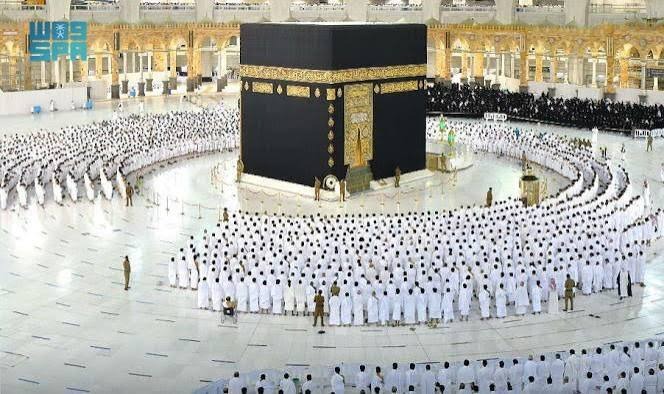
In the quiet hours between Thursday and Friday, the spiritual heart of Islam nearly faced an unprecedented crisis. As nearly 20,000 worshippers moved in solemn circumambulation around the Kaaba during their Tawaf ritual, an unexpected disturbance sent shockwaves through Masjid al-Haram. What began as a routine security enforcement escalated into a global frenzy, with viral footage and sensational claims suggesting a bomb threat at the most sacred site for over 1.8 billion Muslims.
From local disturbance to worldwide alarm
Around 11 PM local time, the serene flow of pilgrims came to an abrupt halt. Shouts echoed near one of the main entrances to the central esplanade. Within minutes, heavily armed security personnel and plainclothes agents converged on an individual behaving erratically. From upper gallery vantage points, smartphone cameras captured the chaos: a sudden surge in the crowd, frantic retreats, and emergency services sealing off the area within seconds.
By midnight, online platforms were ablaze with unverified claims. Regional and international news outlets amplified reports that a suicide bomber had been intercepted mere meters from the Kaaba—only for his explosive device to malfunction at the last second. The mere possibility of explosives inside Islam’s holiest site sent tremors across the Middle East and beyond, turning what should have been an isolated incident into a potential global catastrophe.
The power of misinformation in a hyper-connected age
As dawn broke, the Saudi Interior Ministry delivered a definitive rebuttal. Authorities confirmed the intervention had targeted a mentally distressed individual harassing pilgrims and causing dangerous crowd surges—not a bomber or explosives. Yet the damage was already done. The episode exposed how quickly modern misinformation can manufacture a narrative of imminent disaster, even in one of the most heavily secured locations on Earth.
Mecca’s invisible shield: the world’s most advanced security infrastructure
While this incident did not involve terrorism, it underscored the relentless pressure on Saudi security services to protect Mecca. The Grand Mosque’s defense system is a marvel of 21st-century technology and human coordination:
- Omnipresent surveillance: Over 10,000 high-definition cameras, powered by facial recognition and AI-driven behavioral analysis, monitor every corner of the mosque 24/7.
- Perimeter fortification: Multi-layered access controls—from city entry points to the mosque’s esplanade—screen every visitor and pilgrim for prohibited items.
- Rapid-response elite units: Specialized teams are deployed to neutralize threats within 60 seconds, ensuring no crisis can escalate.
This fortress-like defense is no accident. Mecca’s history is scarred by past threats, from the 1979 extremist takeover inside the Grand Mosque to repeated foilings of terrorist plots targeting the Kaaba. The Saudi monarchy’s legitimacy as Custodian of the Two Holy Mosques hinges entirely on its ability to maintain absolute safety in these sacred spaces.
The morning after: serenity restored, lessons learned
By sunrise, normalcy had returned. The marble floors of the mosque echoed again with the rhythmic steps of worshippers from every corner of the globe. The previous night’s chaos was erased by the relentless work of cleaning crews and the resumption of morning prayers. Yet beneath the restored tranquility, a stark realization lingered.
The line between safety and disaster in Islam’s most revered site is finer than ever. In an era where a single viral video can spiral into global panic, protecting Mecca requires more than armed guards and surveillance systems—it demands absolute control over the narrative itself. The events of that night proved that the greatest threats may not come with guns or bombs, but with whispers amplified into roars by the digital age.
What this night changed forever
This was no ordinary security incident. It was a turning point—a moment when the world saw just how fragile peace can be at the heart of Islam. For Saudi authorities, it was a wake-up call: while physical defenses are second to none, the battle for truth in the information age is just beginning. As Mecca continues to welcome millions each year, one question remains unanswered: in a world where a rumor can shake the foundations of faith, can any sanctuary truly remain inviolable?