Morocco steadfastly supports Libya’s political resolution at African Union
The Kingdom of Morocco has once again underscored its unwavering support for a political solution to the Libyan crisis during a high-level meeting of the African Union Peace and Security Council.
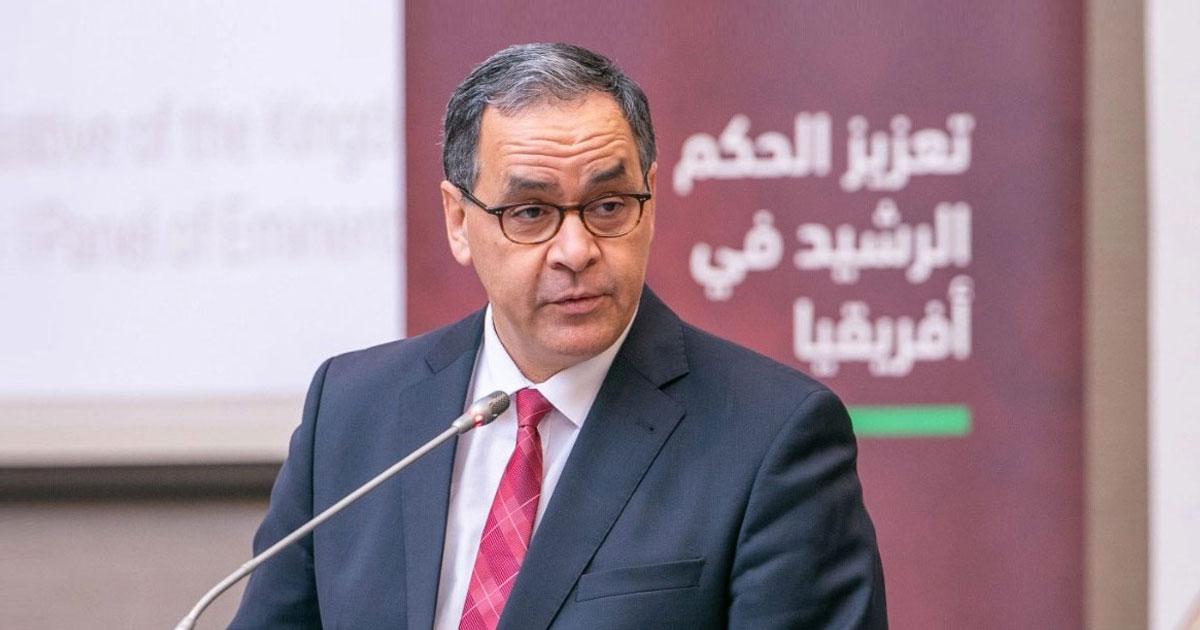
Speaking at the AU session, Morocco’s Permanent Representative to the African Union and the United Nations Economic Commission for Africa, Mohamed Arrouchi, reaffirmed the North African nation’s backing for national reconciliation efforts and inter-Libyan dialogue initiatives. His remarks aimed to strengthen progress and foster consensus among Libyan factions to consolidate stability in the country.
Arrouchi emphasized that the Skhirat Agreement, signed on December 17, 2015, under the auspices of the United Nations, remains a credible framework for achieving a lasting political resolution. He called for preserving Libya’s unity, sovereignty, and territorial integrity as essential prerequisites for sustainable peace.
Highlighting Morocco’s commitment under the leadership of King Mohammed VI, the diplomat expressed appreciation for the African Union’s sustained efforts to promote peace, security, and stability across the continent, particularly in resolving the Libyan conflict through political means.
He also referenced recent meetings held in Tripoli and Zintan, which culminated in a landmark agreement signed on January 7, 2026, between representatives of Libya’s Government of National Unity and the eastern-based government. This accord marked a significant step toward national reconciliation.
Morocco’s diplomatic role in facilitating dialogue among Libyan factions was further highlighted, with Arrouchi noting the trust placed in the Kingdom by all parties. These efforts align with international legality and the principles outlined in the Skhirat Agreement and the Bouznika understandings, aiming to achieve a Libyan-led solution acceptable to all stakeholders. The ambassador stressed the need to prioritize political negotiations over military options to ensure a durable resolution.