The United Nations has publicly commended Togo’s dedication to peace initiatives while reaffirming its backing for the mediation efforts led by Togolese President Faure Essozimna Gnassingbé in the war-torn eastern region of the Democratic Republic of the Congo (DRC).
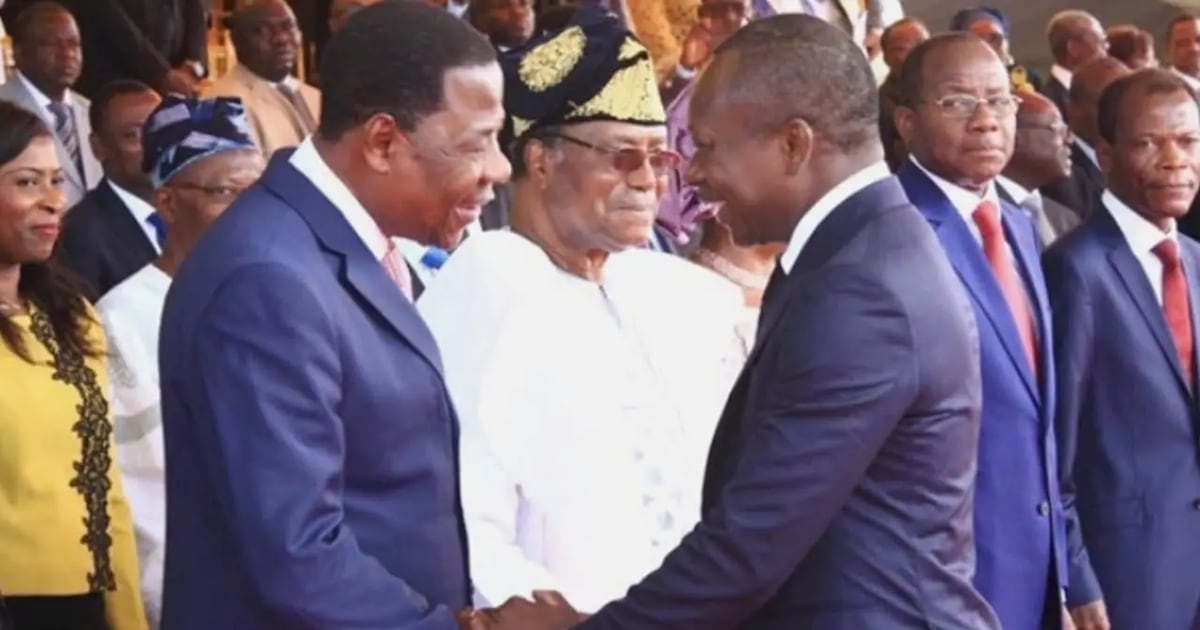
The endorsement came during a high-level meeting in Lomé on June 8, 2026, where senior UN officials engaged with President Gnassingbé, who serves as the African Union’s designated mediator for the crisis in eastern DRC. The gathering marked the mid-year assessment of the African Union’s peace initiatives in the Great Lakes region.
A united front for regional stability
James Swan, Special Representative of the UN Secretary-General in the DRC and head of MONUSCO, alongside Huang Xia, UN Special Envoy for the Great Lakes region, participated in the discussions with President Gnassingbé. The talks focused on evaluating the progress of diplomatic initiatives and exploring ways to enhance UN-AU collaboration in resolving the ongoing conflict.
According to official statements from the Togolese presidency, the UN delegation praised Togo’s proactive role in fostering peace and stability across Africa, emphasizing the need for coordinated international support to achieve lasting solutions in the DRC’s eastern provinces. The statement highlighted Togo’s commitment to peaceful conflict resolution as a cornerstone for regional security.
Challenges persist despite diplomatic momentum
While the meeting underscored growing international recognition of Togo’s mediation efforts, the security and humanitarian situation in eastern DRC continues to deteriorate. The persistent insecurity, fueled by the activities of armed groups such as the M23 rebel faction—allegedly backed by neighboring Rwanda, according to Kinshasa—remains a significant obstacle to peace.
Efforts to implement the Washington Agreement and other peace frameworks have been hampered by deep mistrust among conflicting parties and the lack of political will from some regional actors. The stalled Doha process, which was intended to build on the Montreux negotiations in Switzerland, has also failed to yield tangible results, further complicating mediation efforts.
These challenges were acknowledged during the Lomé consultations, where participants stressed the need for renewed commitment to the agreements and a more effective coordination mechanism to bridge the gap between diplomatic progress and ground realities.
Togo’s strategic role in African mediation
Since assuming the mantle of AU mediator for the DRC crisis in late 2025, replacing Angolan counterpart João Lourenço, President Gnassingbé has intensified diplomatic engagements with international partners. His focus on fostering a unified African response has positioned Togo as a key player in regional peace efforts.
James Swan’s participation in the Lomé meeting marked his first attendance at the AU’s semi-annual peace initiative review, signaling the UN’s growing investment in Togo’s mediation strategy. The meeting also reflected efforts to align international support with African-led solutions, a priority emphasized by both the UN and the AU.
Looking ahead: can diplomacy overcome entrenched conflicts?
As the crisis in eastern DRC enters its fourth year, the international community faces mounting pressure to translate diplomatic commitments into concrete actions. The Lomé gathering highlighted both the progress made in mediation efforts and the persistent obstacles that continue to undermine peace in the region.
With calls for stronger enforcement of peace agreements and greater inclusivity in negotiations growing louder, the role of mediators like President Gnassingbé and international partners remains critical. The next six months will be pivotal in determining whether diplomatic efforts can finally translate into tangible improvements on the ground.