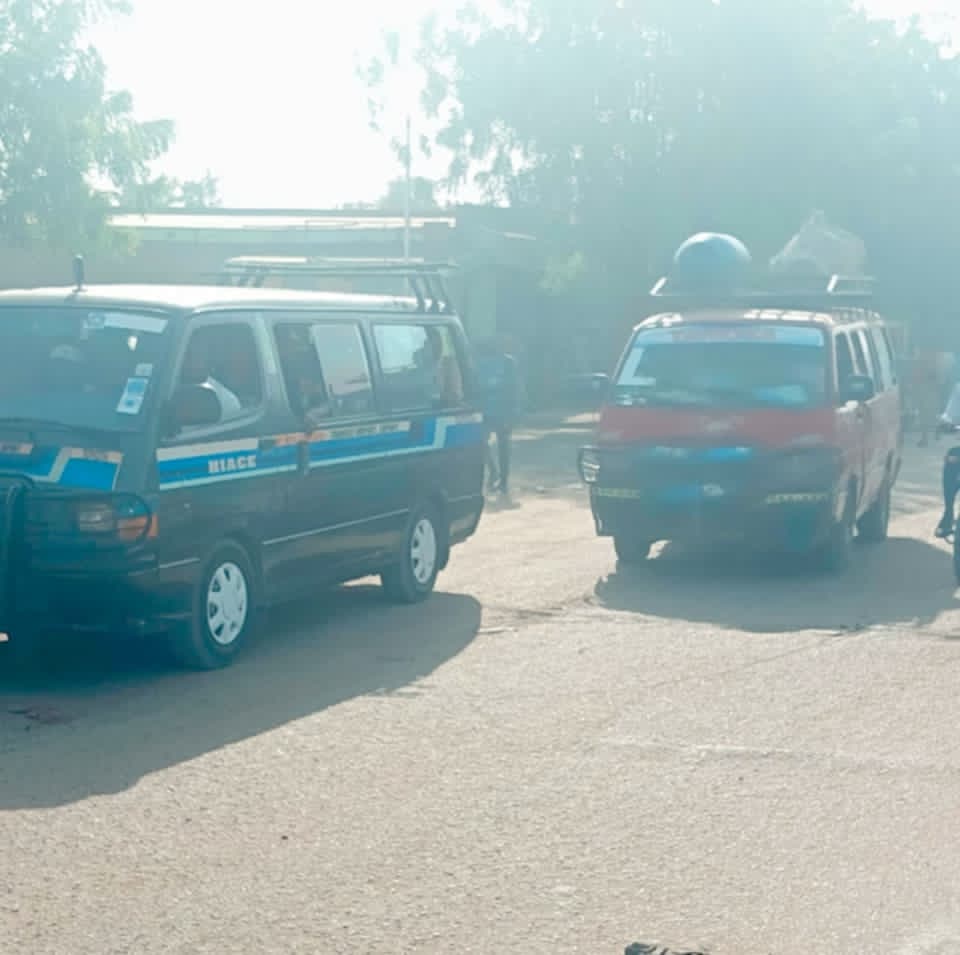
N’Djamena’s minibus chaos demands immediate stop solutions
N’Djamena’s rapid urban expansion has amplified a critical challenge: the unregulated operation of minibuses that dominate the city’s public transport system. Without properly designated stopping points, these shared taxis create daily hazards while disrupting traffic flow across the capital.
Safety concerns mount as informal transport dominates
The absence of structured minibus stops has turned major thoroughfares into impromptu pick-up zones. Drivers frequently halt vehicles in active traffic lanes to collect or drop passengers, forcing pedestrians to navigate through congested roads. This chaotic approach not only slows movement during peak hours but also dramatically increases collision risks for both passengers and other road users.
For the thousands who rely on these minibuses daily, the situation creates a daily gamble with safety. The combination of sudden stops, aggressive lane changes, and crowded boarding procedures has made N’Djamena’s streets increasingly hazardous, particularly in commercial districts where demand peaks.
Urban planners propose structured stop solutions
Transportation experts advocate for a systematic approach by establishing designated minibus stops at regular intervals—approximately 150 to 200 meters apart, adjusted for neighborhood density. These well-marked zones would:
- Improve traffic flow by eliminating erratic stopping patterns
- Enhance passenger safety with dedicated boarding areas away from moving traffic
- Reduce dangerous driving behaviors linked to improvised stops
- Create order in a currently unpredictable system
Learning from African urban mobility models
Similar challenges faced by other growing African capitals demonstrate that structured stops can transform public transport efficiency. Cities that implemented these solutions saw marked improvements in road discipline and commuter experience. N’Djamena stands at a crossroads where proactive urban planning could prevent future mobility crises.
Collaborative action needed for sustainable change
Addressing this issue requires coordinated efforts between municipal authorities, transport officials, and informal sector operators who manage the minibus networks. Practical first steps could include:
- Installing clear signage at proposed stop locations
- Adding basic shelters to protect waiting passengers from weather
- Launching driver education campaigns about safe stopping protocols
- Engaging community leaders to identify optimal stop placements
The transformation extends beyond physical infrastructure. It represents a shift toward modern, organized urban mobility that prioritizes both efficiency and safety. With N’Djamena’s population and vehicle numbers climbing steadily, delaying these improvements will only compound tomorrow’s transportation challenges.
Structured minibus stops aren’t just about convenience—they’re about reclaiming N’Djamena’s streets as safe, functional spaces for all who call this dynamic capital home.