In the heart of N’Djamena, the crushing weight of unemployment is driving a generation to seek survival in the most taxing of trades. At the Emtoukoui market, located in the capital’s 7th arrondissement, dozens of young men have turned to the sand business as their primary source of income. This back-breaking labor, performed far from the comfort of office desks, has become a vital necessity for those struggling to afford basic meals.
A landscape of economic struggle
Recent macroeconomic forecasts for Chad suggest a grim reality, with poverty rates expected to climb to 45.4%. This statistic translates to approximately 9.5 million citizens living in extreme precariousness. In N’Djamena, this crisis is visible on every street corner.
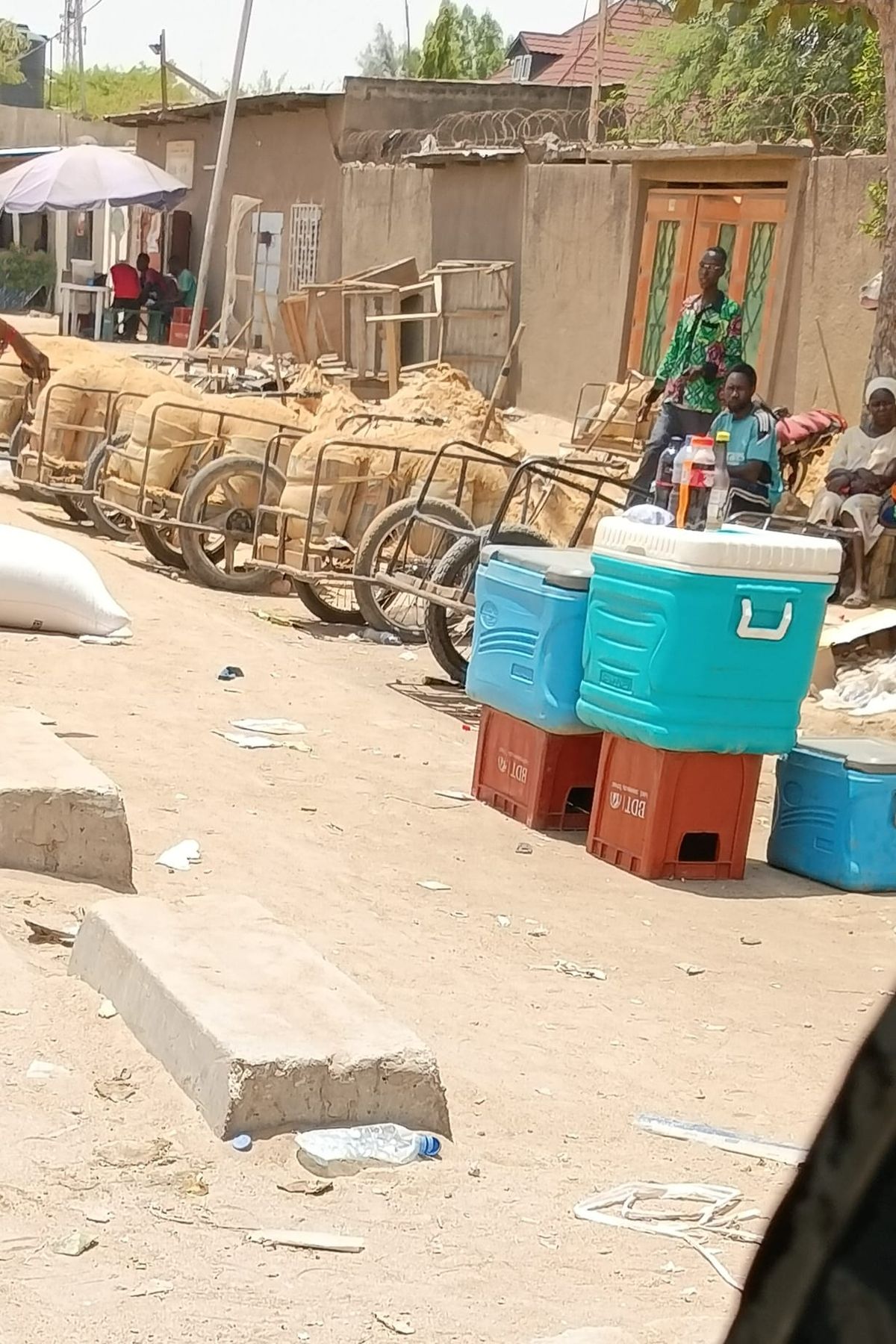
Under a scorching sun along the paved roads of Emtoukoui, the scene is constant. Rows of heavily laden “porte-tout” carts line the roadside, their owners waiting anxiously for a potential customer. The faces of these workers are etched with exhaustion and a palpable sense of discouragement. This is not traditional commerce; it is a raw struggle for survival centered around the transport of sand.
The statistics of a crisis
National data highlights the severity of the situation. In Chad, the unemployment rate for youth aged 15 to 24 has reached 30.3%. For the broader 15 to 30 age bracket, the figure sits around 22%, while the number of unemployed graduates has surged past 60%. These figures explain why so many have no choice but to rely on their physical strength to earn a living.
Survival at the cost of physical health
For these young men, many of whom have been shut out of the formal job market, sand represents the only accessible resource. The work is grueling and repetitive: sand is packed into 50kg bags and moved manually or via handcarts. They navigate the city’s neighborhoods, offering their strength to anyone willing to pay.
“We don’t do this because we want to, but because we have to,” explains one worker, his eyes reflecting the toll of a long day. “Survival requires action, no matter how hard the work is.” Most of these individuals had their education cut short and now find themselves trapped in this physically demanding cycle.
An economy built on grit
The financial rewards for such intense labor are minimal and unpredictable. Depending on the distance traveled and the client’s willingness to negotiate, a single delivery typically earns between 2,000 and 5,000 CFA francs. It is a meager sum when compared to the sheer physical exhaustion required.
This reality serves as a stark reminder of the challenges facing N’Djamena’s youth. With few formal opportunities available, the informal sector has become the final safety net. These workers are the invisible backbone of the capital’s growth, their labor often going unnoticed by the public. In Emtoukoui, they are not looking for handouts; they are searching for a fair chance at a future. Until then, they remain by their carts, waiting for the next job under the weight of an uncertain tomorrow.