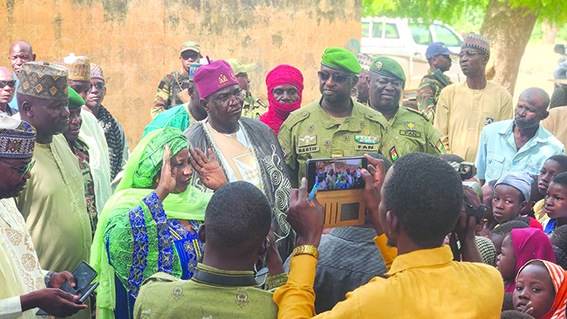
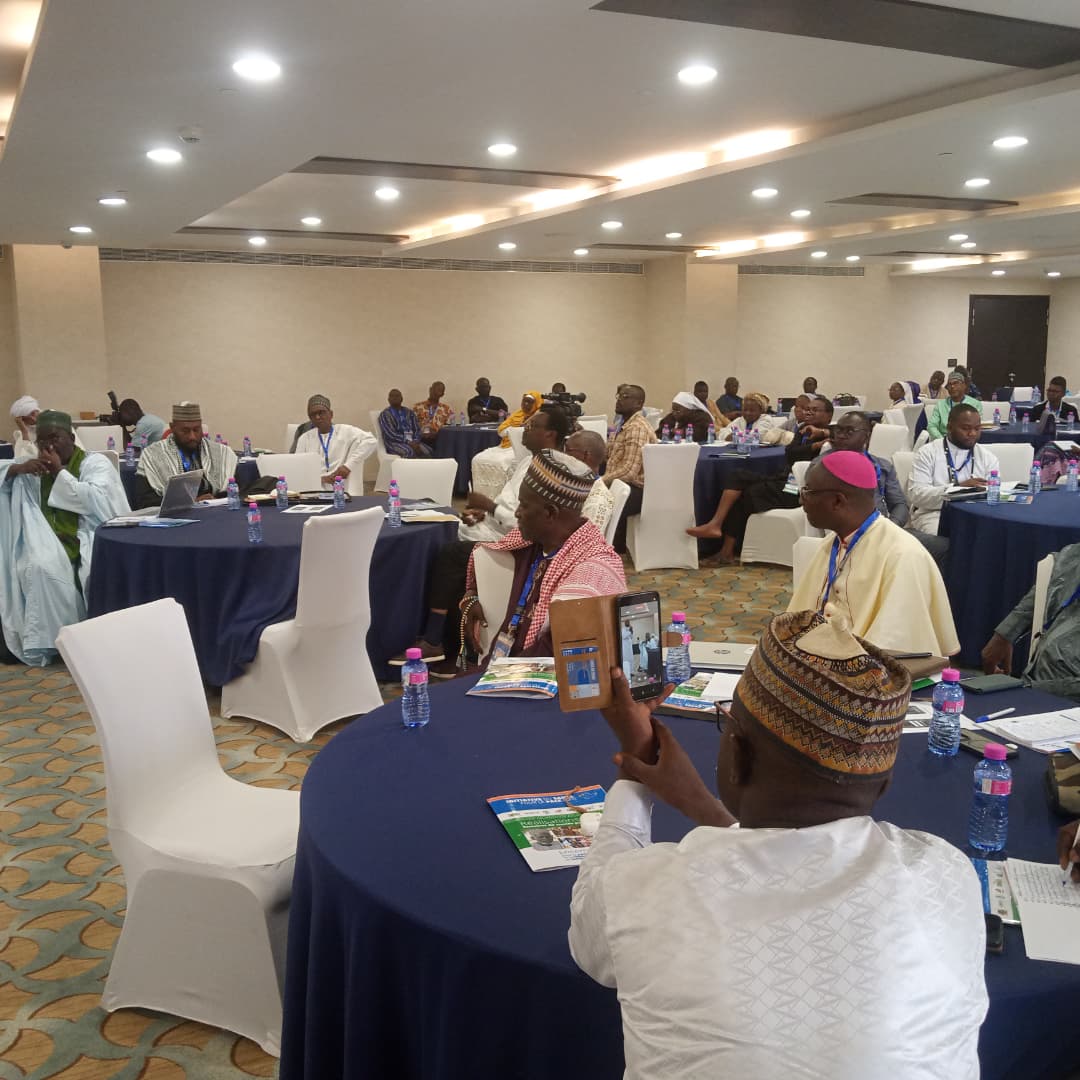
As Niger grapples with escalating insecurity and terrorist threats across multiple regions, a groundswell of stakeholders is rallying behind inclusive dialogue as the cornerstone of a lasting resolution. The first national forum of the Sahel Peace Initiative (SPI), held in Niamey on June 23-24, 2026, marked a pivotal step toward forging a solidarity pact rooted in citizen engagement and collective responsibility. Leaders from affected communities, religious figures, security experts, and civil society representatives converged to exchange perspectives on fostering peaceful coexistence, social cohesion, and national prosperity.
voices from the frontlines: hope amid hardship
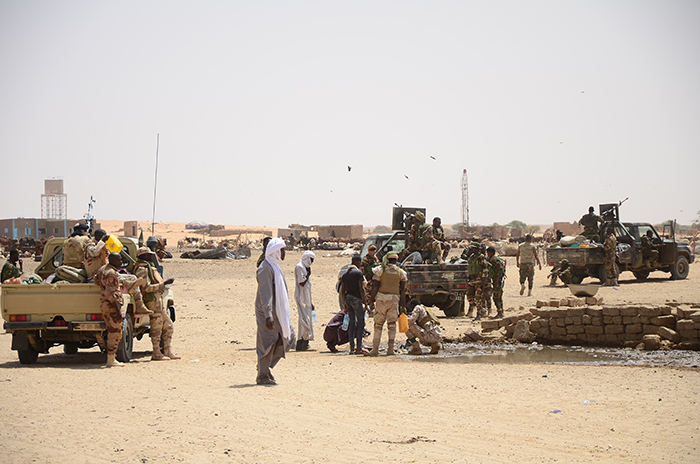
Security remains a critical challenge in Niger’s most vulnerable regions, where communities face daily threats. While state authorities have made significant strides in restoring stability, local populations in areas like Tera, Makolondi, and Torodi continue to endure severe hardships. The presence of defense and security forces through regular patrols is widely acknowledged as a lifeline, enabling residents to carry out essential activities and move safely within their localities.
Seydou Hamidou, a youth leader from the rural commune of Makalondi in Torodi, shared harrowing accounts of life under threat. Without robust security, young people in his community face grave risks, including forced recruitment by armed groups, school dropout, and unemployment. “The absence of security forces forces our youth to flee the country in search of safety. We can’t work or farm because bandits block our access. Cattle theft, forced displacement, and illegal taxation have become part of our daily struggle,” he revealed during the Niamey forum.
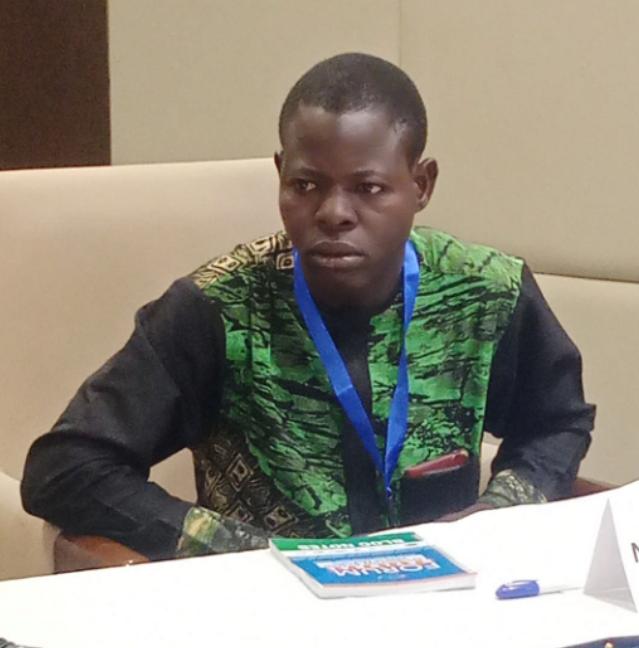
Victor Harouna, a resident of Téra, echoed these concerns while highlighting the financial burden imposed by insecurity. Transportation costs have skyrocketed—routes that once cost 3,000 CFA francs now demand up to 15,000, he explained, while crops are routinely sabotaged. “Displacement was widespread, but thanks to the military’s relentless efforts, many have returned home. Still, daily life remains increasingly difficult,” he noted.
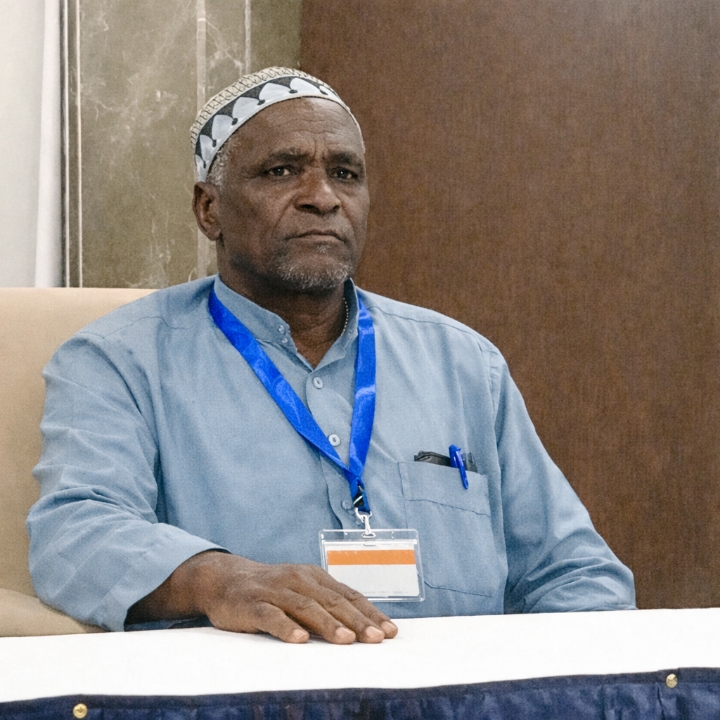
For women, the impact is equally devastating. Amina, a resident of Torodi, recounted how women once thrived in income-generating activities before insecurity disrupted their lives. “Today, mothers worry about children out of school, widows struggle to survive, and displaced families find it hard to meet basic needs,” she shared, urging authorities to bolster military presence for protection.
state-led resilience: restoring stability in high-risk zones
Prefect Boureima Dobi of Torodi underscored the government’s commitment to reintegrating displaced populations. Thanks to coordinated efforts by defense forces, over 800 families have returned to their homes in Makalondi, with plans underway for a second wave of reintegration. “The State is not idle—we continuously advocate for resources to ensure our citizens’ well-being,” he confirmed.
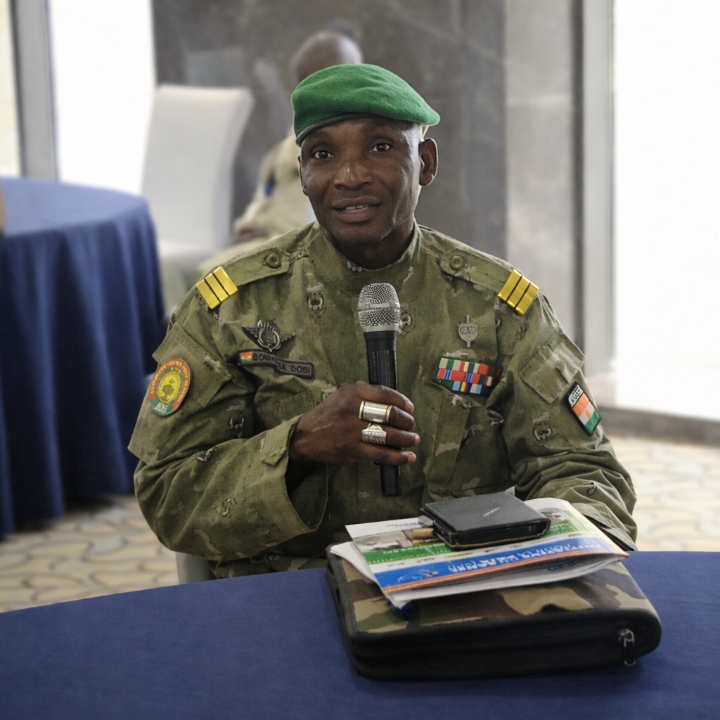
Dobi also emphasized the need for collective vigilance, noting that local complicity often complicates efforts to identify and neutralize threats. He cited recent cases of former militants laying down arms and reintegrating into society, attributing progress to sustained sensitization campaigns. “Patriotism must be nurtured in every citizen,” he affirmed.
Since the establishment of the National Council for the Safeguard of the Homeland (CNSP), Niger has prioritized security, peace, and national cohesion through homegrown solutions. The High Authority for Peace Consolidation (HACP), reporting directly to the President’s office, leads initiatives to strengthen unity, prevent conflicts, and enhance community resilience through dialogue and local development projects.
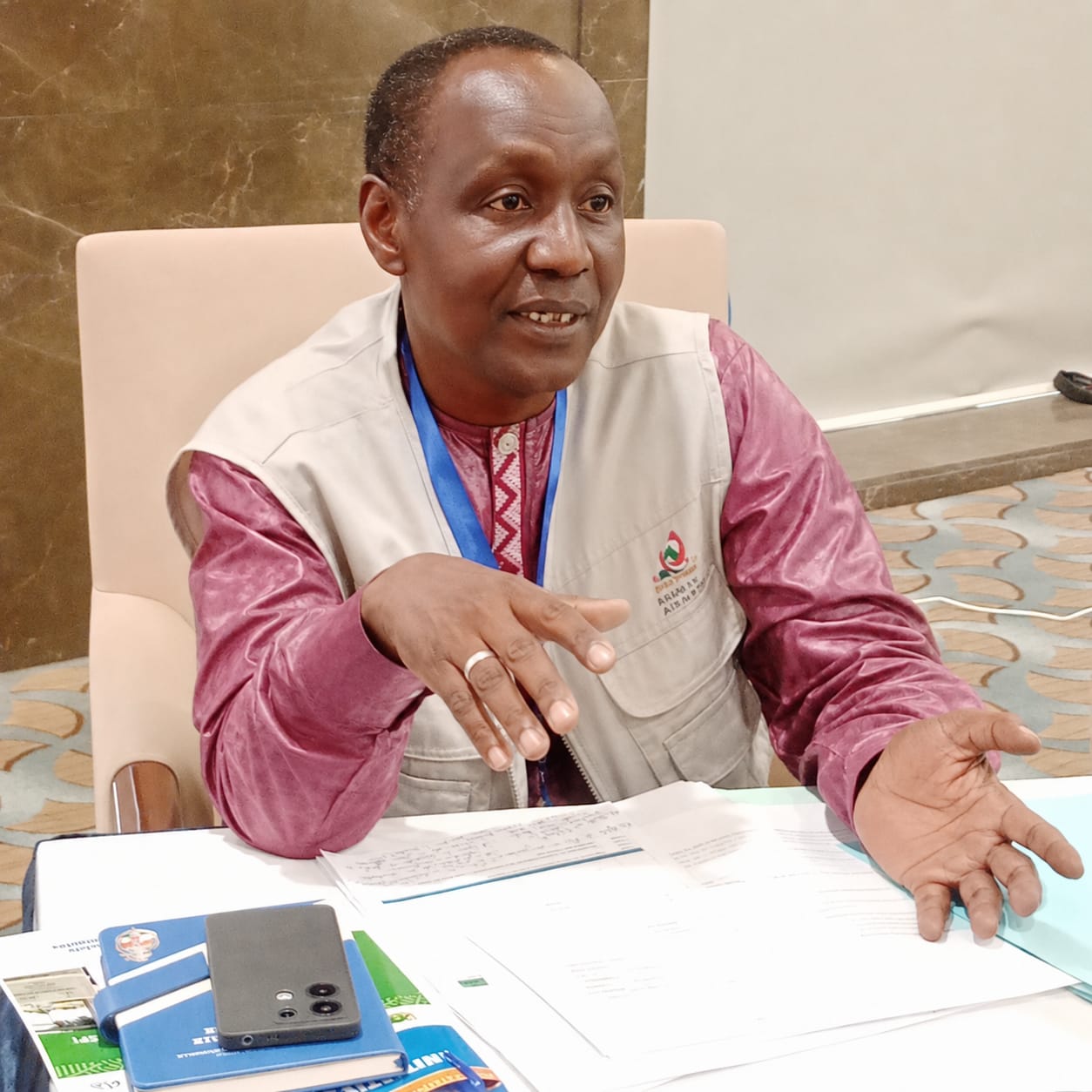
Boubacar Hamidou, HACP’s Director of Recovery and Stabilization, highlighted the authority’s focus on empowering community leaders, youth, and women through conflict prevention training and local capacity-building. “Our mission is to restore trust between citizens and institutions,” he stated, adding that collaboration with municipal councils ensures development aligns with community needs.
the Sahel peace initiative: a blueprint for community resilience
Launched in 2019 under the aegis of West African Episcopal Conferences and partners like the CJP Burkina, the Sahel Peace Initiative (SPI) is a sub-regional network dedicated to fostering social cohesion and community resilience in the face of insecurity. Active in Niger, Mali, and Burkina Faso, the initiative brings together Christian and Muslim communities to promote interfaith dialogue, peace education, and youth entrepreneurship as pillars of stability.
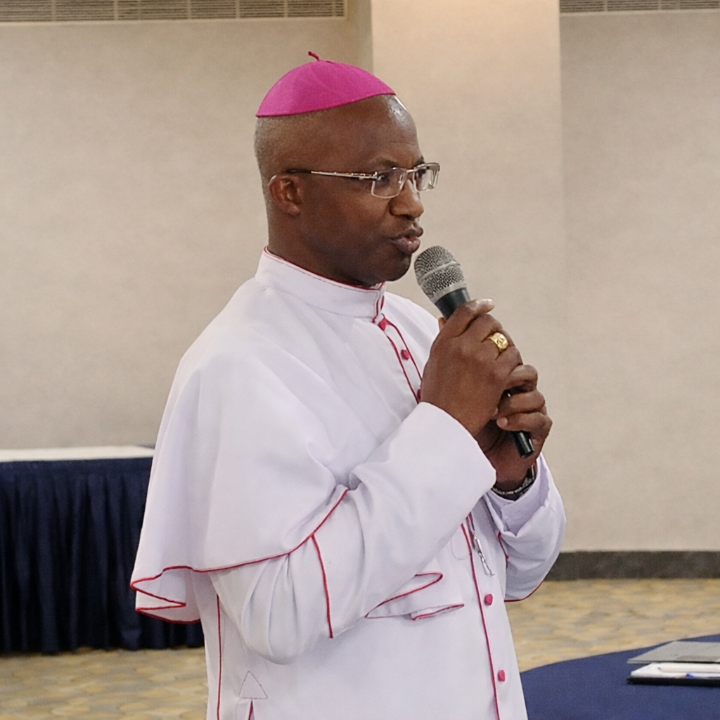
During the Niamey forum, Archbishop Laurent Lompo, SPI’s working group president, called for sustained dialogue through community and intergenerational gatherings. “Peace thrives when women, men, and youth unite to address security challenges,” he urged.
SPI’s roadmap includes capacity-building for peace actors, peace education, citizen leadership, digital innovation for peace, psychosocial support, and national mobilization campaigns. The June 2026 Niamey forum culminated in actionable recommendations to strengthen social cohesion and national stability.
religious leaders take the lead in countering extremism
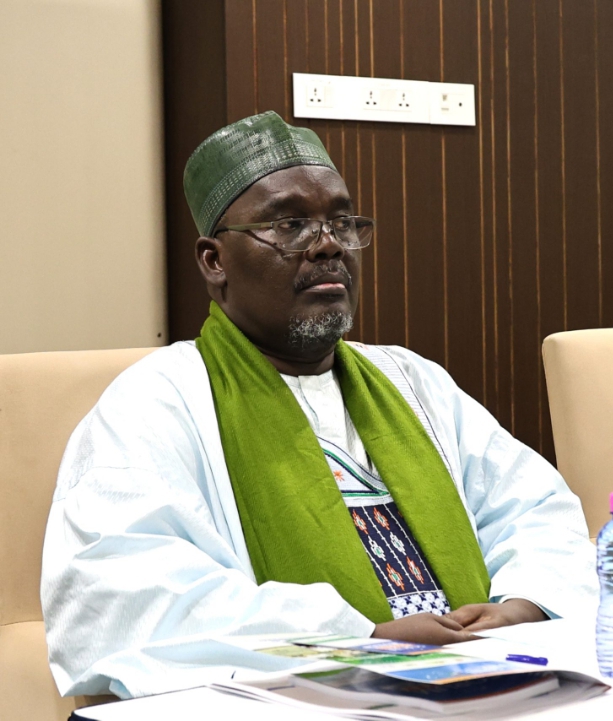
Religion plays a pivotal role in Niger’s security landscape, where extremist groups often exploit faith to justify violence. Recognizing this, the National Committee for Intra- and Interreligious Dialogue (CDIR) emerged to counter hatred and promote coexistence rooted in shared values. Originally formed in Diffa to address Boko Haram’s threats, the CDIR has expanded nationwide.
CDIR Coordinator Cheikh Barham Aboubacar emphasized the committee’s role in dismantling hate speech and religious tensions that fuel insecurity. Through decentralized peace committees and local cells, the initiative addresses intercommunal and land disputes exacerbated by misinterpreted religious narratives. “Dialogue clarifies misconceptions, fosters mutual understanding, and prevents violence,” he stressed. The CDIR also collaborates with the CNSP to uphold national unity amid sociopolitical challenges.
community media: the frontline against misinformation
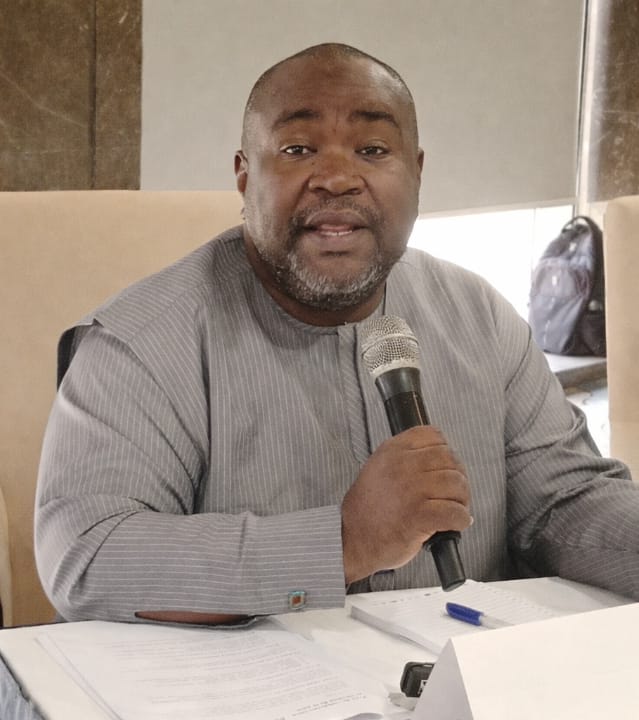
In times of crisis, accurate information is a vital tool for countering disinformation and fostering unity. Community media outlets—including local radio stations and digital platforms—play a crucial role in educating the public and amplifying voices from affected areas. Alhassane Mahamane, Editor-in-Chief at Studio Kalangou, emphasized their unique value. “Community radios are non-profit platforms that address local priorities and empower citizens to share their concerns,” he explained.
women as architects of peace and stability
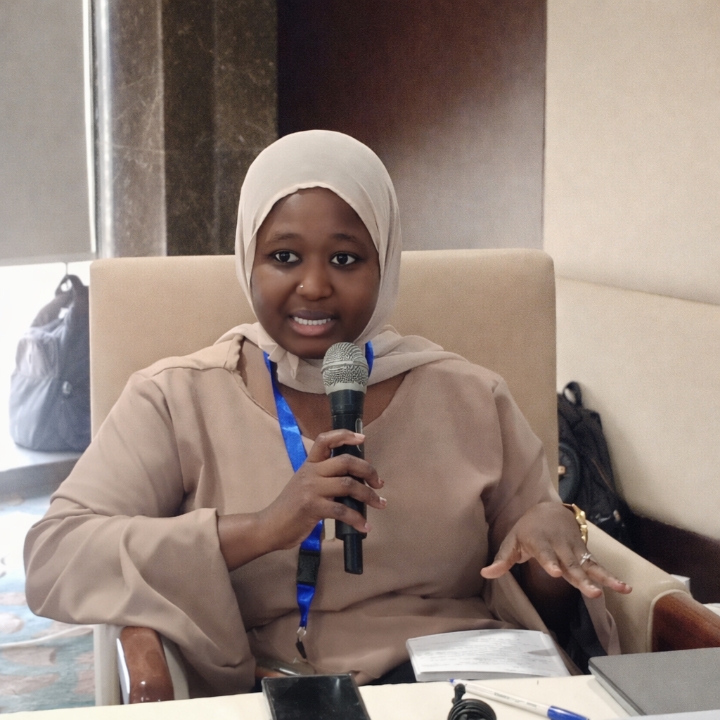
Women are increasingly recognized as key drivers of peace and development. Amina Boukary, Partnership Coordinator for the NGO Femmes, Actions et Développement (FAD), highlighted their growing networks and initiatives in income generation, education, and social cohesion. To fully realize their potential, she stressed the need for capacity-building, girls’ education, and representation in local decision-making bodies. “Women constitute half the population—ignoring their needs undermines peace efforts,” she insisted.
Ultimately, sustainable peace demands the collective commitment of all Nigeriens, uniting behind shared goals of resilience, stability, and social harmony.