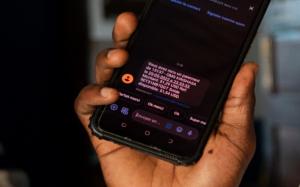
During the April 2026 National Polio Vaccination Days in Niamey, Niger implemented a groundbreaking digital payment system for health workers and community volunteers, supported by the World Health Organization (WHO). This initiative replaced traditional cash payments by digitally compensating over 1,200 frontline responders through mobile transactions.
The new system achieved remarkable efficiency, with 99% of payments processed within 48 hours of campaign completion. Beyond speed, the digital approach enhanced transaction transparency, minimized delays, and eliminated logistical hurdles tied to cash handling. Early challenges—such as data accuracy and digital tool adoption—were swiftly addressed through targeted training and technical assistance from WHO Niger.
This success stems from a meticulous preparatory phase. From September 29 to October 3, 2025, WHO Niger convened a capacity-building workshop in Niamey, equipping national and local vaccination stakeholders with digital payment expertise. Hosted by WHO Africa Regional Office experts, the training helped the Ministry of Public Health and Hygiene design and implement Niger’s future national digital payment ecosystem.
Why digital payments matter for public health campaigns:
- Speed and reliability: Instantaneous transfers eliminate delays and reduce operational bottlenecks.
- Transparency: Every transaction is traceable, ensuring accountability and minimizing fraud risks.
- Motivation boost: Timely compensation empowers health workers, improving morale and performance.
- Scalability: The Niamey model is designed for national expansion, with potential applications across other health programs.
With these achievements, Niger’s digital vaccination payment system sets a new standard for public health interventions in West Africa. The initiative underscores WHO Niger’s commitment to measurable, on-ground results that strengthen health systems and save lives.