Ex-Nigerien inspector arrested after explosive TV claims about regional destabilization
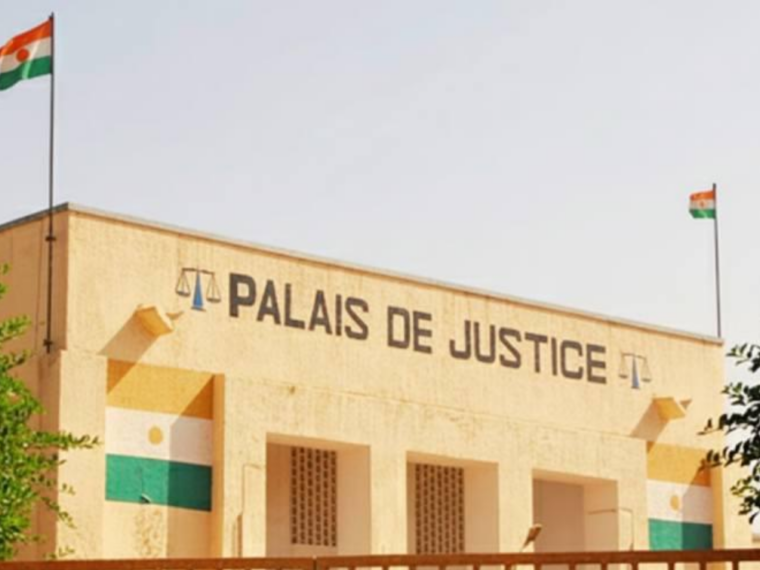
Niger’s judicial system has taken a dramatic turn with the detention of former police inspector Habibou Oumarou Mamane and ten associates. The move follows explosive televised testimony in which Mamane accused foreign-linked networks of plotting to undermine Niger’s stability—with alleged ties to Benin’s intelligence services. Authorities in Niamey acted swiftly, placing all eleven individuals under provisional detention pending further investigation.
Televised accusations spark regional scrutiny
On October 23, 2026, Mamane appeared on Niger’s state broadcaster, RTN, to detail what he described as covert operations aimed at destabilizing the country. Central to his claims were assertions of communications with individuals he claimed were connected to Benin’s intelligence apparatus. Among the most striking revelations was the alleged attempt to locate Beninese military officer Pascal Tigri, a figure mentioned in connection with cross-border security concerns.
The former inspector further alleged that Nigerien expatriates had been involved in discussions that could indicate preparations for anti-government actions within Niger. While these statements have ignited widespread debate, they remain uncorroborated and have not been validated as official facts.
Benin’s shadow in the controversy
The inclusion of Benin in Mamane’s testimony has intensified diplomatic friction between Niamey and Cotonou. His declarations suggest possible operational links between alleged destabilization networks and individuals presented as connected to Benin’s intelligence community. This angle has amplified tensions in a relationship already strained by mutual accusations of cross-border interference.
Despite the gravity of the claims, no concrete evidence has emerged to confirm institutional involvement from Benin. Authorities in Cotonou have yet to respond officially, leaving the international implications of the case unresolved.
A named figure disputes the narrative
Among those publicly implicated is Ange Chekaraou, whose name surfaced in Mamane’s televised statements. Chekaraou has categorically denied any association with the alleged activities outlined in the testimony. His rebuttal underscores the contested nature of the accusations and highlights the need for caution before drawing conclusions.
The absence of verified evidence means the accusations against Chekaraou—and others mentioned—remain allegations rather than established facts. Until judicial investigations produce verifiable findings, the presumption of innocence applies to all individuals involved, including those detained.
Eleven detainees, but many unanswered questions
The provisional detention of Habibou Oumarou Mamane and his ten co-defendants marks a pivotal moment in the legal process. While this step signals serious judicial engagement, it does not constitute a verdict. Prosecutors have yet to disclose the exact charges, and the evidentiary basis for the accusations remains unclear.
Key unresolved issues include:
- What specific allegations are being investigated against the eleven detainees?
- Are Mamane’s statements supported by independent corroboration?
- Do any documented links exist between the accused and the suspected destabilization efforts?
The answers to these questions will determine whether this case evolves into a concrete legal dispute or remains a contentious episode of unproven claims.
Diplomatic stakes rise as case unfolds
The arrest of the former inspector has cast a spotlight not only on Niger’s judicial proceedings but also on the delicate relationship with Benin. The accusations—denials included—have intensified a climate of mistrust between the two nations, with implications for regional security dynamics.
As investigations proceed, the case remains a flashpoint for speculation and concern. Until definitive evidence emerges, observers are cautioned against conflating public testimony with verified intelligence. The next phases of the legal process will be critical in separating fact from conjecture and determining the true extent of any transnational threats.
For now, the story remains one of unresolved allegations, judicial action, and the delicate balance between national security imperatives and diplomatic sensitivities in the Sahel.