From self-sufficiency to emergency imports: Niger’s fuel paradox exposed
The arrival of 53 Algerian fuel tankers in Agadez on November 1, 2026, marked a stark reversal in Niger’s energy narrative. Welcomed with official fanfare by Petroleum Minister, SONIDEP officials, and regional leaders, the convoy delivered 1.65 million liters of gasoline—yet this “victory” of regional cooperation masks deeper systemic failures. How did Niger, a nation with an operational refinery producing over a million liters of gasoline daily, find itself importing fuel from Algeria to meet domestic demand?
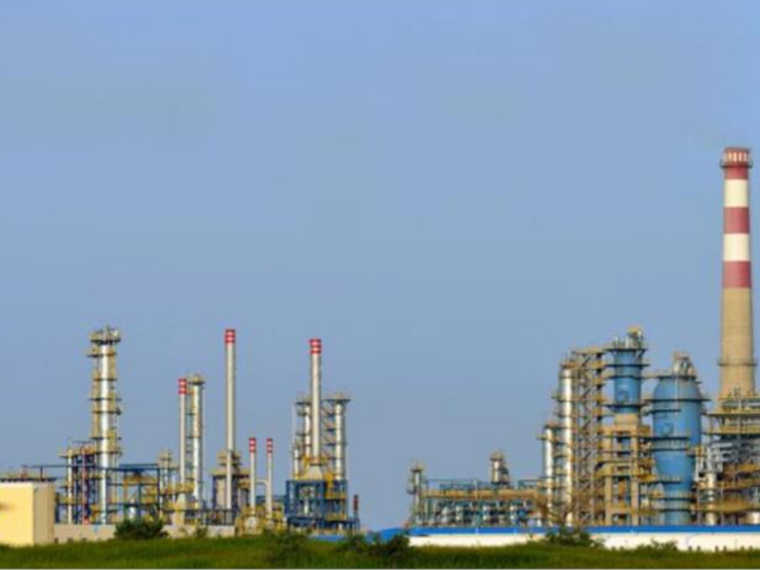
The paradox deepens when examining production data. The Zinder refinery (SORAZ) reported producing 365.95 million liters of gasoline in 2023, with 328.25 million liters delivered to SONIDEP and 37.69 million exported. By 2024, total production dropped slightly to 345.34 million liters, but exports vanished entirely—all output was redirected to domestic supply. The pattern continued into early 2025, with zero surplus recorded.
Governance gaps and financial red flags
SONIDEP, Niger’s state-owned petroleum distributor, faces severe financial strain. Reports indicate accumulated debt exceeding 418 billion West African CFA francs. Key questions remain unanswered: Are fuel sales fully collected? Are receivables from distributors under control? How much revenue actually reaches the company’s coffers? Without audited financial transparency, Nigerians have no way to assess the true scale of mismanagement.
Strategic reserves: sacrificed for liquidity?
Whispers within the oil sector suggest SONIDEP may have liquidated strategic stocks to address cash-flow shortages. Such practices risk undermining both refinery maintenance schedules and national energy security. A country cannot claim sovereignty if its precautionary reserves are depleted without a credible replenishment mechanism. The physical stock movements, pricing agreements, and beneficiary contracts behind these transactions require independent verification.
Systemic failure: why domestic refining falls short
Niger’s dilemma stems from multiple failures. First, the collapse of informal fuel supply chains from Nigeria—once a major source of cheap, unregulated gasoline. Nigerian subsidy cuts and strengthened border controls eliminated this loophole, exposing Niger’s formal sector’s inability to meet demand. SONIDEP’s own data indicates it receives only 25 tankers daily from SORAZ, despite national needs estimated at 50.
Second, efforts to support neighboring Mali through fuel convoys—while logistically and politically justified—further strained already tight domestic reserves. The government sanctioned transporters who refused to participate, raising concerns about whether strategic stock assessments were conducted before dispatching resources abroad.
Policy contradictions and transparency deficits
In October 2026, Niger banned gasoline and diesel exports to prioritize domestic supply, followed by emergency stock audits and delivery controls. Yet the 1.65 million liters from Algeria arrived amid ongoing shortages, highlighting a reactive rather than preventive policy approach. The core issue is systemic: without independent oversight of SORAZ, SONIDEP, regional depots, and distributors, accountability remains elusive.
What’s driving the crisis? Structural and financial pressures
- Production shortfalls: SORAZ’s output has not kept pace with growing domestic demand.
- Export delays: Revenue from previous exports is not being reinvested into maintenance or stockpiles.
- Revenue leakage: Unverified trade receivables and underreported sales erode financial resilience.
- Regional shifts: Formal supply chains remain insufficient after informal routes closed.
The way forward: audit, replenish, regulate
To restore energy sovereignty, Niger must implement an independent audit of its petroleum sector. Key issues to resolve include:
- Reconciling past export earnings with current reserve levels
- Assessing SONIDEP’s true debt and cash flow management
- Verifying whether Algeria’s fuel imports were purchased at fair market rates
- Restoring SORAZ’s maintenance reserve funds
The arrival of Algerian fuel tanks is not the problem—it’s a symptom of a much larger governance failure. Niger produces oil, runs a refinery, and has decades of experience in fuel marketing. Yet in 2026, it must stage a public welcome for foreign tankers to keep the lights on. That is not energy independence—it’s a failure to manage resources wisely.
Until the government provides verifiable answers about stock levels, financial flows, and policy choices, the real scandal isn’t importing fuel—it’s not knowing why Niger, a fuel-producing nation, can’t secure its own supply.