
In Senegal’s political landscape, two influential groups—Pastef and the Alliance pour la République (APR)—have set aside historical differences to present a united front against the growing trend of political transhumance. This shift signals a strategic realignment as the country navigates evolving electoral dynamics.
Political transhumance, the practice of elected officials switching parties for personal or strategic gains, has long been a contentious issue in Senegal. Critics argue it undermines democratic principles by destabilizing governance and fostering instability. The alliance between Pastef and the APR underscores a growing consensus that such practices must be curbed to preserve the integrity of Senegal’s political system.
Why this alliance matters
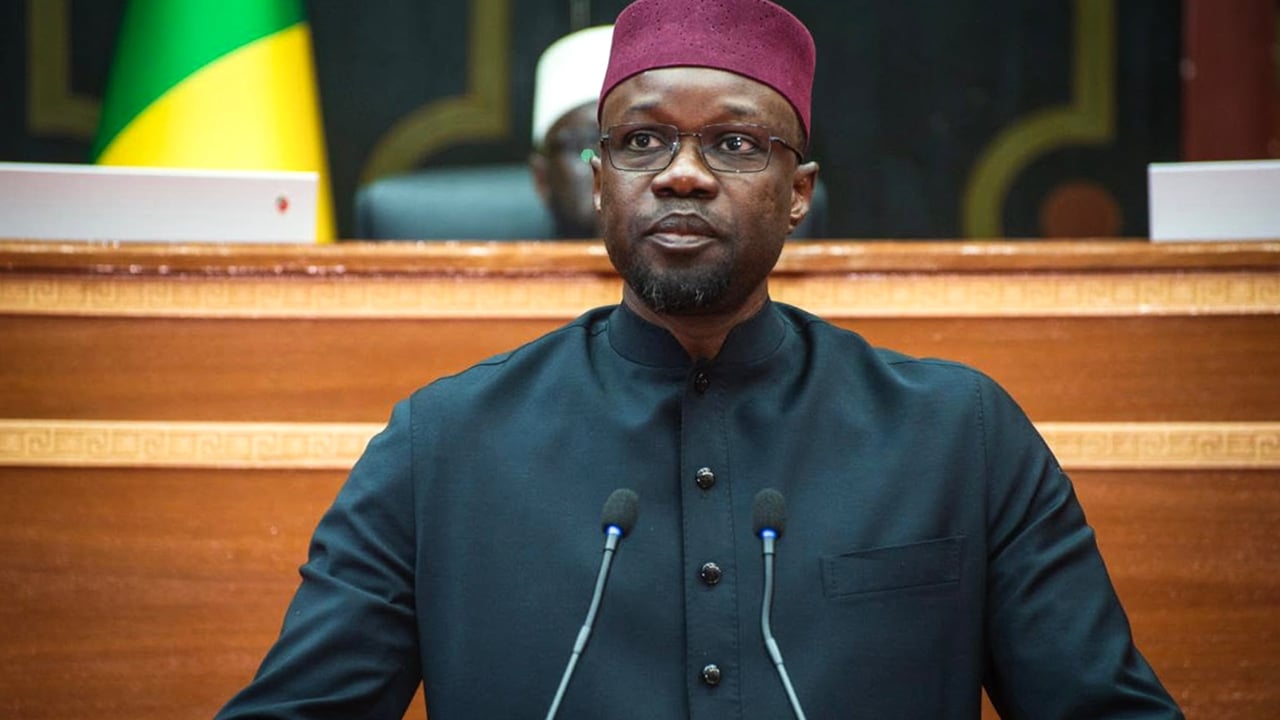
The collaboration between Pastef, led by Ousmane Sonko, and the APR, founded by former President Macky Sall, reflects a rare convergence of interests. Both groups have historically represented opposing factions, yet their current cooperation highlights a shared commitment to addressing the challenges posed by political transhumance. This alliance could reshape the political narrative ahead of upcoming elections, signaling a potential shift in voter expectations and party strategies.
The move comes as Senegal grapples with increasing public scrutiny over the conduct of its political class. With Bassirou Diomaye Faye, a prominent figure in Pastef, gaining prominence, the partnership with the APR suggests a broader effort to consolidate support among diverse political bases. Observers note that this collaboration may serve as a model for other parties seeking to address systemic issues in Senegal’s political environment.
Challenges and expectations
While the alliance between Pastef and the APR is a significant development, it faces scrutiny from both supporters and critics. Supporters view it as a bold step toward reform, while opponents question its long-term sustainability and potential to alienate other political players. The success of this partnership will depend on its ability to translate shared rhetoric into concrete actions that resonate with the Senegalese public.
As Senegal prepares for critical political moments, the collaboration between these two groups could set a precedent for future alliances. The focus on combating political transhumance may also spark broader discussions about electoral integrity and governance in the country. Whether this alliance will endure or remain a temporary alliance of convenience remains to be seen, but its impact on Senegal’s political future is undeniable.