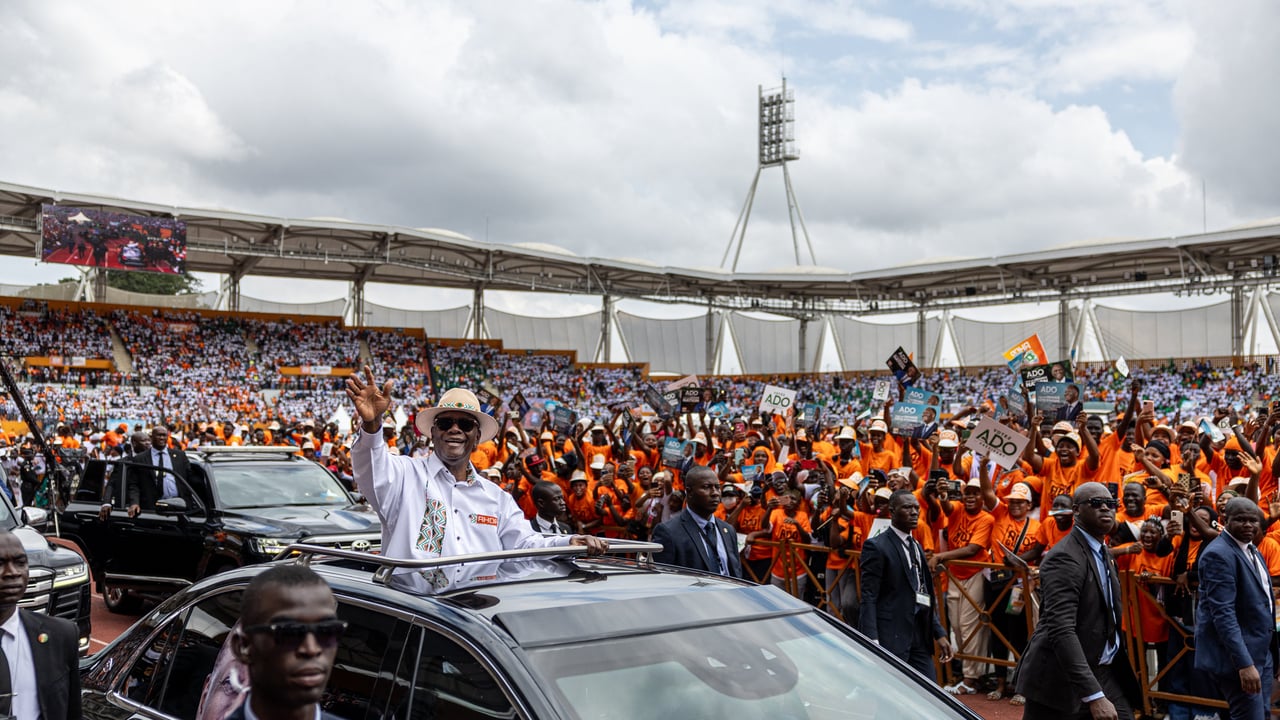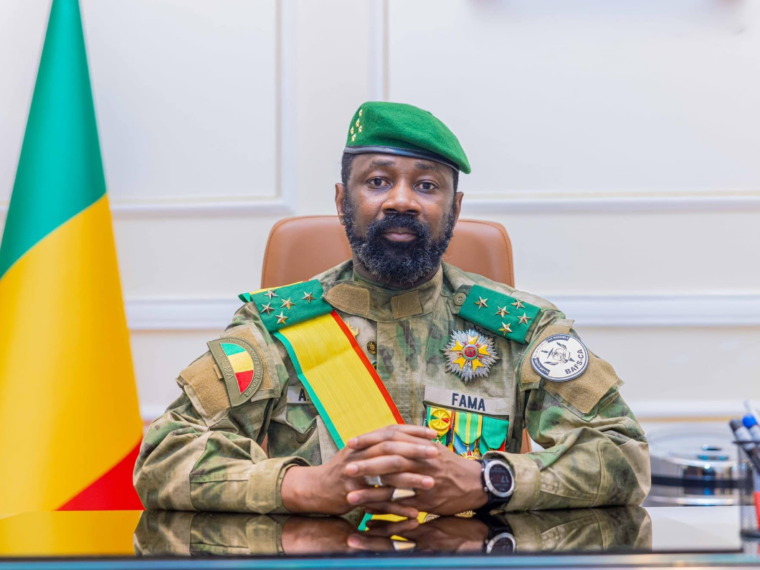
General Assimi Goïta, Mali’s president, arrived in Ouagadougou on November 5, 2026, for an official working visit hosted by his Burkinabè counterpart, Captain Ibrahim Traoré. Although the meeting underscores the strong bilateral ties between Bamako and Ouagadougou, the conspicuous absence of Niger’s head of state, Abdourahamane Tiani, has raised fresh questions about the cohesion of the Sahel States Confederation (AES).
Bilateral meeting overshadows alliance-wide ambitions
The visit follows a formal announcement by Burkina Faso’s State Protocol Directorate confirming the one-day engagement focused on friendship and collaboration. Yet while the agenda centers on Mali-Burkina Faso relations, the missing third partner—Niger—has shifted focus to the broader health of the AES.
Founded in September 2023 and elevated to a confederation in July 2024, the alliance was designed to pool resources against shared threats in security, governance and economic resilience. The surprise exclusion of Niamey, however, suggests that strategic synchronization may be fraying at the top.
No official snub, but missing signals matter
Government sources emphasize that no statement has been issued to indicate Niger’s deliberate exclusion. Security analysts note that the AES still operates through ministerial committees, including an October 16, 2026 gathering of foreign ministers in Ouagadougou, where routine policy alignment was renewed.
Yet symbolic absences can still reverberate. When two of the confederation’s three heads of state gather without the third, observers immediately question whether the bloc is drifting toward bilateralism at the expense of trilateral decision-making.
Diplomatic optics vs. practical cooperation
On the surface, the visit strengthens Mali-Burkina Faso bonds, which have grown in military exchanges and counter-terrorism planning. Behind the scenes, however, the missing chair at the table highlights a growing challenge: maintaining regular, high-level coordination across all three capitals.
Security and sovereignty still unite the bloc
Despite the diplomatic optics, the AES countries continue to confront identical insurgent threats along their shared borders. Joint border patrols, intelligence sharing and pooled procurement remain core objectives that require trilateral participation.
The November 5 talks are expected to firm up bilateral agreements on logistics and training, yet their spillover into confederation-wide strategy will depend on whether Niamey is formally briefed and invited into subsequent deliberations.
Future of the Sahel Confederation hinges on trilateral discipline
If the AES is to mature from a series of bilateral arrangements into a unified strategic bloc, its leaders must demonstrate consistent attendance at continental forums. Today’s absence does not spell the end of the alliance, but it does underline a risk: that individual national priorities could erode the collective vision that originally bound the three states together.
The Burkinabè presidential palace has signaled that post-visit statements will be shared with Niamey; how swiftly and substantively Niger responds will determine whether this moment becomes an inflection point—or merely another missed appointment in the Sahel’s long road to stability.